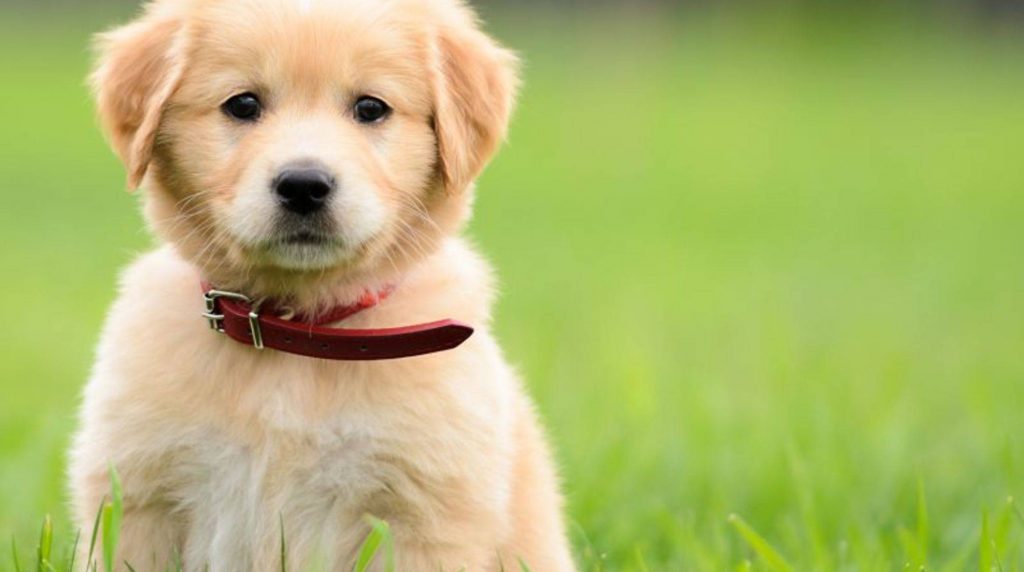
Getting puppies used to a dog collar: Tips
Getting a puppy used to a dog collar is essential for dog training. Some young animals already know the collar from their breeder. If this is not the case, the new owner’s job is to get the puppy ready for its first leash walk with a few tips and tricks.
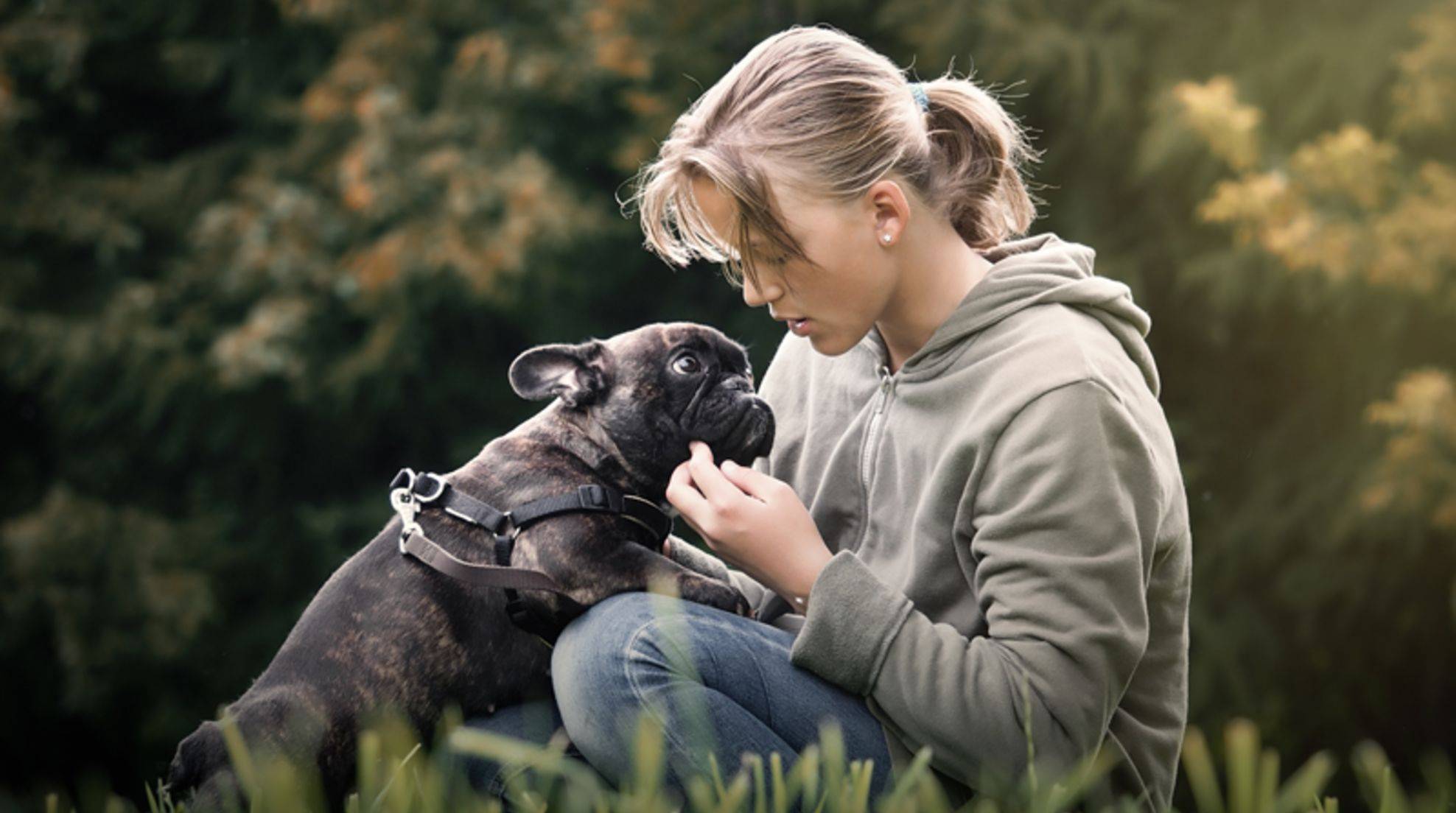
If you want to get your puppy used to a dog collar, you should first consider whether a dog harness might be more suitable for your protégé. A collar is only ideal for very calm puppies that have a slight tendency to jump and tug on the leash. A young dog could quickly hurt itself during these activities and find walking on a leash uncomfortable. A dog harness is the gentler alternative in this case.
Putting on the dog collar for the first time: Practice in the apartment
If you want to get a puppy used to a dog collar, you should have a lot of patience with your dog and work with positive reinforcement. Despite the unfamiliar burden, the puppy should associate putting on the collar with something good and feel comfortable in his skin. Practice indoors first because the puppy is not as distracted by his environment as outside and can best concentrate on you.
Only with patience: getting puppies used to a dog collar
It’s best to choose a lightweight, accessible to a put-on dog collar that doesn’t bother or irritate the dog with oversized buckles. Be firm but careful when putting the dog collar on for the first time. Do not force your pup to do anything. While putting the collar on your dog, you should praise him and talk to him. A few treats can also help get your puppy used to a dog collar.
Your faithful companion should associate the accessory only with positive memories and pleasant feelings. Please remove it from him the first time after a short time. In this way, your young dog will learn that the collar is nothing terrible. It is even worth it for him to put the collar on because he gets something nice in return.
If your little four-legged friend starts scratching his neck as soon as he wears the collar, calmly allow it and do not try to stop it. As soon as your puppy stops doing it and behaves calmly, praise him. He will then learn that it is more rewarding for him to accept the collar than to try to get rid of it.
Dog training: preparation for the walk
Calmly try to make the leash palatable to the youngster already in the home in the form of fun and games. It should be light, just like the collar, and not involve any risk of injury. Let the dog pull the leash quietly behind him for a while. You should then also be patient on the first trip outside. There is a lot for the little dog to see. Praise and reward him with treats when he is well-behaved, and the leash hangs loose. This way, the collar will quickly become a matter of course for your puppy, and you will be quite a bit further along with dog training.
Attention. Your puppy is still growing, and the collar can quickly become too small. Check regularly whether it fits properly or is about to cut into the skin. Get a more oversized collar in time so that you can change it immediately if necessary.
In the following video, you will get a few more tips on how to find the suitable dog collar and in which cases a harness is the better choice: