
What shortens the life expectancy of dogs?
The life expectancy of dogs is on average ten to 16 years and depends, among other things, on their owners. No matter how well-intentioned, some harmless decisions can shorten a dog’s lifespan. What these factors are, is revealed here.
Dogs are precious family members, good friends, and animal soul mates. It is, therefore, all the more critical that the four-legged friends have a long and healthy life ahead of them. And even if one is not immune to many a blow of fate, the owners have the best conditions for a high life expectancy of dogs in their hands. If your partner on four paws is dear to you, you should therefore avoid the following life-shortening factors:
- skipping the annual check-up.
Even if the dog seems fit, even healthy four-legged friends should be examined once a year by a veterinarian. After all, dogs cannot communicate, and many signs of illness are not visible to the naked eye.
Usually, the check-up is performed with the annual vaccination. Then the veterinarian examines the teeth, eyes, fur, and skin of the pet once more closely. If there is any suspicion, further examinations can then follow.
In the case of older animals, a blood test is also worthwhile. Then the veterinarian can see how the individual organs of the dog are doing. In the case of diseases, he can react quickly, which is not the case if owners avoid the annual check-up because they think it is a waste of time or money.
- harmful or missing socialization of the dog
Dogs need friends: just like humans, they are social creatures. Interactions with other people and other conspecifics strengthen the animal’s social skills and are therefore essential.
A lack of socialization or poor socialization, on the other hand, can have an impact on the life expectancy of dogs. Because they are not used to contact others, walks or visits mean pure stress for them. This can be expressed, among other things, in the form of aggressive behavior, self-injury, or dermatological problems.
- too many kilos harm the dog
Fact is: Overweight shortens the life expectancy of dogs. On the one hand, obesity damages the musculoskeletal system of animals. Ligaments, tendons, and joints are heavily stressed, which can cause diseases such as osteoarthritis. In addition, overweight four-legged friends are at increased risk for high blood pressure, organ diseases, metabolic disorders, and diabetes.
In addition to shortened life expectancy, the animal’s quality of life is also reduced. An obese dog is extremely limited in terms of mobility and condition. Only a weight reduction through a change in diet can help.
- no or an only a little run
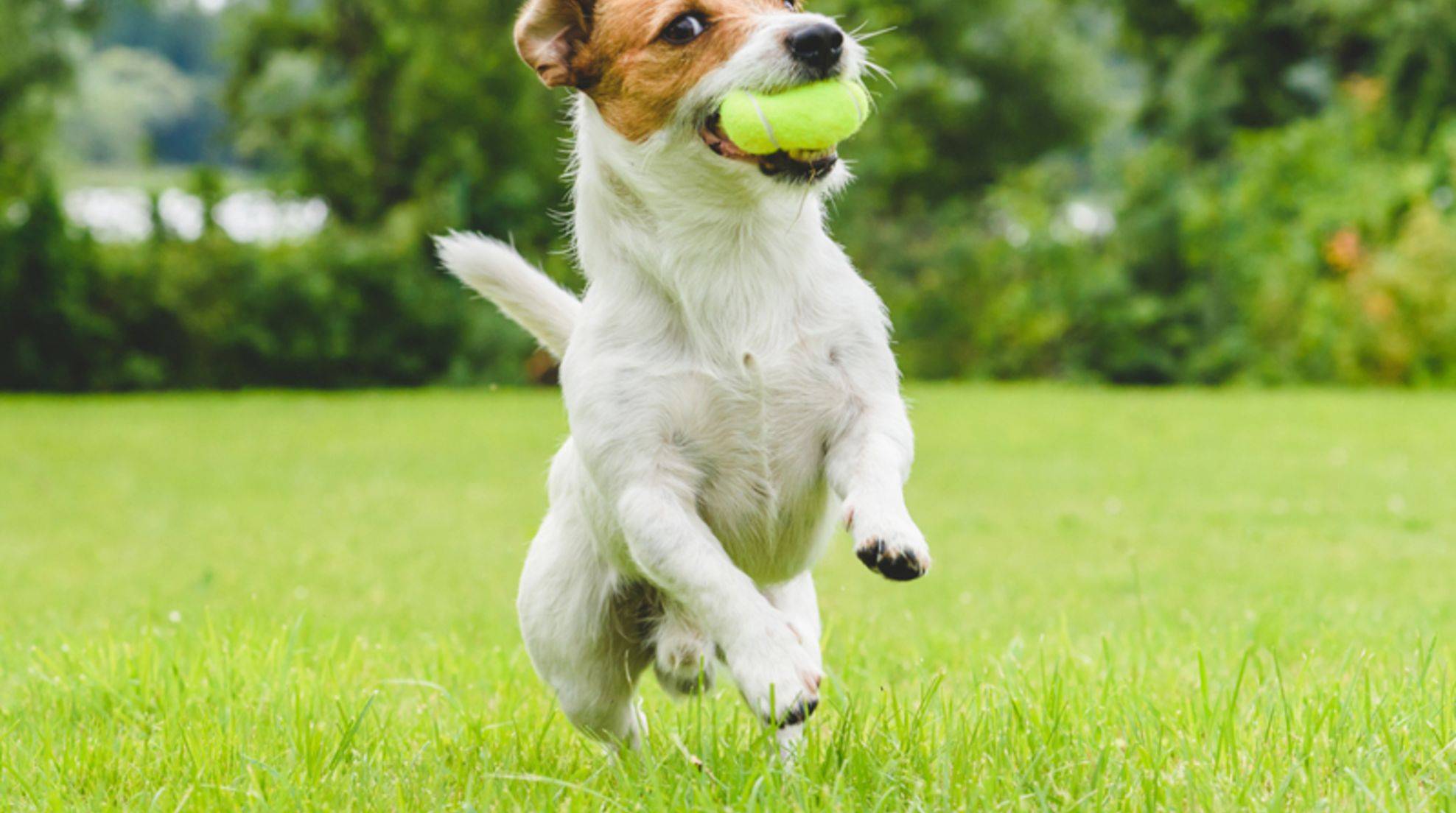
By nature, dogs have a strong urge to move. The owner needs to keep up with this. Bicycle tours, a long walk, or a trip to the dog meadow, where the four-legged friend can romp around sufficiently, strengthen the animal’s immune system, and give him a lot of happy hormones.
But not only good run is indispensable for the high life expectancy of dogs, but the animals also want to be mentally challenged. Retrieval exercises or participation in agility groups are ideal for this.
- bad teeth in dogs
Dental problems in dogs are a severe problem. Not only do they cause pain when eating, but bacterial inflammation can also affect internal organs – an infection pathway that is often underestimated. A typical control and chewing things in the form of hard bones provide a remedy and give the four-legged friends a healthy and, above all, long dog life.