Joint problems in dogs: how to prevent them
To reach old age free of pain – that’s what all dog owners wish for their beloved. However, joint problems in dogs are becoming increasingly common in older and massive four-legged friends. With these tips, you can prevent joint problems in dogs.
Causes of joint problems in dogs
Painful joints in dogs can have various causes. These include:
● genetic predisposition such as hip joint dysplasia.
● Overstimulation of the joints during the growth phase due to excessive strain
● incorrect diet
Avoid being overweight in dogs.
This tip goes without saying: being overweight is not healthy for either humans or animals and is one of the leading causes of joint problems in dogs. Every kilo too much can strain your dog’s joints and lead to severe problems in old age. Therefore, you should pay attention to the healthy weight of your four-legged friend.
If your dog already has a little too much on the ribs, a diet and sufficient exercise will help. Here it is essential to pay attention to the right measure. If possible, you should completely stop snacking between meals. This is the only way to keep track of how many calories your dog is eating. How many calories are allowed is best calculated with the help of a veterinarian. Counting your dog’s energy needs may be tedious, but it is essential for its health.
Protect joints through regular movement
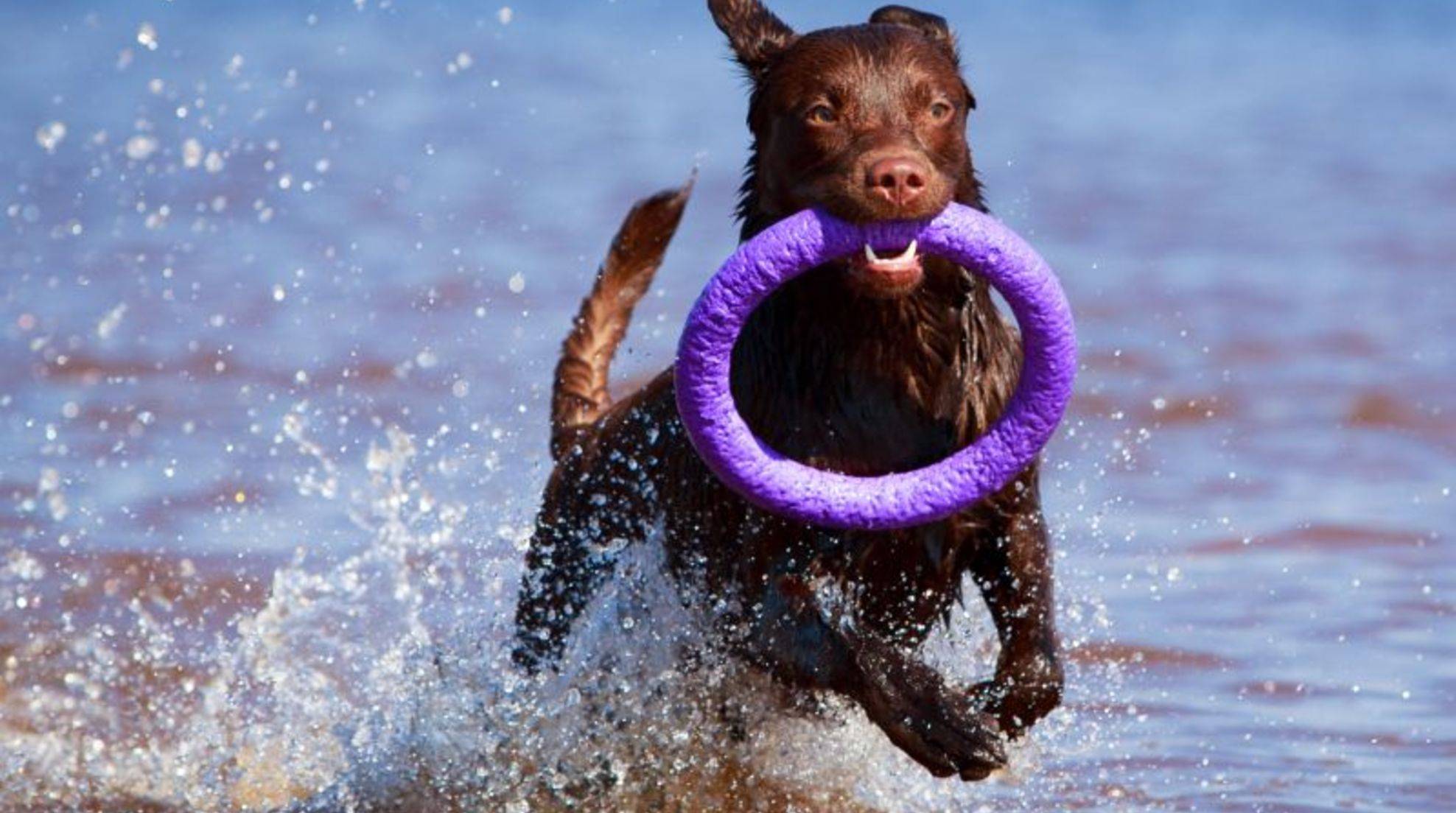
As a general rule, exercise promotes joint health. It strengthens the muscles as well as the ligaments and tendons. However, your dog must perform precise movements at a moderate pace. They are easier on the joints than constant jumps and abrupt stops. Also, make sure that your dog warms up a little first when going for a run and does not sprint after a stick or ball right at the start.
Proper nutrition against joint problems in dogs
You can prevent joint problems in dogs with the proper diet. Food supplements can help strengthen joints and bones. In this way, you can avoid nutrition-related complaints as far as possible, ideally starting in puppyhood. Omega-3 fatty acids, which are highly concentrated in fish and linseed oil, are beneficial for joint health. Tip: Ask your vet for advice on which food best suits your dog’s needs.
Prevent with gentle ground
When taking your dog for a walk, make sure you have a suitable surface. Ground that is too hard, such as asphalt or stone, does not cushion jumps and stress joints. Forest, field, or meadow surfaces are not only easier on the joints but are also usually more beautiful. By the way, this also applies to your dog’s sleeping place. Make sure that your cold-nosed dog has a soft surface to sleep on.