Home

Puppy protection: How long is it valid?

Puppy protection: How long is it valid?

Puppy protection: How long is it valid?

Regarding how long puppy protection applies among dogs, it is important to note another thing: Unconditional consideration for a puppy dog only applies within its pack and not when strangers meet.

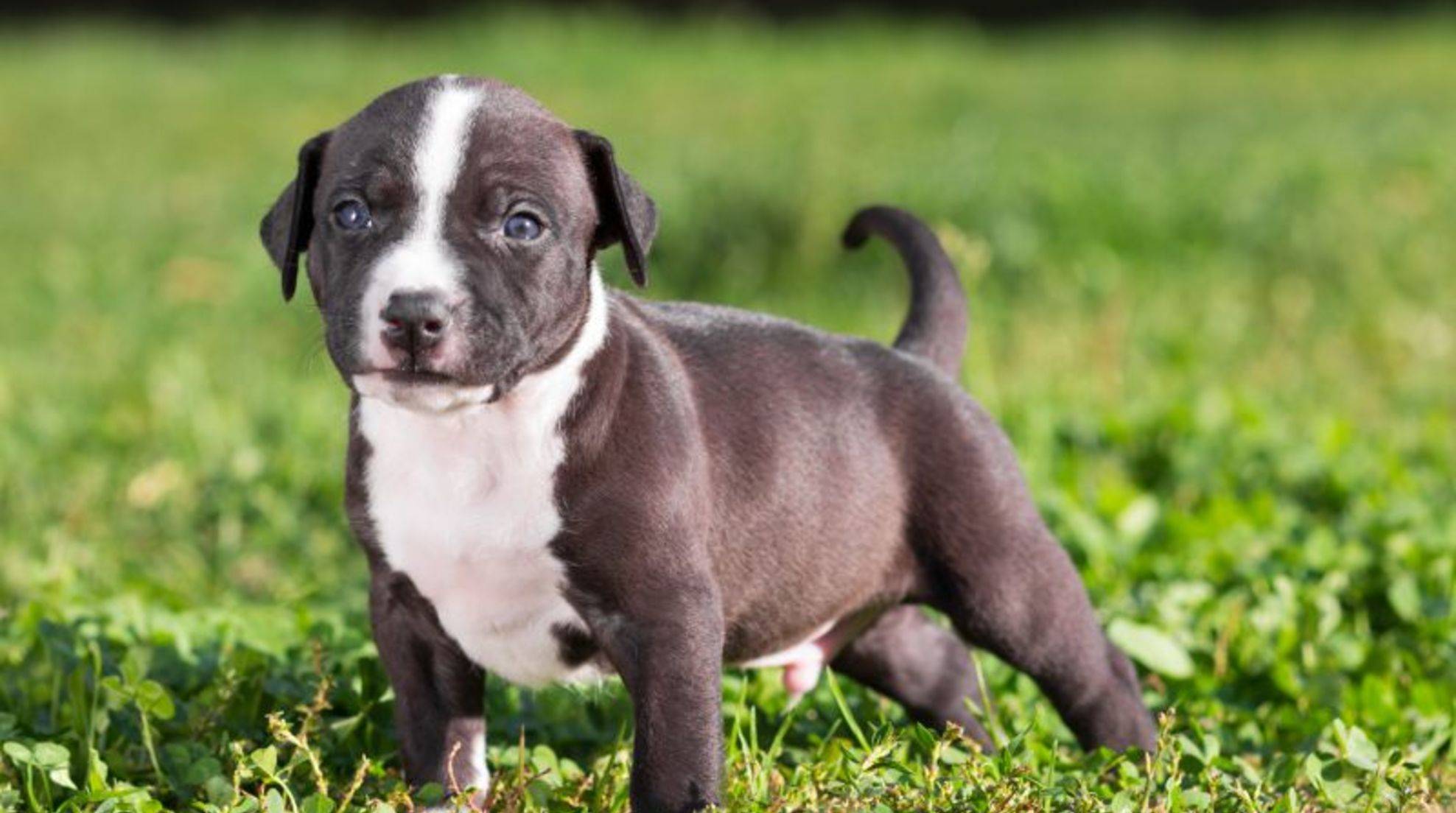
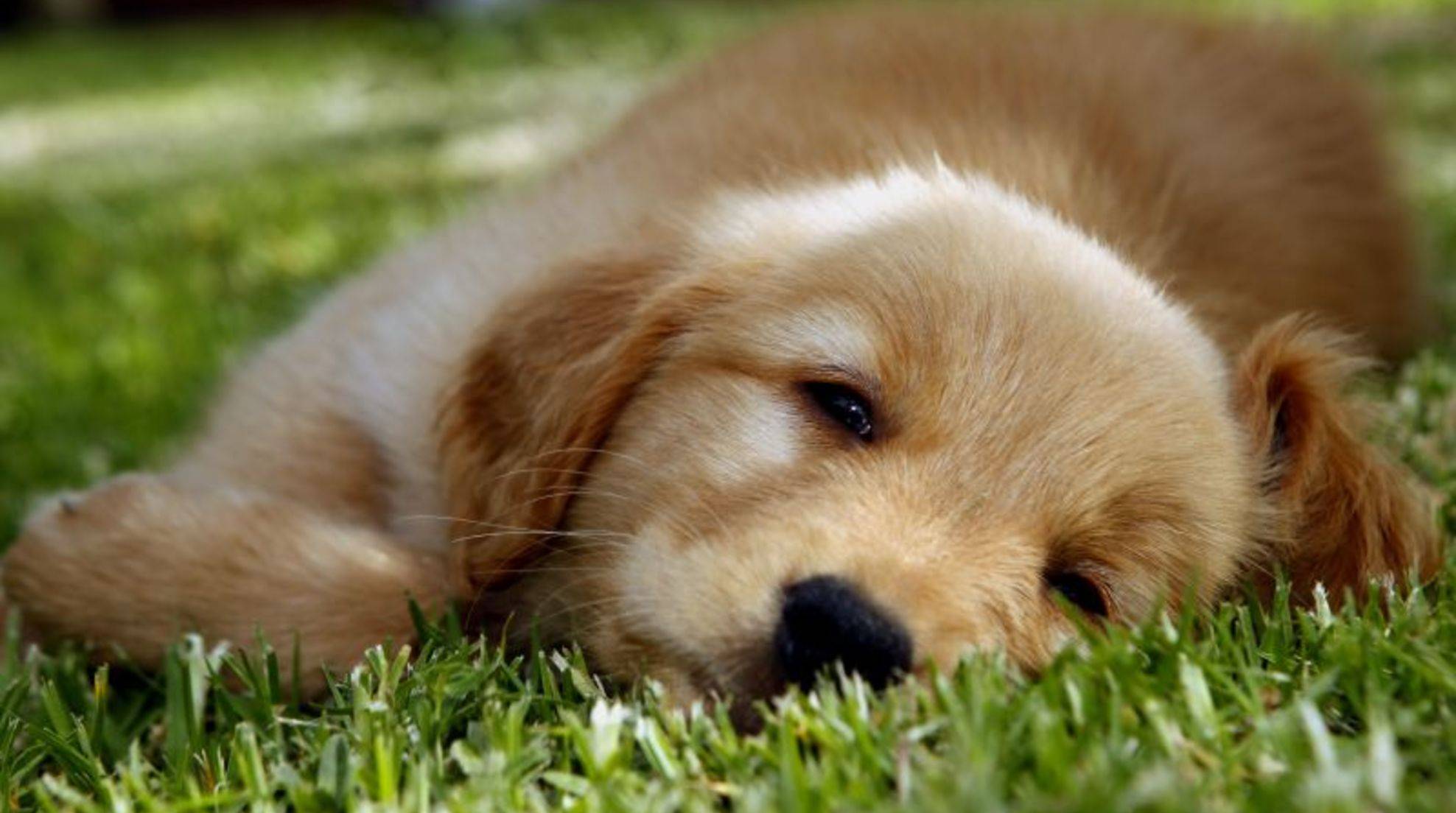
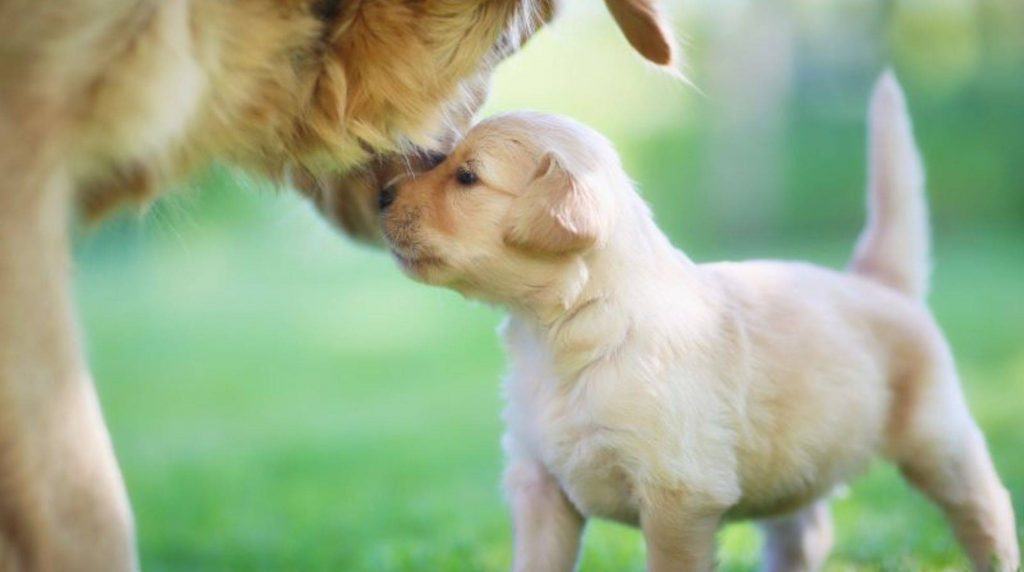
In principle, the issue of puppy protection is not too relevant for the owners of a new puppy. Apart from the fact that small dogs only enjoy this protection in their dog family anyway – usually at the breeder’s – by the time they move to their new family, the dogs are usually already too old to still benefit from it.

Puppy protection is valid for this long.

To still enjoy puppy protection, they must be no older than about 14 weeks or a little over three months old. From the age of about eight weeks, however, it can happen that an older dog occasionally puts the cocky youngster in his place – without biting the physically inferior dog, of course. At the latest, after the first 14 weeks of life, however, the relatives of the puppies also expect that the young dogs now adhere to the rules of dog behavior.

Protection only in the own pack

Many people mistakenly understand Puppy protection as a free ride for a young dog. Because older dogs show consideration for him, nothing could happen to the puppy, even if he is sometimes too impetuous or pushy. However, since puppy protection is a behavior that serves the preservation of the species within its breed, only the dogs from the same pack naturally show consideration for the little ones – of course, this does not mean that most four-legged friends are not nevertheless well enough educated and socialized to spare a puppy a bit.

Caution with strange dogs

That’s why it means taking good care of your young dog, socializing, and training him well. Even if your dog still enjoys puppy protection, you should be careful outside or when dealing with strange dogs. Some puppies walk through the world as if they own it. This can go a strange dog on the dog run or the street already properly against the grain.

So that your little ruffian is not overwhelmed by a rushing adult dog and gets scared, you should always ask the owner of the other four-legged friend whether they have experience in dealing with puppies. Injuries caused by annoyed dogs are very unlikely but not impossible.

Therefore, it is best to give aggressive, very rebellious foreign dogs a wide berth so that a dog fight between him and your puppy does not even begin. Because once again: Puppy protection is not a free ride.

HZOES.COM

HZOES.COM

Cute and funny, info and tips about dogs, cats and other animals. Great pictures and funny videos from the animal world. Your animals on hzoes.com

More articles from dog

Agility training for the dog: tips for beginners
Dog Training

Agility training for the dog: tips for beginners

Agility training for the dog: tips for beginners Agility training promotes the fitness and concentration of the four-legged friends and the human-dog relationship. If you …

Read More →
Companion and companion dogs such as the Maltese, Pug or Poodle, for example, are usually friendly, peaceful and people-oriented. Herding dogs, working dogs and working dogs such as the German Shepherd, the Bernese Mountain Dog or Australian Shepherd also enjoy working with people and are obedient and loyal if well trained. St. Bernards, Leonbergers and Newfoundlands are also stoically calm. Some hunting dog breeds, such as the friendly Beagle, the Labrador or Golden Retriever with their pronounced "will to please", are also good therapy dogs with proper socialization. Whether you choose a large, medium or small dog for animal-assisted therapy depends on its area of use. Larger dogs are more suitable for working with children and adolescents, while smaller four-legged friends are more suitable for the elderly, as they can sit on your lap or snuggle up in bed.
Dog Buying

Therapy dogs: Which four-legged friends are suitable? Unlike assistance dogs, therapy dogs are not specially trained for a single patient. Rather, together with their owner, …

Read More →
Consequences: What obesity can do to a dog
Dog Food

Consequences: What obesity can do to a dog

Consequences: What obesity can do to a dog Whatever the reasons for overweight in dogs – excessive feeding due to misunderstood love of animals or …

Read More →
Dog training with a clicker: how it works!
Dog Training

Dog training with a clicker: how it works!

Dog training with a clicker: how it works! Dog training with clickers differs from other training methods because it uses only the reward principle. Desired …

Read More →
Is the dog blind? How to recognize the symptoms
Dog Health

Is the dog blind? How to recognize the symptoms

Is the dog blind? How to recognize the symptoms Many owners do not even notice at first that their dog is losing its vision. This …

Read More →
Man's best friend: Why are dogs so loyal?
Dog Keeping

Man’s best friend: Why are dogs so loyal?

Man’s best friend: Why are dogs so loyal? The dog is often called man’s best friend, but why are dogs so loyal? One reason: they …

Read More →
This site uses cookies

By continuing to use our site, you agree to our T & Cs and the use of our Cookies & amp;trackers as well as those of our partners in order to offer you content, services, personalized advertising and to generate statistics & amp; audience analysis.