
The right nose: a sense of smell in dogs
The dog is considered a so-called nasal animal, which means that he perceives his environment essentially through the sense of smell. Dogs can smell entire stories, moods, and even illnesses from scents. The dog’s nose is a thoroughly fascinating sense organ.
For humans, the sense of smell plays only a minor role; they perceive impressions much more powerfully through their eyes and ears. The mind then interprets these sensory perceptions and puts them into context. The dog, however, is a “macro smart” – the term comes from the Greek and can be translated as “great smeller.” A dog gathers most impressions of its environment through its nose.
Sense of smell in dogs and humans: differences
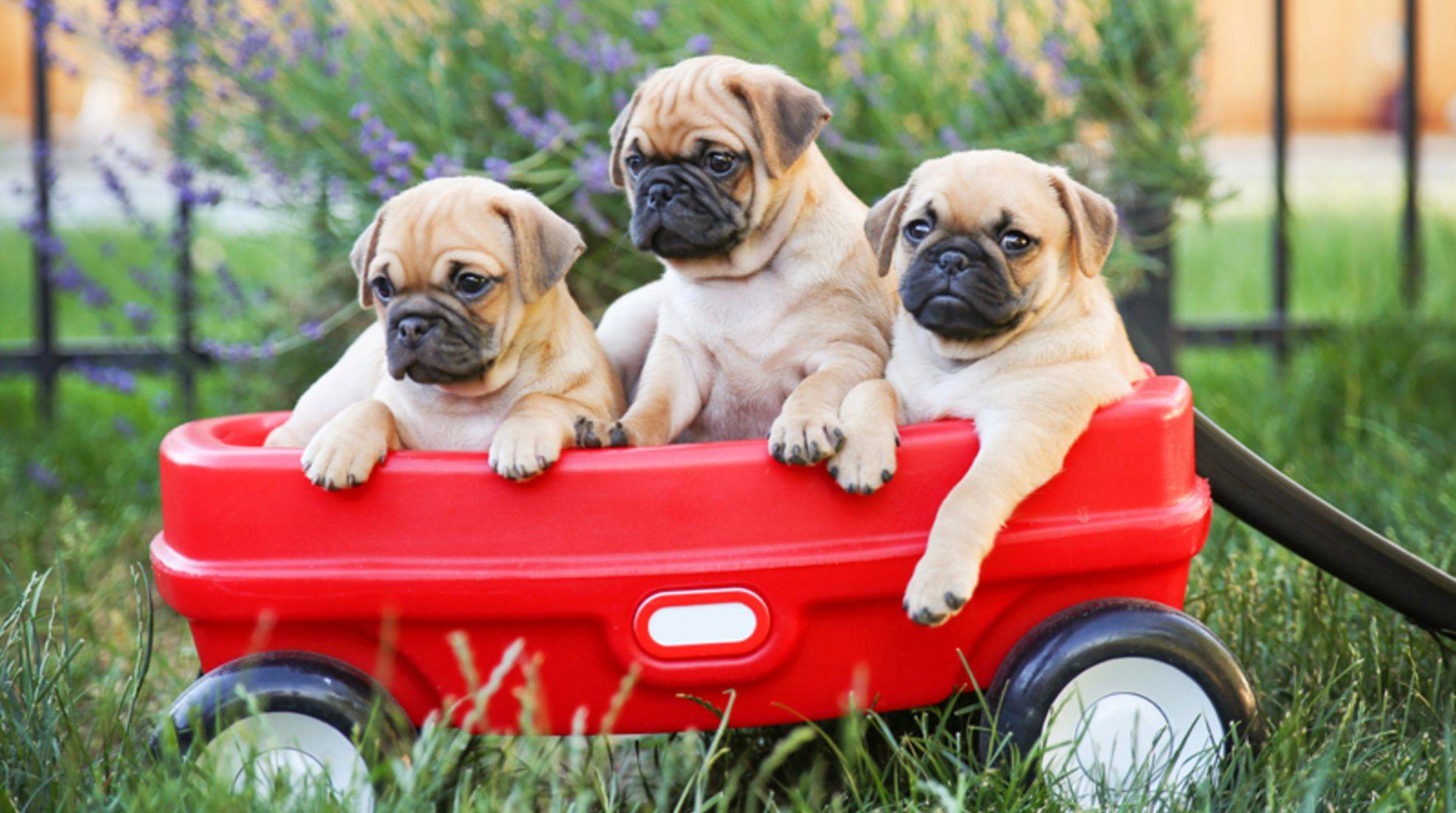
Humans have about five million olfactory cells in their noses, while a dog has an average of 125 to 220 million olfactory cells. However, the number depends on the breed of the dog. A German shepherd is at the upper end of the scale, while a pug is at the lower back. This is because the size and shape of the nose vary significantly among different dog breeds. Nevertheless, the sense of smell in dogs is much better and more refined than the human sense of smell.
The olfactory mucosa in dogs is around 150 square centimeters, much larger than that of humans, who have to do with five square centimeters of olfactory mucosa. That corresponds approximately to the difference between a DIN A4 sheet and a postage stamp. The dog’s nose is also more complex inside than the human nose so that the four-legged friends can perceive odors in a much more differentiated way than their masters or mistresses. If a human cooks a tomato soup, for example, they can only smell the dish in its entirety. On the other hand, a dog can smell out individual spices and minor ingredients. This is because dogs can breathe faster than humans and at the same time “store” odors in their noses for close examination. Dogs can also move their nostrils independently to determine which direction a smell is coming from.
Can dogs smell disease and emotions?
Animals are often said to have a kind of sixth sense, with which they can anticipate events and sense people’s emotions. However, it is only due to their fine sense of smell that dogs can notice their owner’s mood or even “foresee” illnesses and seizures. People smell differently when they have cancer, an epileptic seizure is imminent, or the blood sugar level of diabetics is too high or too low. In various studies, the hit rate of dogs is said to have been more than 90 percent when it came to smelling certain types of cancer.
Emotions set off biochemical processes in the body so that the smell changes in the process. Humans do not notice this, but a dog does. So it is true that dogs can smell fear. However, they also sense when you are sad, depressed, happy, restless, or calm.
Sniffer dogs at work
The differentiated, delicate smell of dogs is used by police officers, rescue workers, hunters, and gourmets. The dog’s nose is very adaptive, so you can train a dog to respond to certain smells. Some dogs can sniff out explosives or narcotics; others can smell if people are still under rubble after a disaster. Still, other sniffer dogs are particularly good at picking up and following scents. And then there are the truffle dogs, which detect the rare mushrooms in the ground. The advantage over truffle hogs is that dogs don’t damage the precious gourmet ingredient or consume it themselves.
What if the sense of smell is lost in a dog?
When a person loses his sense of smell, it is most definitely not a pleasant experience. Nevertheless, he can endure this condition in the end. It is quite different with a four-legged friend. If a dog loses its sense of smell, this causes drastic changes in its character for the worse. His usual character is increasingly difficult to recognize; the animal loses more and more interest in his environment and becomes apathetic.