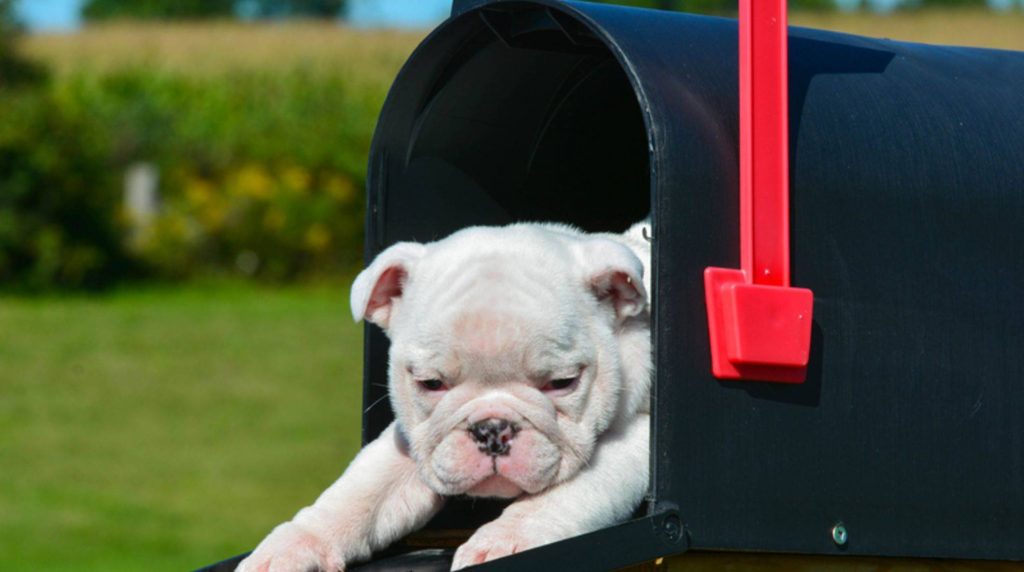
Why don’t dogs like mail carriers?
As soon as your four-legged friend hears the letter carrier coming, he goes crazy? You are not alone in this. “Why don’t dogs like mailmen?” many dog owners, therefore, ask themselves. Answers to this, and how you can teach your overzealous guardian with the cold snout to accept the “stranger,” you will learn here.
Several reasons come together when dogs do not like mail carriers. Strictly speaking, the four-legged friends have nothing personally against the letter carrier – their reaction is based on a misunderstanding. Since mail carriers come by every day but are treated differently than guests, dogs think they are intruders.
Dogs don’t like letter carriers intruding on their territory.
Especially dogs with a muscular guarding and protective instinct see it as their duty to drive away from the mailman. After all, these strangers invade their territory uninvited every day. Dogs do not understand what function these supposed intruders perform. They only perceive that these strangers are something other than visitors.
Guests usually come to the house, warmly greet the four-legged friend’s caregivers, and are welcome. However, mail carriers or pizza delivery men stop at the front door, matter-of-factly transact business, and leave. Before these humans, the quadruped takes itself instead of in it.
Some dogs are afraid of the letter carrier.
In addition, dogs are often afraid of the letter carrier. Although they had successfully driven away from the intruder the day before by their barking, he comes again. This irritates and unsettles the animals. In addition, the packages and letters that the letter carrier brings smell strange to the dog, which can increase his uncertainty. He can’t correctly classify the situation; it is unfamiliar to him. Therefore, he reacts aggressively to keep the apparent danger at bay as a precaution.
Can dogs smell the letter carrier’s fear?
Conversely, many letter carriers are also afraid of dogs. As a result, they emit a particular odor via pheromones (scents) that dogs can detect. The fear of the letter carrier can be transferred to anxious or nervous four-legged friends. Furthermore, the letter carrier in his fear may exhibit behavior that provokes the dog or arouses his hunting instinct. For example, if the letter carrier looks the animal in the eye or tries to run away from the dog as quickly as possible.
Misbehavior settles down through positive reinforcement.
Your dog’s aggressive behavior towards parcel carriers and the like is not to be trifled with. If it is not interrupted as early as possible, it can become entrenched and worsen. The phenomenon of positive reinforcement is to blame. It helps in dog training to instill desired behavior in the dog. It can also cause dangerous behavior to become a habit. Your dog’s goal is to drive the mailman away by barking at him. This seems to work because the mailman leaves again. The animal doesn’t know that the intruder would have gone anyway.
Now the “enemy” comes back the next day, and the dog wonders. He barks a little louder as a precaution, and the letter carrier disappears; the dog has achieved his goal. So his aggressive behavior is rewarded. But since the unwanted stranger keeps coming, the animal thinks he has to become more and more apparent. At worst, one day, he goes to bite the letter carrier to drive him away.
How dog and letter carrier can become friends
The sooner you break this spiral, the better. Once aggressive behavior has escalated to the point where it becomes dangerous, only problem dog therapy can help. The easiest way to do this is to teach your dog from the beginning that the mailman is welcome. Introduce them to each other when the mailman brings you your letters and packages. To do this, you can arrange with your letter carrier to have a dog treat or toy ready outside, which the letter carrier will then bring and give to your four-legged friend. In this way, your dog associates the letter carrier with something pleasant and learns that it is worthwhile to receive him in a friendly manner.
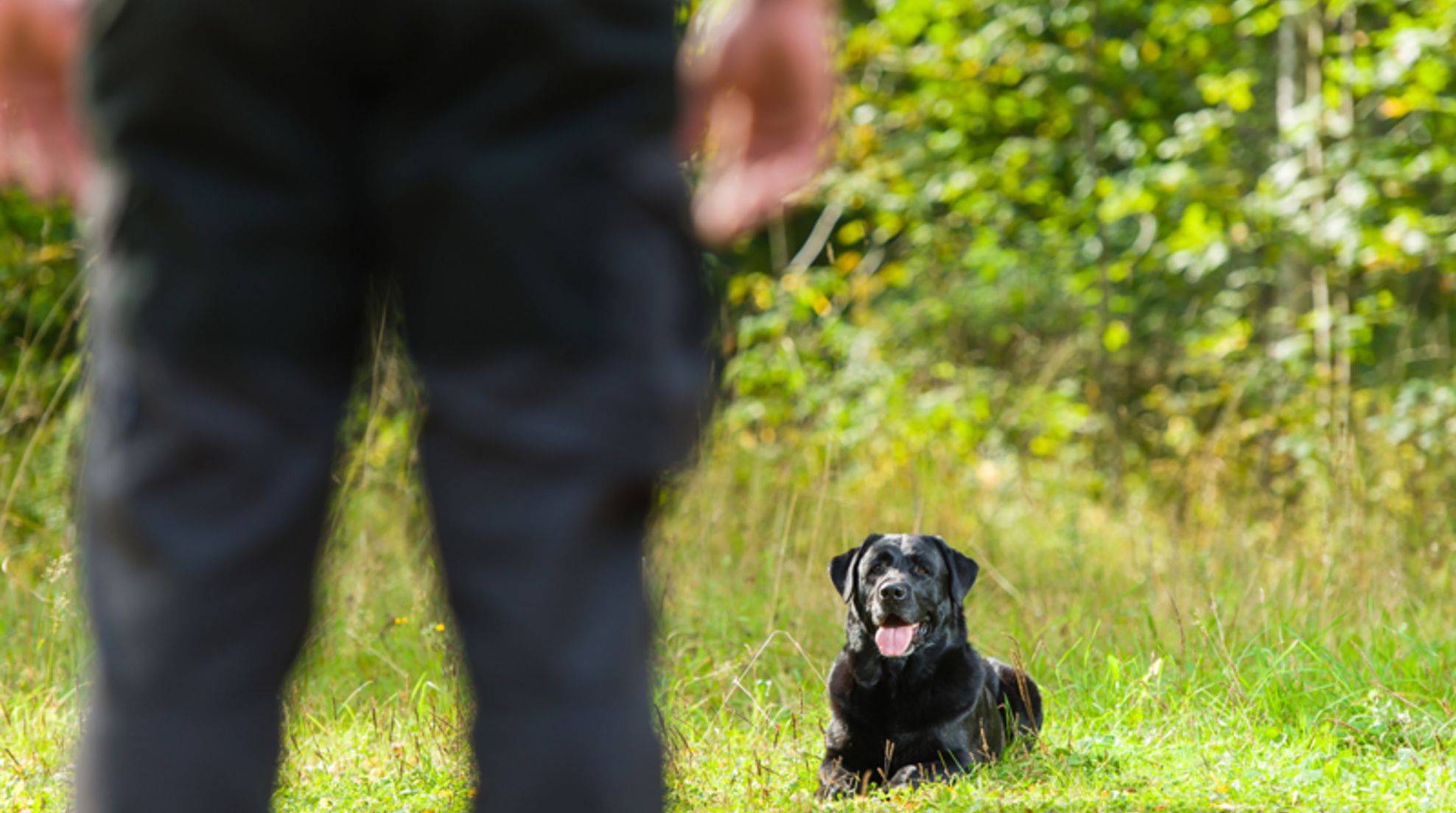
In addition, you can teach your dog the command “Off to the basket.” In time, he will also learn to wait quietly in his seat when the front doorbell rings. If your dog is afraid of the mailman and barks at him regularly, conditioned relaxation will also help. In addition, generally, strengthen the self-confidence of your dog by socializing him in the dog school with conspecifics and strangers. Then he will also react more calmly to the letter carrier.