Home

Labrador: optimal nutrition for the dog breed

Labrador: optimal nutrition for the dog breed

Labrador: optimal nutrition for the dog breed

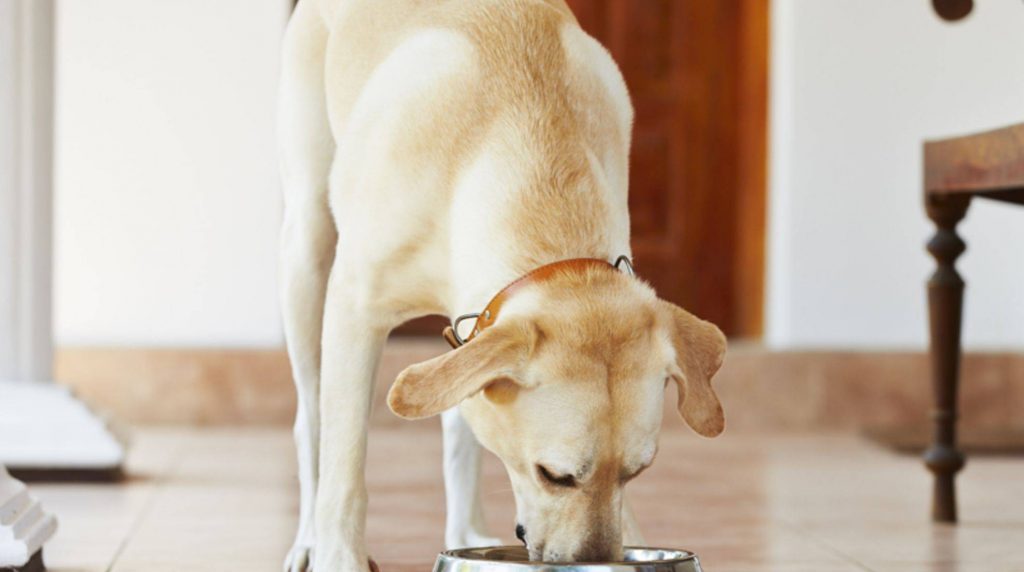
The Labrador is a master at begging for small snacks. However, this can lead to excess pounds in no time, which in the long run will have a negative impact on the health of the four-legged friend. Learn below what should be the optimal diet for your Labrador.

However, it is really not easy to deny your Labrador a wish. He charms you with his brown eyes, then also puts his snout on your knee and looks at you quite devotedly. All right, you think to yourself, a treat can’t hurt. A snack really doesn’t hurt, but your dog will try it more and more often. The result: your Labrador tends to become overweight.

Healthy nutrition as the measure of all things

However, you can prevent this with the right diet. Every package of dog food gives instructions on how to feed your four-legged friend. Certain weight units are used as a yardstick. For example, if your Labrador weighs 25 kilograms, 300 grams of dry food per day is usually perfectly adequate. For a dog weighing 35 kilograms, 400 grams is sufficient. However, these scales can vary from food to food, so it is always advisable to study the packaging information or consult your vet if in doubt.

How active is your Labrador?

Because there are other factors that have an impact on what your dog’s diet should be. If he is very active and agile, he can definitely tolerate a little more food. If he is sluggish or cannot move too much for health reasons, you should reduce the amount – and especially save on the treats. The age also plays a not insignificant role.

Resist begging

In general, snacks between meals should always be an exception. If your Labrador demands more, subtract the weight of the treats from your four-legged friend’s food. This way, he can still be rewarded in between without the risk of your dog getting too fat. Instead of treats, you can also give him a chewing bone, with which he is occupied a little longer. Basically, however, you decide when your Labrador gets a snack – not him.

HZOES.COM

HZOES.COM

Cute and funny, info and tips about dogs, cats and other animals. Great pictures and funny videos from the animal world. Your animals on hzoes.com

More articles from dog

Uncategorized

Streamlining Office Meals: A Hands-On Review of EzCater

In the world of hybrid work and back-to-office mandates, reliable corporate catering has evolved from a luxury to a necessity. Enter EzCater, a B2B platform promising …

Read More →
Dog food: 5 ingredients that no dog needs
Dog Food

Dog food: 5 ingredients that no dog needs

Dog food: 5 ingredients that no dog needs Whether dog food contains good ingredients and is of high quality is not revealed by looking at …

Read More →
Are dogs allowed to eat honey? Or is that dangerous?
Dog Food

Are dogs allowed to eat honey? Or is that dangerous?

Are dogs allowed to eat honey? Or is that dangerous? Sweet and sticky, but also healthy? Opinions differ when it comes to honey and the …

Read More →
Causes of osteoarthritis in dogs
Dog Health

Causes of osteoarthritis in dogs

Causes of osteoarthritis in dogs The causes of osteoarthritis in dogs are still not fully understood. However, it is clear that the dog’s age plays …

Read More →
Why dogs make great pets: 7 good reasons
Dog Keeping

Why dogs make great pets: 7 good reasons

Why dogs make great pets: 7 good reasons We voluntarily form a long-term bond with them: Dogs. Four-legged friends accompany their owners for up to …

Read More →
Companion and companion dogs such as the Maltese, Pug or Poodle, for example, are usually friendly, peaceful and people-oriented. Herding dogs, working dogs and working dogs such as the German Shepherd, the Bernese Mountain Dog or Australian Shepherd also enjoy working with people and are obedient and loyal if well trained. St. Bernards, Leonbergers and Newfoundlands are also stoically calm. Some hunting dog breeds, such as the friendly Beagle, the Labrador or Golden Retriever with their pronounced "will to please", are also good therapy dogs with proper socialization. Whether you choose a large, medium or small dog for animal-assisted therapy depends on its area of use. Larger dogs are more suitable for working with children and adolescents, while smaller four-legged friends are more suitable for the elderly, as they can sit on your lap or snuggle up in bed.
Dog Buying

Therapy dogs: Which four-legged friends are suitable? Unlike assistance dogs, therapy dogs are not specially trained for a single patient. Rather, together with their owner, …

Read More →
This site uses cookies

By continuing to use our site, you agree to our T & Cs and the use of our Cookies & amp;trackers as well as those of our partners in order to offer you content, services, personalized advertising and to generate statistics & amp; audience analysis.