Home

The dog has hip dysplasia? This diet helps

The dog has hip dysplasia? This diet helps

The dog has hip dysplasia? This diet helps

Hip dysplasia – HD for short – is very painful for the affected dog. With the right diet, the expression can be mitigated in animals at risk. If it is already too late, at least the joints can be relieved.

A dog with hip dysplasia suffers from a deformation of the hip joint, which causes him great pain and increasingly restricts his freedom of movement. With the right diet, you can positively influence the course of the disease.

Prevent hip dysplasia through proper nutrition?

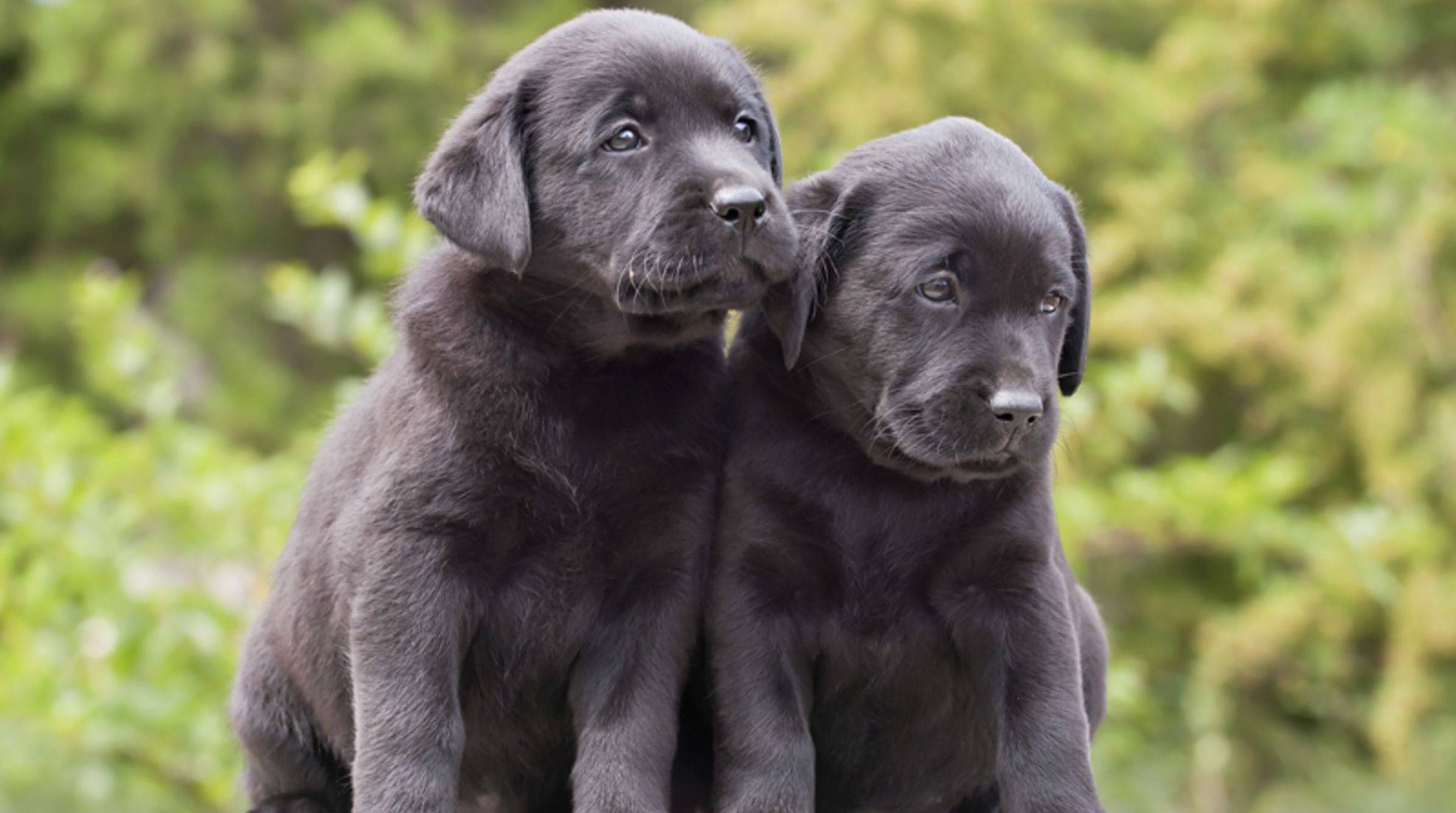
Especially larger dog breeds like Labradors, Huskies or German Shepherds often have a predisposition to hip dysplasia. Through serious breeding and a strict selection of the parents, attempts are made to counteract this. Nevertheless, preventive measures in the diet can not hurt. The risk of developing HD increases when dogs grow too fast. Therefore, it is important that puppies are fed with a diet adapted to their age.

This means that the baby dogs should not get too many calories and nutrients during the growth phase. High-quality ready-made food especially for puppies is usually adapted to the needs of the little rascals. Nevertheless, the recommended feed quantities should not be exceeded under any circumstances. The fluffy balls do not need additional nutritional supplements, vitamins and minerals.

Relieve the joints of a dog with HD

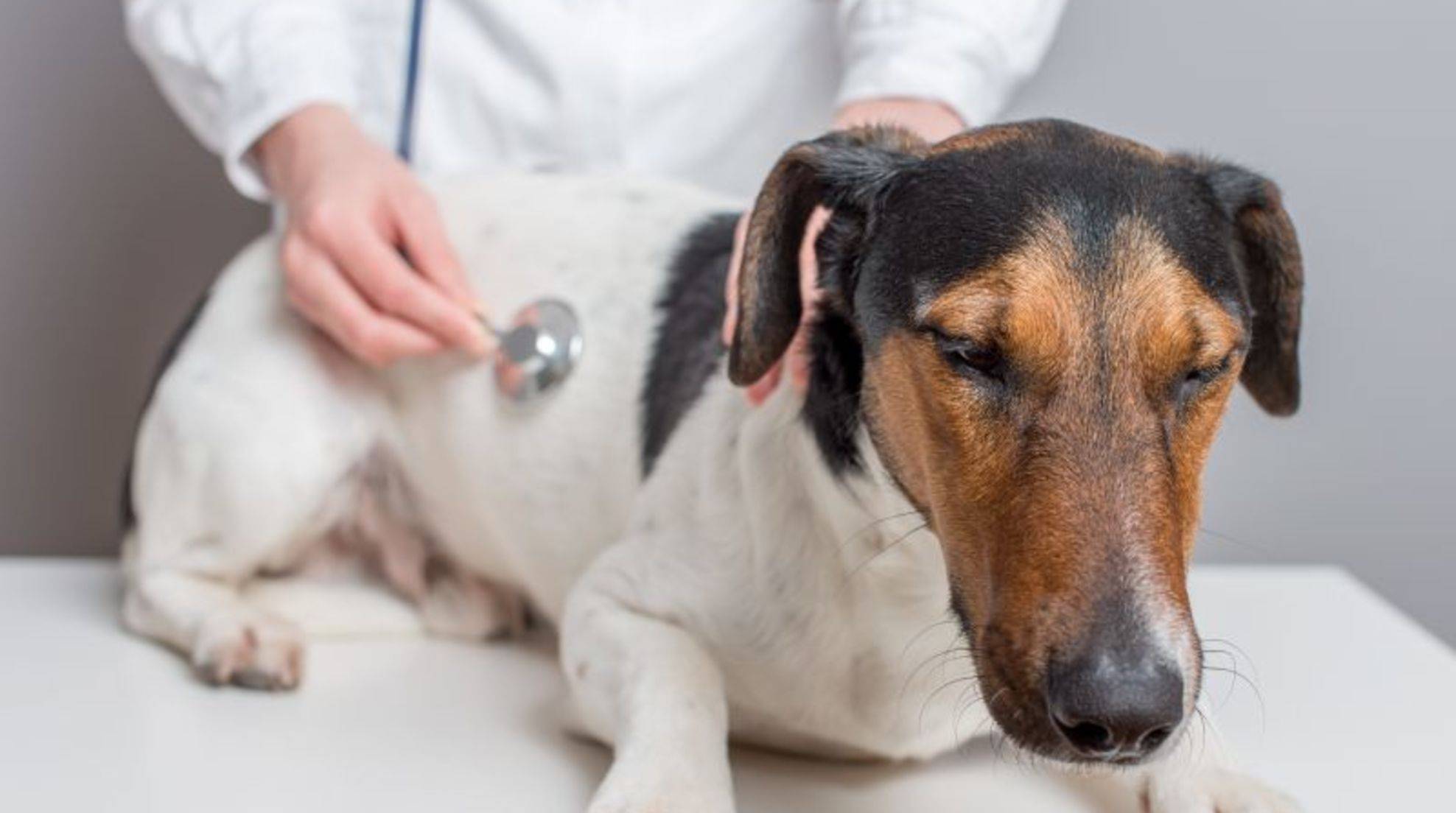
If the dog already suffers from hip dysplasia, you should help him to relieve his joints through the diet. Since affected animals feel severe pain, their joy of movement is usually limited, so they get overweight faster than their healthy peers. This naturally puts pressure on the hip joints and aggravates the HD symptoms. For this reason, you should support your four-legged friend in losing weight with special calorie-reduced dog food as well as moderate training. Talk to your veterinarian about what diet is appropriate for healthy weight loss.

Furthermore, certain nutrients are said to have a positive effect on joints. Antioxidants such as vitamins C and E, unsaturated fatty acids such as linseed oil or salmon oil, and glycosaminoglycans such as those found in New Zealand green-lipped mussel may be able to ease the suffering of hip dysplasia in dogs.

HZOES.COM

HZOES.COM

Cute and funny, info and tips about dogs, cats and other animals. Great pictures and funny videos from the animal world. Your animals on hzoes.com

More articles from dog

Why don't dogs like mail carriers?
Dog Keeping

Why don’t dogs like mail carriers?

Why don’t dogs like mail carriers? As soon as your four-legged friend hears the letter carrier coming, he goes crazy? You are not alone in …

Read More →
What to do when your dog does not want to eat
Dog Food

What to do when your dog does not want to eat

What to do when your dog does not want to eat If your dog does not want to eat, it is often not only due …

Read More →
Dental care for dogs: How to keep teeth healthy
Dog Health

Dental care for dogs: How to keep teeth healthy

Dental care for dogs: How to keep teeth healthy Healthy teeth are also vital for four-legged friends. Dental care for dogs is therefore essential. Because …

Read More →
Border Terrier: the character of the small dog breed
Dog Keeping

Border Terrier: the character of the small dog breed

Border Terrier: the character of the small dog breed The Border Terrier may be built relatively small – but it belongs to the robust dog …

Read More →
Puppy nutrition: food for young dogs
Dog Food

Puppy nutrition: food for young dogs

Puppy nutrition: food for young dogs Good food is elementary for the growth and health of young dogs. Here are a few tips on what …

Read More →
Companion and companion dogs such as the Maltese, Pug or Poodle, for example, are usually friendly, peaceful and people-oriented. Herding dogs, working dogs and working dogs such as the German Shepherd, the Bernese Mountain Dog or Australian Shepherd also enjoy working with people and are obedient and loyal if well trained. St. Bernards, Leonbergers and Newfoundlands are also stoically calm. Some hunting dog breeds, such as the friendly Beagle, the Labrador or Golden Retriever with their pronounced "will to please", are also good therapy dogs with proper socialization. Whether you choose a large, medium or small dog for animal-assisted therapy depends on its area of use. Larger dogs are more suitable for working with children and adolescents, while smaller four-legged friends are more suitable for the elderly, as they can sit on your lap or snuggle up in bed.
Dog Buying

Therapy dogs: Which four-legged friends are suitable? Unlike assistance dogs, therapy dogs are not specially trained for a single patient. Rather, together with their owner, …

Read More →
This site uses cookies

By continuing to use our site, you agree to our T & Cs and the use of our Cookies & amp;trackers as well as those of our partners in order to offer you content, services, personalized advertising and to generate statistics & amp; audience analysis.