Home

Adopt old dog: 5 good reasons

Adopt old dog: 5 good reasons

Adopt old dog: 5 good reasons

If you want to adopt an old dog, it’s not only a good deed, but you’re sure to get a grateful new friend in your life. The benefits of having an old dog are many. Here are five good reasons to adopt a four-legged senior.

If you want to get a dog, you may first think of a cute little puppy. However, senior dogs are no less lovable and even have advantages over young dogs. In any case, there is no such thing as “better” or “not better” – everyone should know for themselves which animal partner they would like to give a home to.

  1. you get what you see

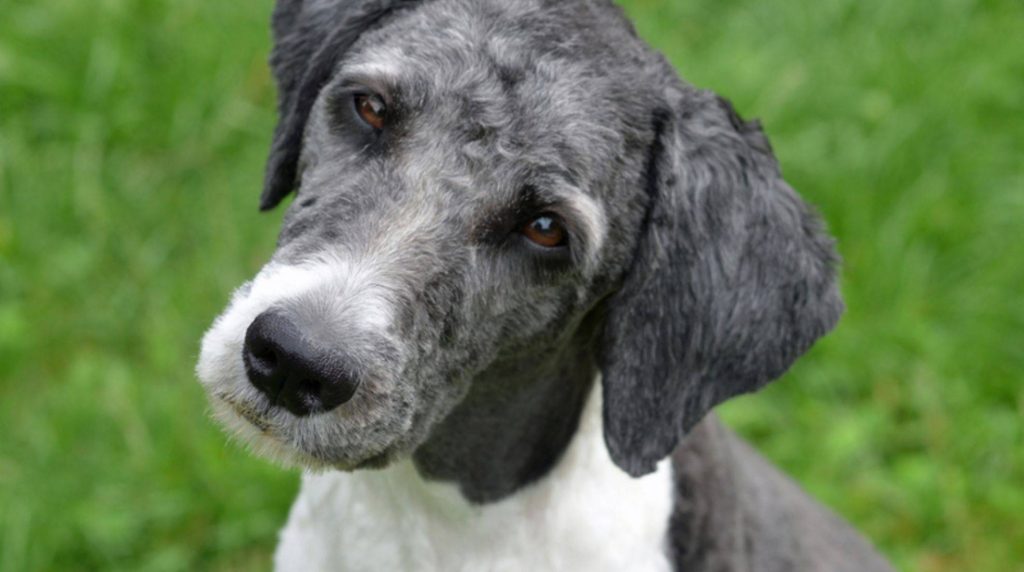
When you adopt an old dog, you don’t get a pig in a poke, but a dog that already has a trained character. Thanks to his experience, a senior woof is usually very consolidated and no longer changes too much, as is often the case with a puppy. Also visually will not change much more, except that the aged quadruped possibly gets a few more gray hairs.

  1. adopt an old dog and enjoy the peace

One thing in advance: even if a dog is older, it does not mean that he just lies around in the corner and dozes. Many senior dogs are very active into old age and need both physical and mental exercise. That said, an old dog is usually much calmer and more laid back than a youngster. They have fewer bumbles in their butts and are more relaxed about many situations, which makes them very sociable. Also, older domestic wolves usually don’t need quite as much exercise as young dogs. Therefore, old dogs are also very suitable for human seniors, who may also be happy not to always have to go on the very big walk.

  1. a lot of love and gratitude

If you adopt an old dog from the shelter – possibly one that has not always had an easy life – you can be sure of one thing: Your dog will be eternally grateful. A rescued dog knows that it owes a lot to its rescuers. They will not only gain a loyal partner, but will also be given a lot of love.

  1. an old dog does not have to learn much more

Even if you adopt an old dog, you need to give it the proper education. Nevertheless, an experienced four-legged friend has already learned many things in life and has already internalized the basics of dog training in the best case. Of course, this, like all the other points here, does not apply to every pelt nose – every dog is ultimately different and has a very individual life story. Some have therefore also been brought up better, others worse.

  1. old dogs want to learn a lot

Even old dogs can and want to learn new tricks. The fact that a four-legged friend may already have a lot up his sleeve does not mean that thirst for knowledge and thirst for action are satisfied. From tricks, to dog sports (for seniors), to taking on certain tasks, even older dogs are by no means bores.


HZOES.COM

HZOES.COM

Cute and funny, info and tips about dogs, cats and other animals. Great pictures and funny videos from the animal world. Your animals on hzoes.com

More articles from dog

Diet for dogs with pancreatitis
Dog Food

Diet for dogs with pancreatitis

Diet for dogs with pancreatitis Pancreatitis often leads to a permanent dysfunction of the organ. The diet of your dog usually has to be changed …

Read More →
Education: This is important for the Labrador
Dog Training

Education: This is important for the Labrador

Education: This is important for the Labrador The Labrador Retriever is an intelligent and docile dog. This makes his upbringing usually relatively uncomplicated. Nevertheless, you …

Read More →
Companion and companion dogs such as the Maltese, Pug or Poodle, for example, are usually friendly, peaceful and people-oriented. Herding dogs, working dogs and working dogs such as the German Shepherd, the Bernese Mountain Dog or Australian Shepherd also enjoy working with people and are obedient and loyal if well trained. St. Bernards, Leonbergers and Newfoundlands are also stoically calm. Some hunting dog breeds, such as the friendly Beagle, the Labrador or Golden Retriever with their pronounced "will to please", are also good therapy dogs with proper socialization. Whether you choose a large, medium or small dog for animal-assisted therapy depends on its area of use. Larger dogs are more suitable for working with children and adolescents, while smaller four-legged friends are more suitable for the elderly, as they can sit on your lap or snuggle up in bed.
Dog Buying

Therapy dogs: Which four-legged friends are suitable? Unlike assistance dogs, therapy dogs are not specially trained for a single patient. Rather, together with their owner, …

Read More →
Puppies: How old do puppies have to be when they are given away?
Dog Buying

Puppies: How old do puppies have to be when they are given away?

Puppies: How old do puppies have to be when they are given away? A puppy should move in with you? Then the dog breeder of …

Read More →
Dog nutrition against stress for nervous four-legged friends
Dog Food

Dog nutrition against stress for nervous four-legged friends

Dog nutrition against stress for nervous four-legged friends When it comes to dog nutrition, it’s not so easy to keep track of everything. Some dog …

Read More →
Fever in a dog: what to do?
Dog Health

Fever in a dog: what to do?

Fever in a dog: what to do? Fever in dogs is one of the symptoms of various underlying diseases and can become dangerous if it …

Read More →
This site uses cookies

By continuing to use our site, you agree to our T & Cs and the use of our Cookies & amp;trackers as well as those of our partners in order to offer you content, services, personalized advertising and to generate statistics & amp; audience analysis.