Home

Does the second dog move in? What to do in case of jealousy?

Does the second dog move in? What to do in case of jealousy?

Does the second dog move in? What to do in case of jealousy?

If a second dog moves in, jealousy can arise: If the hierarchy between two dogs is not clarified, living together in the pack becomes difficult. The minor incidents can now cause the animals to quarrel. This can be dangerous for both.

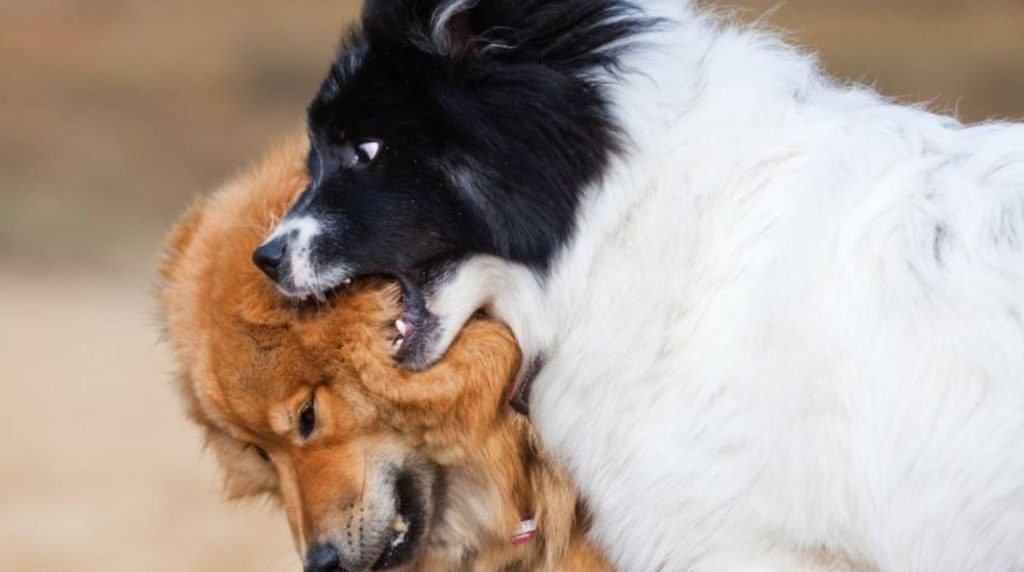
A fight about the hierarchy is expected between two or more dogs living together and is over quickly. Once it is over, the relationship between the animals is usually settled once and for all. Fights overrank are different from fights due to jealousy. The former occurs to determine the leader of the pack. The latter often appears when the hierarchy is not settled.

The jealousy between two dogs: How to avoid it

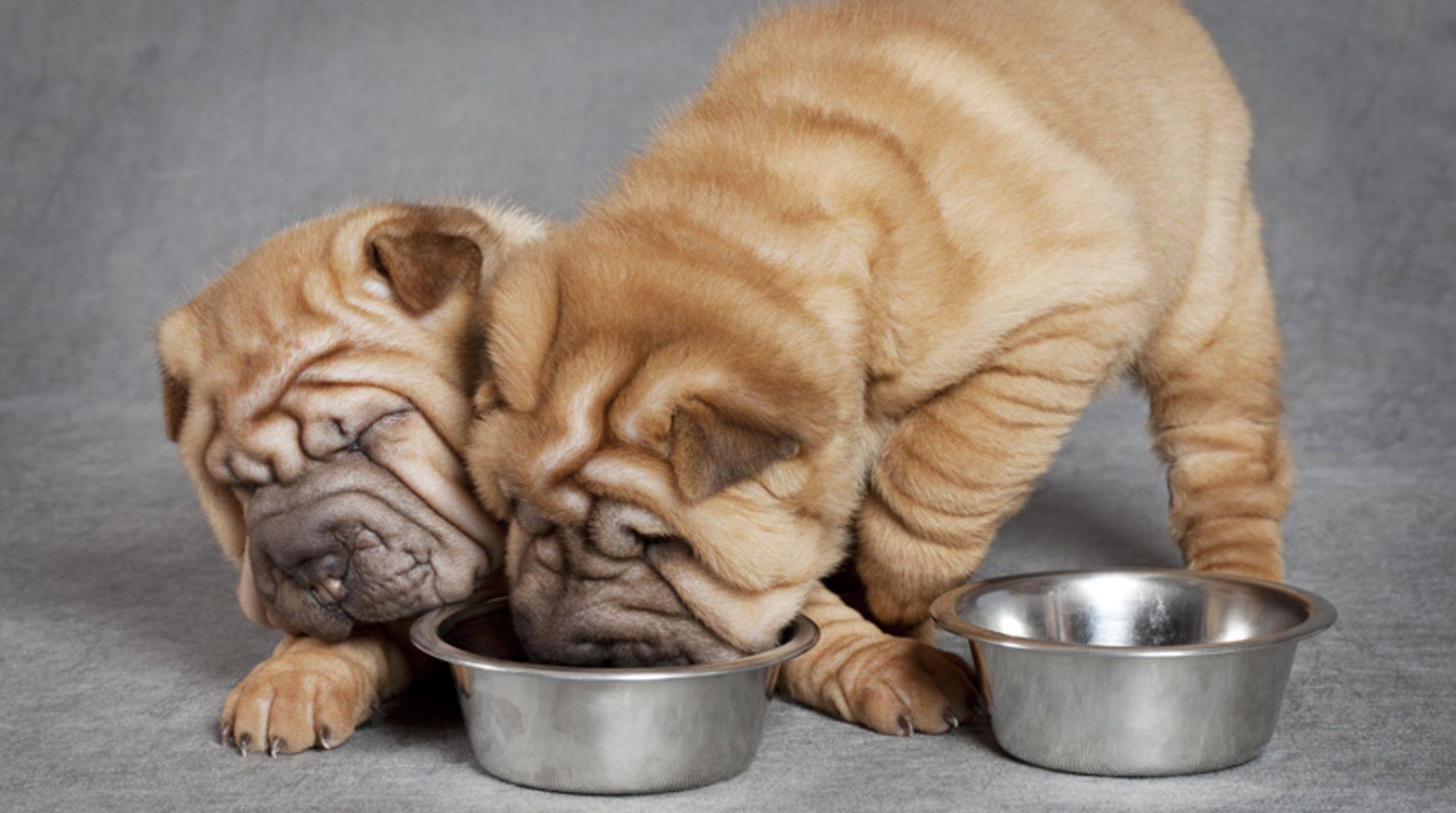
For a harmonious coexistence in the pack, it is indispensable that you do not interfere with the hierarchy of your dogs. Example: Your higher-ranking four-legged friend is always the first to get to the food bowl. As the leader of the pack, this is his right. But if you scold him about it, you will stir up confusion and jealousy.

You can tell which of your dogs is the higher-ranking by certain behaviors: For example, the pack leader usually goes through the door first. Ask your dog trainer if you are unsure. Accept the hierarchy levels of your animals, for example, by giving the food to the pack leader first and do not interfere in minor disputes about the best sleeping place or the favorite toy – but make sure that your second dog does not miss out anyway. In this way, you respect the natural behavior between the two four-legged friends and take an important step to prevent jealousy.

More tips: Neutering and equal treatment

You should also have male dogs neutered if possible to curb aggressive behavior. Treat your animals equally, beware of scolding or comforting them during arguments – they will interfere and make the dispute worse in the long run. Moreover, it is best not to provoke “extreme situations” as long as there is a crisis between them. If you give your dogs a particularly coveted bone or a new toy, it can come crashing down: Beware.

Quarrel out of jealousy: When it does crack.

Fights out of jealousy can be over little things: Master’s caresses, the more extensive bone, or simply the right of way. While such arguments are sometimes dangerous, you should still consider a temporary physical separation only in an emergency. Why? Because the relationship between the dogs could become even tenser after the distance.

Approach the matter calmly and pay attention to even the most minor signals from your dogs that indicate that one of them is jealous. Long walks, mental occupation through agility, Bach flowers for dogs, or a dog trainer can also help to get the jealousy of your darlings under control.

HZOES.COM

HZOES.COM

Cute and funny, info and tips about dogs, cats and other animals. Great pictures and funny videos from the animal world. Your animals on hzoes.com

More articles from dog

How to use body language in dog training
Dog Training

How to use body language in dog training

How to use body language in dog training Dogs communicate with each other primarily through body language. You can take advantage of this in dog …

Read More →
Diet for dogs with pancreatitis
Dog Food

Diet for dogs with pancreatitis

Diet for dogs with pancreatitis Pancreatitis often leads to a permanent dysfunction of the organ. The diet of your dog usually has to be changed …

Read More →
Companion and companion dogs such as the Maltese, Pug or Poodle, for example, are usually friendly, peaceful and people-oriented. Herding dogs, working dogs and working dogs such as the German Shepherd, the Bernese Mountain Dog or Australian Shepherd also enjoy working with people and are obedient and loyal if well trained. St. Bernards, Leonbergers and Newfoundlands are also stoically calm. Some hunting dog breeds, such as the friendly Beagle, the Labrador or Golden Retriever with their pronounced "will to please", are also good therapy dogs with proper socialization. Whether you choose a large, medium or small dog for animal-assisted therapy depends on its area of use. Larger dogs are more suitable for working with children and adolescents, while smaller four-legged friends are more suitable for the elderly, as they can sit on your lap or snuggle up in bed.
Dog Buying

Therapy dogs: Which four-legged friends are suitable? Unlike assistance dogs, therapy dogs are not specially trained for a single patient. Rather, together with their owner, …

Read More →
Dog behavior: Understanding body language
Dog Keeping

Dog behavior: Understanding body language

Dog behavior: Understanding body language Dog behavior is intensely influenced by body language. If the dog wants to communicate with other dogs or humans, he …

Read More →
Cooking dog food yourself: Delicious recipes
Dog Food

Cooking dog food yourself: Delicious recipes

Cooking dog food yourself: Delicious recipes If you don’t want to buy conventional food for your four-legged friend for health or financial reasons, you can …

Read More →
Dog eats everything from the floor: What to do about "garbage eaters"?
Dog Training

Dog eats everything from the floor: What to do about “garbage eaters”?

Dog eats everything from the floor: What to do about “garbage eaters”? Your dog eats everything from the ground, what he finds on the way …

Read More →
This site uses cookies

By continuing to use our site, you agree to our T & Cs and the use of our Cookies & amp;trackers as well as those of our partners in order to offer you content, services, personalized advertising and to generate statistics & amp; audience analysis.