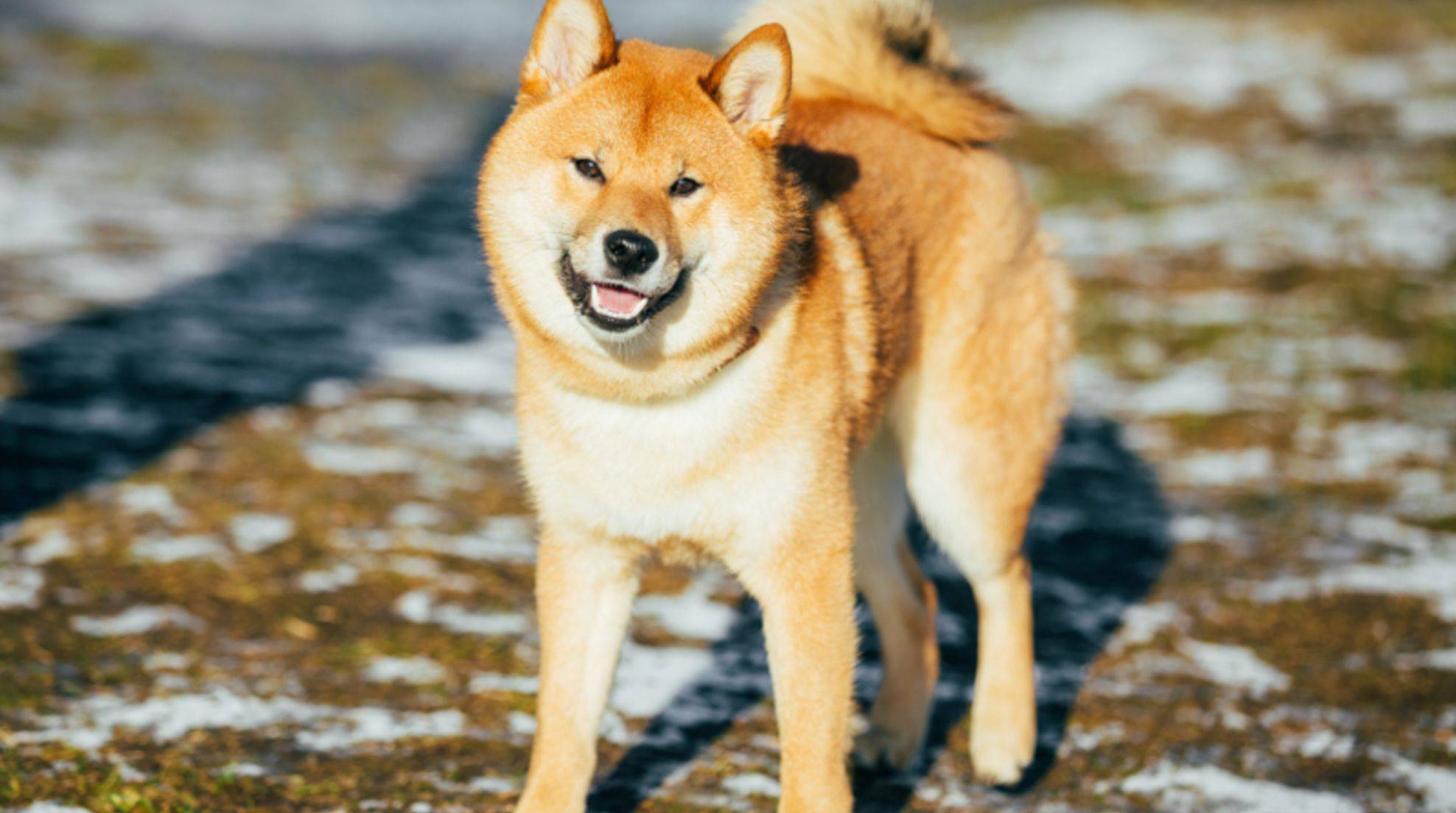
Does dog eat grass: important for dog nutrition?
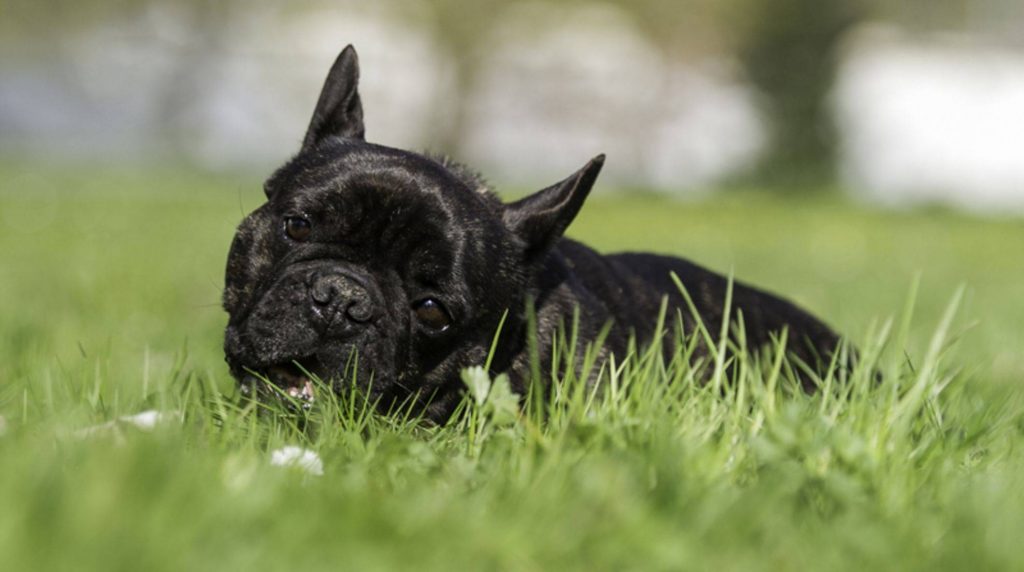
During a walk or in the garden at home, it happens from time to time: Your dog bites hard into the fresh green and chews with pleasure on the stalks. But why do dogs eat grass? The good news is that in most cases there is no disease or unnatural behavior behind your dog’s culinary preference.
When the meadows glow green, some four-legged friends’ mouths seem to water. Many dogs eat grass – apparently because it simply tastes good to them. Grass can even be an enrichment for dog nutrition because it is not only juicy and aromatic but also rich in nutrients and raw fiber. However, if the chewing fun takes over, dog owners should consult their veterinarian.
Why does my dog eat grass? Various explanations
When dogs eat grass, they are just following an instinct that is firmly anchored in their genes. Because: Also their ancestor the wolf takes the stalks to itself. Which role this behavior plays in the context of dog nutrition, is so far not clarified. There are however different theories, which dedicate themselves to the question, of why a dog eats grass:
Stress management or boredom: If the four-legged friends are under tension, their blood sugar level drops. The ingestion of grass raises it again, thus helping to cope with the situation in a relaxed manner and increasing concentration.
Compensate for vitamin or nutrient deficiencies: grass is full of folic acid and provides fiber.
Stimulate digestion: The fiber in grass boosts intestinal activity.
Stomach problems, for example, due to too much stomach acid or hair that has accumulated in the digestive tract from grooming: The grass will help your dog get rid of the stomach problems by vomiting. The only half-chewed stalks tickle the four-legged friends in the throat when swallowing and thus trigger the gag reflex.
Many dog owners are initially frightened when their dog eats grass and then vomits yellow mucus. However, this is usually just a mixture of stomach fluid and bile that takes on a foamy, slimy consistency when vomited. However, if your dog also seems weak or you notice other abnormalities in him, you should talk to your vet as a precaution.
Is eating grass harmful to dogs? When dog owners should be concerned
If your dog eats grass occasionally, there’s no need to worry about your pet – over 90 percent of furry friends chew on stalks from time to time. But if your dog eats a lot of grass, gobbles down whole bunches, and is restless? Then you should talk to your vet about the reasons for this unusual behavior.
The same applies if the grass eating is accompanied by strong vomiting and diarrhea. At the latest, if you notice blood in the vomit or feces, you should not hesitate and immediately present your quadruped to the vet. Because this can be a sign of serious diseases such as inflammation of the gastrointestinal tract.
Do you suspect the stress behind your dog’s behavior? Then give your four-legged friend some rest and observe whether this measure brings about positive changes. You can counteract boredom with new games and other measures.
Dog eats grass: This is what you should watch out for
The question of whether eating grass is harmful to dogs can be answered with “no” in most cases. Chewing grass is generally neither unhealthy nor unusual for four-legged friends. So don’t stop your dog when he stops for a snack on a walk.
Exception: you know from the farmer that insecticide or herbicide has just been used in the area, or the meadow is next to a busy road. In these cases, you should keep your dog from eating the grass. The agricultural chemicals and exhaust pollution can harm him, and the pesticides can even cause poisoning.
Also independently of it, you should always have an eye on the meadow, which your dog wants to nibble off straight. Are there plants growing there that could be poisonous for your four-legged friend? Then the snack will have to wait.