Dog drooling: 8 reasons for heavy salivation
Sure, almost every dog drools from time to time. Depending on the breed, constant salivation is even wholly normal. However, if the salivation of the four-legged friend suddenly increases sharply, this may be a sign of health problems or pain.
There are numerous reasons why a dog drools and smacks. For one, the breed plays a role. In dogs such as Mastiffs, St. Bernards, Newfoundlands, or Boxers, intense salivation is not unusual due to breeding. However, if your four-legged friend does not belong to this breed and suddenly salivates heavily, you should get to the bottom of the cause.
Dog drools a lot: In search of the cause.
To find out what’s behind the sudden extreme drooling, first observe your four-legged friend closely: Does he show other symptoms that suggest an illness such as a cold? Is he tired or listless, for example? Is he constantly shaking his head? Does he refuse food?
Then you can check the dog’s mouth for visible changes. If you can’t figure out why the dog is drooling all the time, it’s a good idea to take him to the vet.
Here is an overview of the most common causes of enormous salivation in dogs for your first orientation.
- foreign body in the mouth
Often the reason for excessive salivation is a foreign body that has become lodged between the teeth or in the dog’s gums. When looking into the mouth of your furry partner, you may discover, for example, a piece of bone, wood, or a fishbone.
If you see a foreign body, you should have it removed by a vet. They can then disinfect and treat the wound properly.
- gum inflammations and dental diseases
Is the gum reddened or swollen, or do you discover a broken or loose tooth? Then this may also be the cause of your dog drooling.
Gingivitis, an inflammation of the gums caused by bacteria, is usually manifested by bad breath. If your pelt nose tends to it, you should clean its dentures daily with a dog toothbrush. A typical symptom of toothache is the refusal of food.
- extreme heat
Many dogs are sensitive to heat. Especially dogs with a short snout, such as the pug, the Boston terrier, or the bulldog, therefore quickly begin to salivate heavily in high heat.
It is essential always to have water ready for the four-legged friends and not expose them too long to the blazing sun. In the worst case, drooling can be a first warning signal for lack of water, i.e., dehydration, and subsequently for heatstroke.
- fear and stress
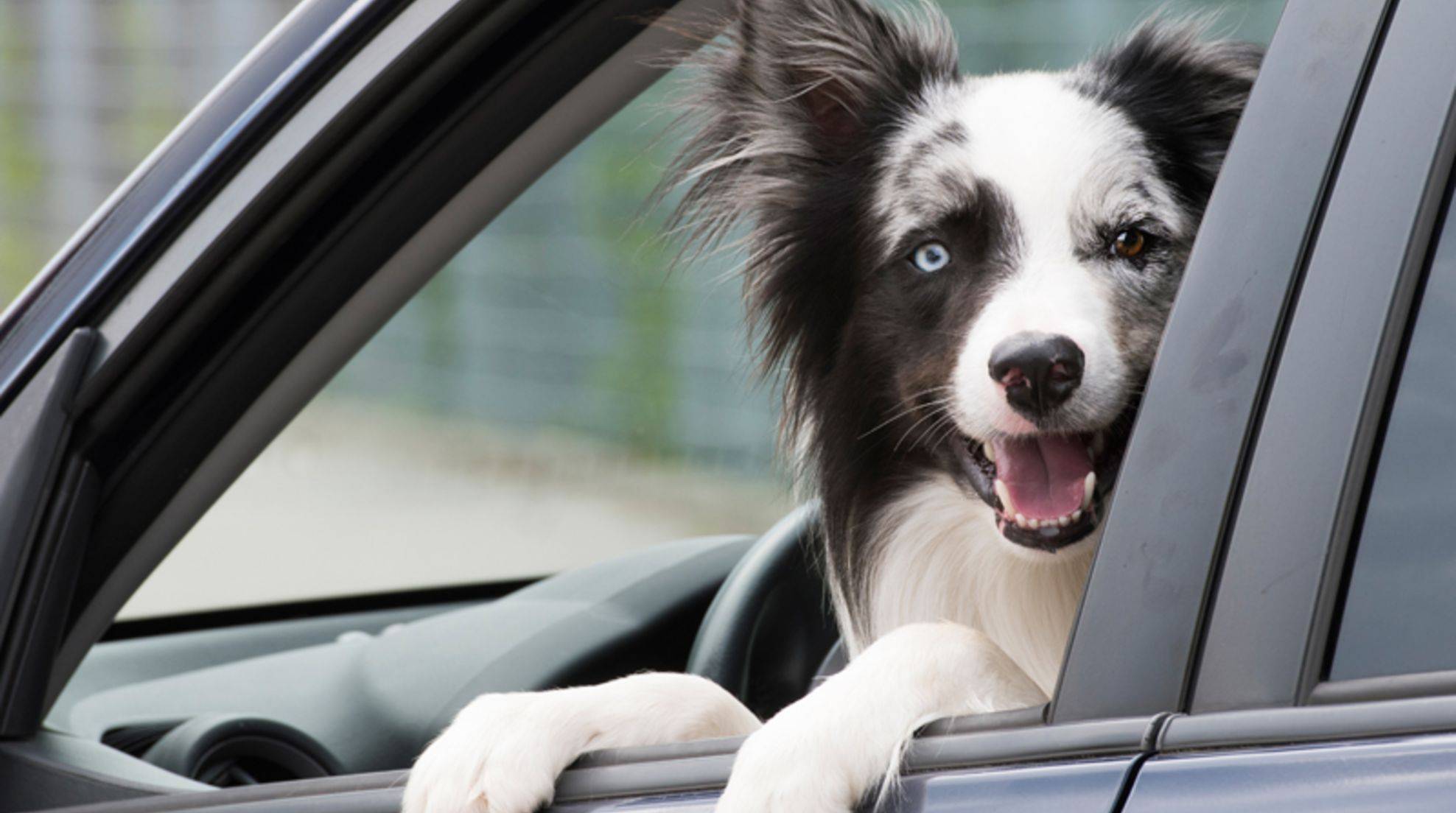
Anxious dogs also tend to drool. Thus, numerous dogs drool while driving. This is usually caused by nervousness or travel nausea.
For this reason, it is advisable to accustom the dog to driving in the car slowly. For example, just put him in the car the first few times without driving off. This will ease his excitement.
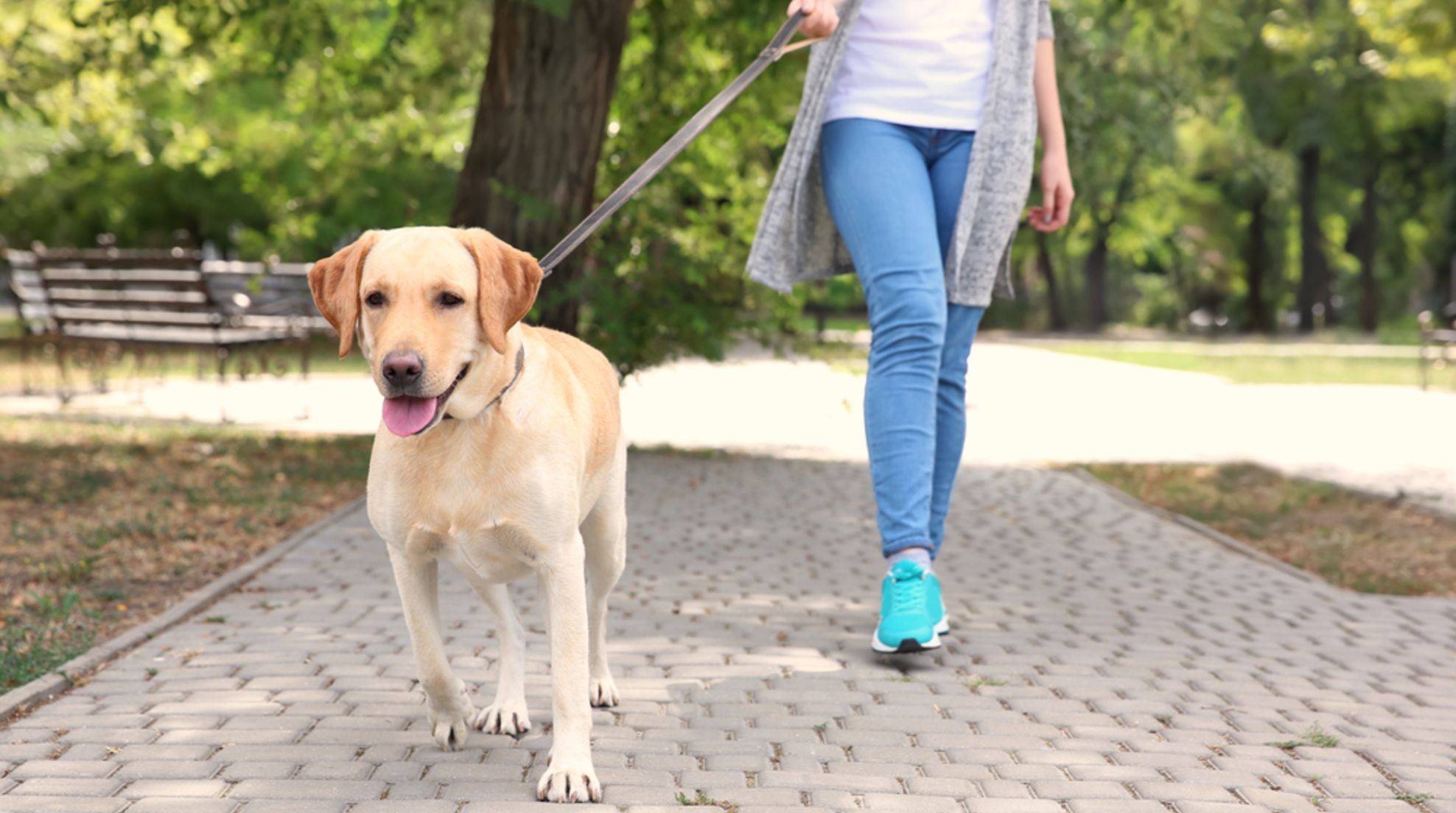
Meeting other dogs, for example, when walking, can also cause stress and excessive salivation in your dog.
- undefinable pain
When a dog drools and whines simultaneously or refuses to move, this is often his way of telling you that he is in pain. The causes of this can be many, and you should see the vet.
- side effect of medication
Is your dog currently taking medication? Severe drooling can occur as a side effect of some medications. A look at the package insert provides certainty. In this case, it makes sense to consult with your veterinarian. The veterinarian may prescribe an alternative preparation with less pronounced side effects.
7 Suspicion of poisoning
The fact that a dog suddenly drools heavily can also indicate poisoning. If the four-legged friend has ingested poisonous plants or other toxic substances, or if he has fallen victim to poison bait, excessive salivation may be a symptom. Usually, poisoning is accompanied by other symptoms such as vomiting, tremors, convulsions, and unconsciousness.
If your dog drools extremely and you suspect poisoning behind it, fast action is required. It applies: Immediately to the veterinarian!
- clarify diseases
If you exclude all the reasons above, salivation can also have deeper causes. Liver diseases and stomach problems, and an abscess or tumor can be among the triggers. A condition of the salivary gland is also possible.
If the heavy salivation continues for a more extended period despite your efforts, comprehensive examinations at the veterinarian are necessary.