Home

Dog photo tips: the right way to handle the dog

Dog photo tips: the right way to handle the dog

Dog photo tips: the right way to handle the dog

One thing above all is essential for the perfect dog photo: a good mood. Only if you and especially your four-legged friend have fun, the images will be beautiful and lively. Here you will find tips for the proper handling of your four-legged friend at the shooting so that the lighting, technology, location, and Co. can optimally put your dog in the scene.

Would you hang or put a dog photo in the living room, on which your dog looks bored, sad, or even angry? Probably not. Therefore, you should ensure a good mood. With the following tips, you can bring fun into the picture.

Allow enough time for taking pictures.

You don’t have to do much differently than usual when dealing with your dog for the photoshoot to succeed. Just be patient and don’t put yourself or your four-legged friend under pressure to succeed. If you are stressed or rushed, this will affect your dog, which is anything but conducive to a dog photo. Therefore, be sure to allow yourself enough time for the shoot. Choose a day off and go out with your woof and the camera on Sundays, for example.

Tips for the shooting: treats, toys, and fun

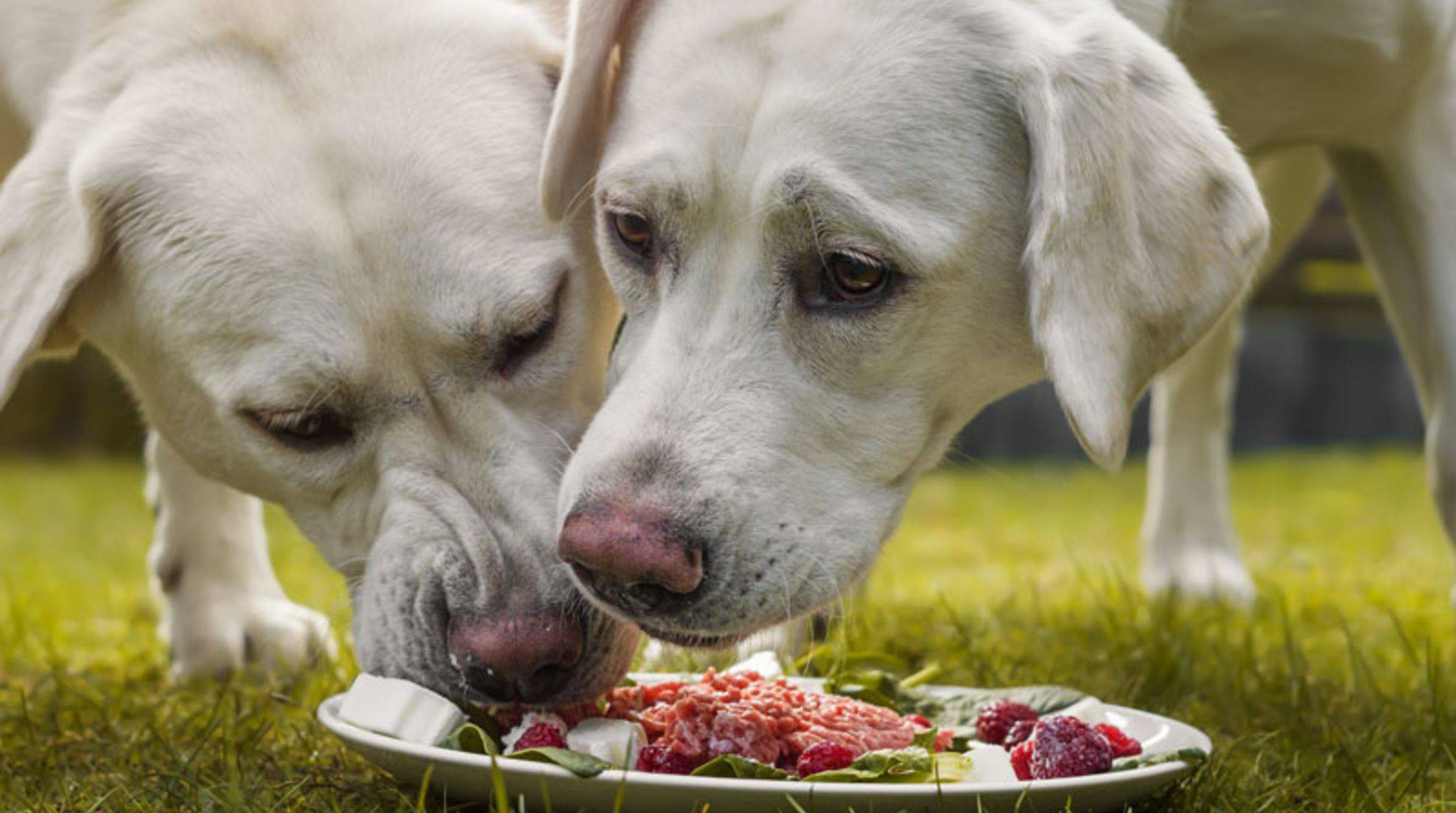
Especially if you want to shoot a still photo – a picture where your dog is standing or sitting firmly, for example – rewards are helpful. Your animal model’s patience needs to be rewarded, which is why bringing dog treats is a good idea.

You are also recommended to keep the dog’s mind happy: The favorite toy. Make it easy for your dog to model with dog toys to keep things from getting tiring or boring. Be sure to build in breaks between photos where you play together.

Give the dog free rein.

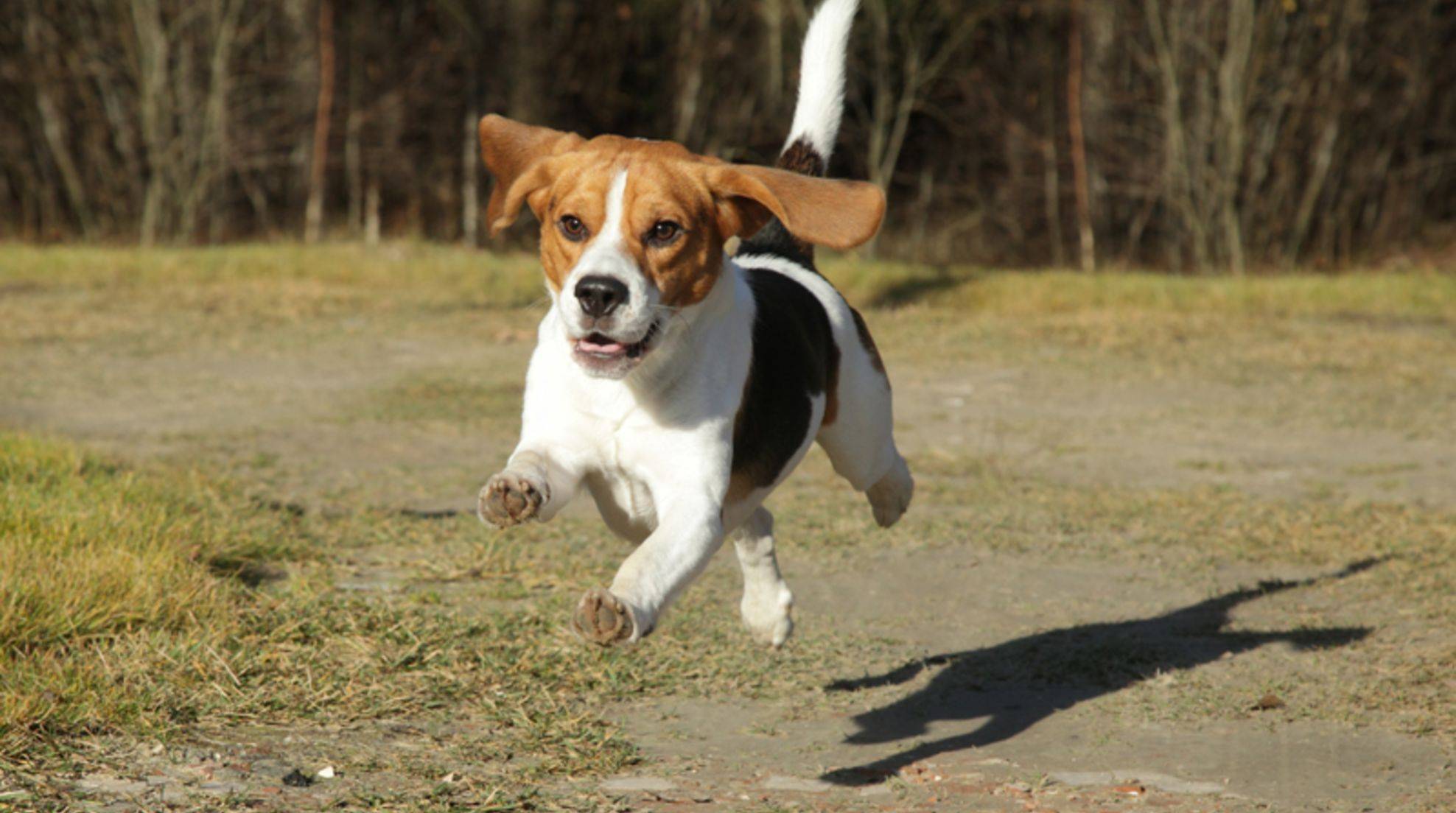
It’s a matter of taste, but many dog owners find lively dog photos where the dog runs, plays jumps, or romps more exciting and beautiful than rigid pictures. So find a good spot – maybe your dog even has a favorite place – and hold the camera on it while he’s having fun. The joyful, active dog’s face in the later photos will prove this advice right.

HZOES.COM

HZOES.COM

Cute and funny, info and tips about dogs, cats and other animals. Great pictures and funny videos from the animal world. Your animals on hzoes.com

More articles from dog

Is vegan dog food healthy?
Dog Food

Is vegan dog food healthy?

Is vegan dog food healthy? Some pet owners who eat a meat-free diet or a diet completely free of animal products also want to pass …

Read More →
Bathing dogs: These mistakes you should avoid
Dog Keeping

Bathing dogs: These mistakes you should avoid

Bathing dogs: These mistakes you should avoid There are many reasons why a bath is worthwhile for your dog. But whether he’s in the mood …

Read More →
Heartburn in dogs: what can be done?
Dog Health

Heartburn in dogs: what can be done?

Heartburn in dogs: what can be done? Not only do people have heartburn, but a dog can also suffer from hyperacidity of the stomach contents. …

Read More →
Feeding Chihuahua correctly: tips on nutrition
Dog Food

Feeding Chihuahua correctly: tips on nutrition

Feeding Chihuahua correctly: tips on nutrition Wet or dry food: What is the ideal diet for your Chihuahua? And how much food does the little …

Read More →
High meat content in dog food: that's why it's important
Dog Food

High meat content in dog food: that’s why it’s important

High meat content in dog food: that’s why it’s important When it comes to dog food, it is often said that grain is bad for …

Read More →
Companion and companion dogs such as the Maltese, Pug or Poodle, for example, are usually friendly, peaceful and people-oriented. Herding dogs, working dogs and working dogs such as the German Shepherd, the Bernese Mountain Dog or Australian Shepherd also enjoy working with people and are obedient and loyal if well trained. St. Bernards, Leonbergers and Newfoundlands are also stoically calm. Some hunting dog breeds, such as the friendly Beagle, the Labrador or Golden Retriever with their pronounced "will to please", are also good therapy dogs with proper socialization. Whether you choose a large, medium or small dog for animal-assisted therapy depends on its area of use. Larger dogs are more suitable for working with children and adolescents, while smaller four-legged friends are more suitable for the elderly, as they can sit on your lap or snuggle up in bed.
Dog Buying

Therapy dogs: Which four-legged friends are suitable? Unlike assistance dogs, therapy dogs are not specially trained for a single patient. Rather, together with their owner, …

Read More →
This site uses cookies

By continuing to use our site, you agree to our T & Cs and the use of our Cookies & amp;trackers as well as those of our partners in order to offer you content, services, personalized advertising and to generate statistics & amp; audience analysis.