
Home

Education: This is important for the Labrador

Education: This is important for the Labrador

Education: This is important for the Labrador

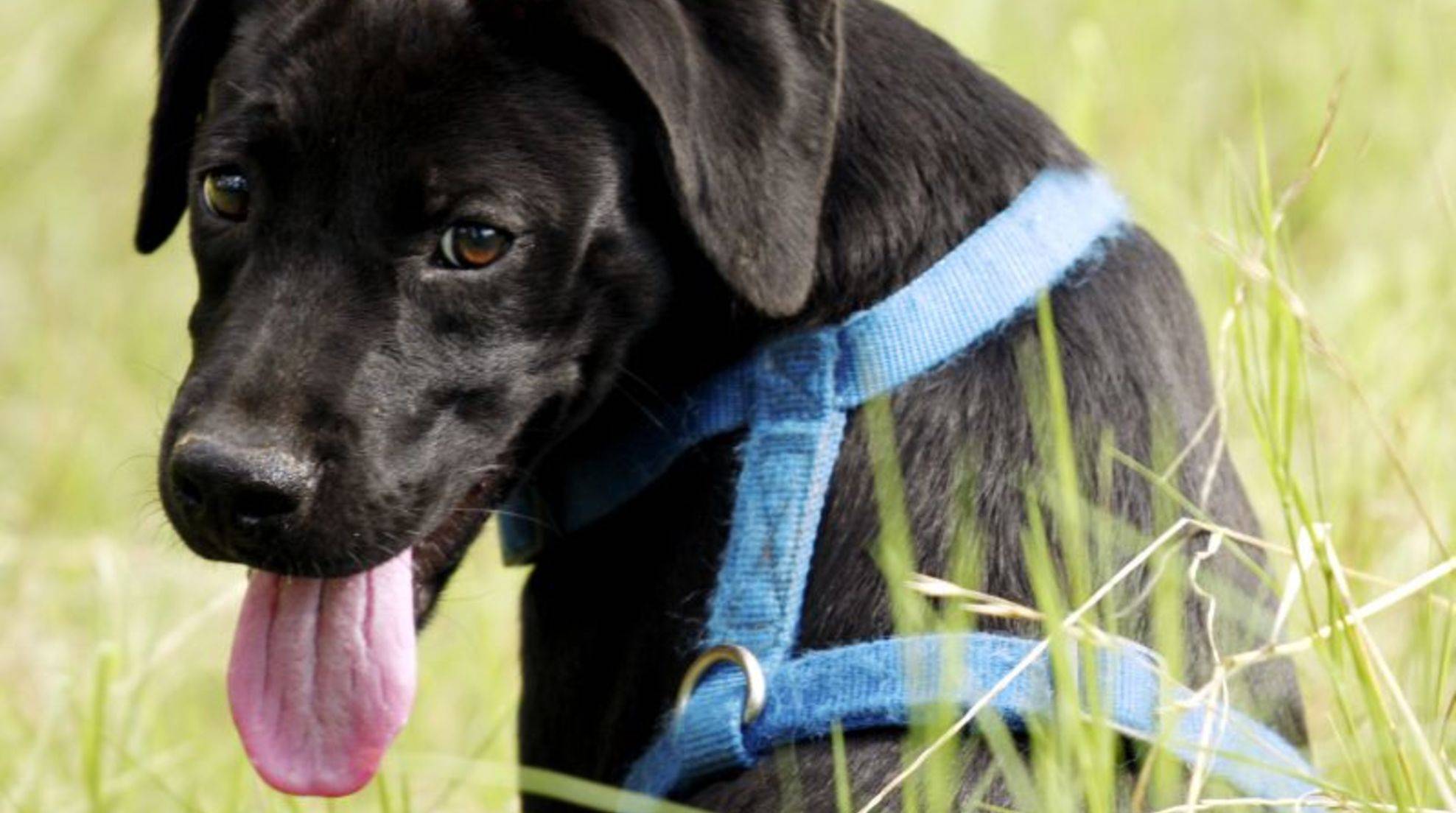
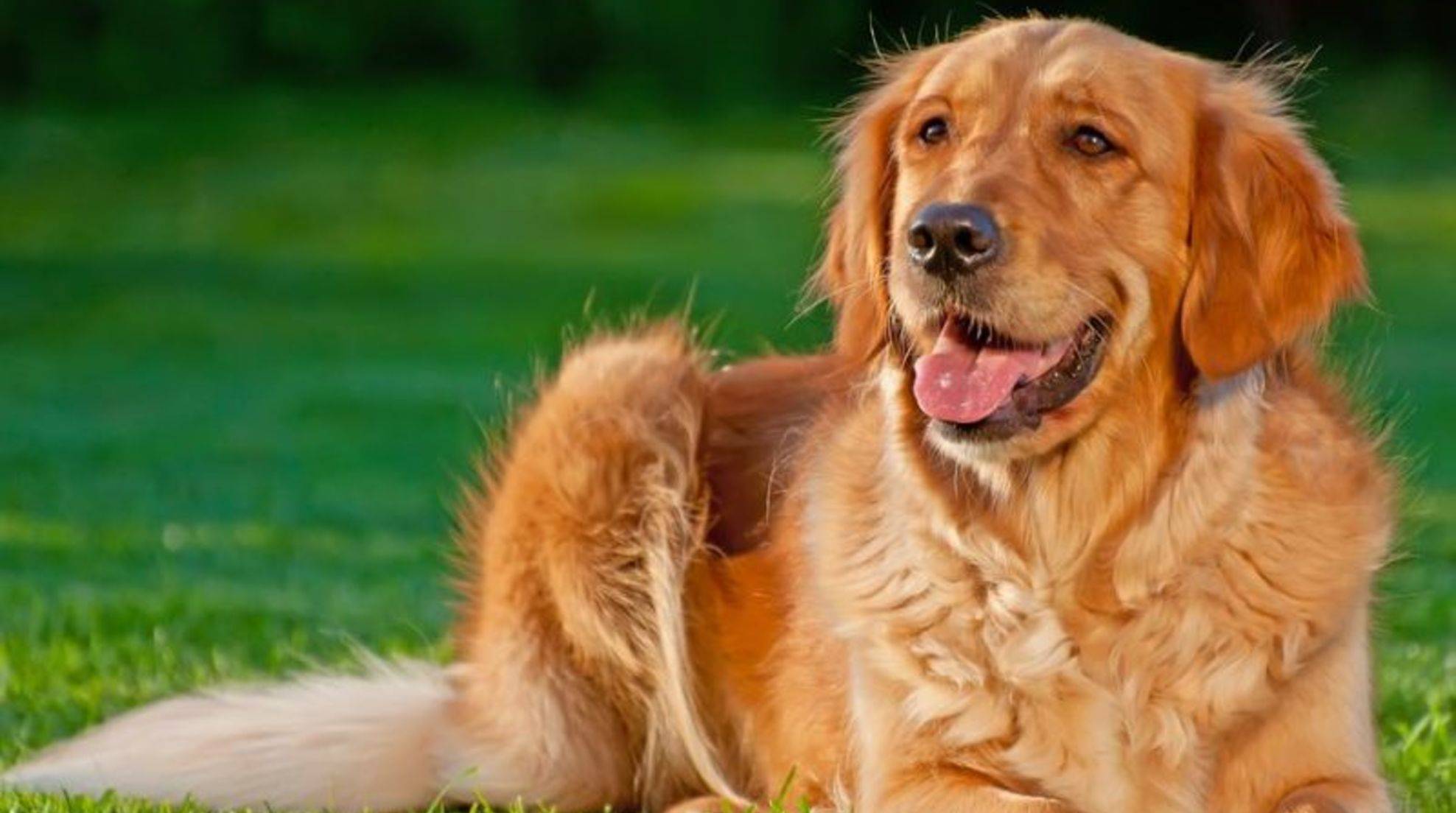
The Labrador Retriever is an intelligent and docile dog. This makes his upbringing usually relatively uncomplicated. Nevertheless, you should pay attention to a few things – which are, you will learn here.

The education of the Labrador is also suitable for beginners. A fair amount of consistency is, of course, required, as well as a large portion of empathy. But the four-legged friend is very motivated, learns quickly, and wants to please his human (“will please”). Different commands and orders accept a Labrador usually very quickly.

Education: Starting early is important
It would help if you started with the education of your new animal roommate very early. In puppyhood, the four-legged friend should learn to become house-trained and understand first commands. As with all other dog breeds, it is also essential with the Labrador that you always give the authorities the same tone of voice, such as “Sit” always pronounced in the same voice style. This will make it easier for your four-legged friend to assign and implement commands correctly. In puppy or dog school, you can get support in training your Labrador if necessary.

You will usually achieve very positive results when training this breed with treats and praise. Labradors are very teachable and usually take to new lessons well and quickly.

Consistency in the education of the Labrador is essential.

What specific rules you set for your Labrador is up to your discretion. You decide for yourself, for example, whether the dog may enter the bedroom or lie on the sofa. The four-legged friend must follow these rules from the beginning. If the dog disobeys the law, it often helps to give him a long, punishing stare. But you can also teach him the command “no.

This is what you should look for in a Labrador.

This dog is amiable and open – even too loose for some people. With its enthusiastic nature, the Labrador, mainly because of its size, does not meet with enthusiasm everywhere. It is essential in training to teach him a certain restraint with strangers from an early age. Your dog should not greet every person with overzealous jumping – even if he only means well. Since Labradors are often very affectionate and focused on their master or mistress, they are not good at staying alone. You must also take this into account when training your four-legged friend and teach him to occasionally be on his own and not have people around him all the time.

Likewise, it would help if you did not underestimate the temperament of your Labrador. Animals enjoy learning and want to be challenged. Functioning as a cuddly family dog alone is not enough to keep your Labrador busy. For example, you could teach him to retrieve. Your dog is predestined for this; after all, the English word for retrieve, “retrieve,” is already in his full name: Labrador Retriever. Consequently, the training is easy for most animals, and they get employment and exercise simultaneously.


HZOES.COM

HZOES.COM

Cute and funny, info and tips about dogs, cats and other animals. Great pictures and funny videos from the animal world. Your animals on hzoes.com

More articles from dog

Snout grip in dogs: Is it suitable for dog training?
Dog Training

Snout grip in dogs: Is it suitable for dog training?

Snout grip in dogs: Is it suitable for dog training? The muzzle grip is used by some dog owners as a kind of “panacea” in dog …

Read More →
Dog in the office: what rules do you need to follow
Dog Keeping

Dog in the office: what rules do you need to follow

Dog in the office: what rules do you need to follow A dog in the office can positively affect the working atmosphere at the workplace. …

Read More →
Great Dane and Great Dane: What is the difference?
Dog Buying

Great Dane and Great Dane: What is the difference?

Great Dane and Great Dane: What is the difference? Are the Great Dane and the Great Dane the same breed? To answer the question about …

Read More →
Companion and companion dogs such as the Maltese, Pug or Poodle, for example, are usually friendly, peaceful and people-oriented. Herding dogs, working dogs and working dogs such as the German Shepherd, the Bernese Mountain Dog or Australian Shepherd also enjoy working with people and are obedient and loyal if well trained. St. Bernards, Leonbergers and Newfoundlands are also stoically calm. Some hunting dog breeds, such as the friendly Beagle, the Labrador or Golden Retriever with their pronounced "will to please", are also good therapy dogs with proper socialization. Whether you choose a large, medium or small dog for animal-assisted therapy depends on its area of use. Larger dogs are more suitable for working with children and adolescents, while smaller four-legged friends are more suitable for the elderly, as they can sit on your lap or snuggle up in bed.
Dog Buying

Therapy dogs: Which four-legged friends are suitable? Unlike assistance dogs, therapy dogs are not specially trained for a single patient. Rather, together with their owner, …

Read More →
Constipation in dogs: causes, symptoms and what helps against it
Dog Health

Constipation in dogs: causes, symptoms and what helps against it

Constipation in dogs: causes, symptoms and what helps against it If constipation in dogs occurs only occasionally and temporarily, there is usually no cause for …

Read More →
Inflamed anal glands in dogs: symptoms, causes, treatment
Dog Health

Inflamed anal glands in dogs: symptoms, causes, treatment

Inflamed anal glands in dogs: symptoms, causes, treatment The anal glands in dogs secrete scent marks so that the dog can mark its territory. Unfortunately, …

Read More →
This site uses cookies

By continuing to use our site, you agree to our T & Cs and the use of our Cookies & amp;trackers as well as those of our partners in order to offer you content, services, personalized advertising and to generate statistics & amp; audience analysis.