Home

Five health tips for dogs in winter

Five health tips for dogs in winter

Five health tips for dogs in winter

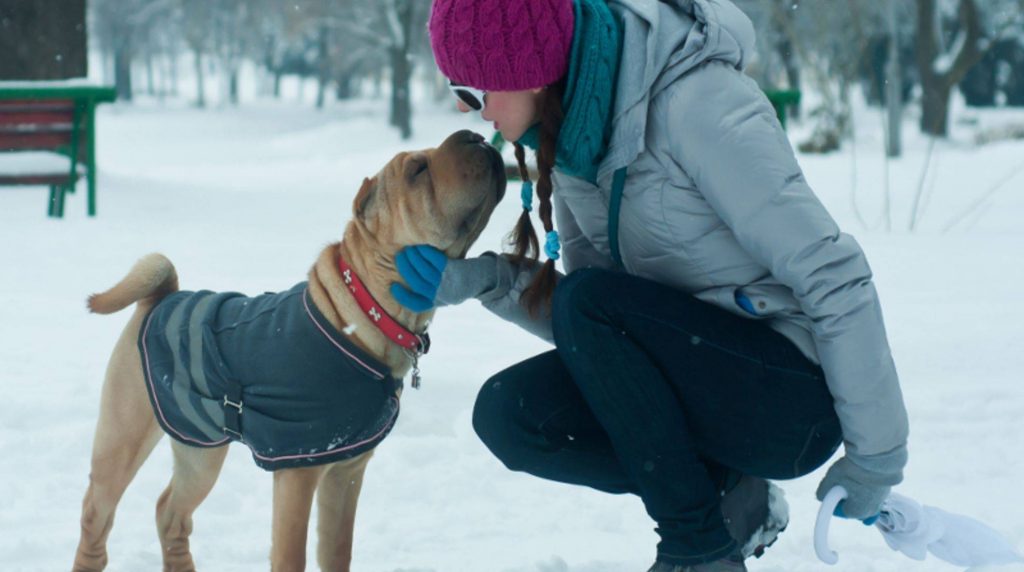
Anyone who has observed dogs in winter knows that most four-legged friends love this time of year. Fun factor number 1 is, of course, the snow. But as beautiful as the white goings-on are – when it comes to dog health, there are a few things you should keep in mind during the cold season.

Dipping your nose in the snow, catching snowflakes out of the air, and sprinting across a white winter meadow – all of this is fun, but it also poses dangers. The following five tips will help your Wuff stay healthy.

  1. watch out for hypothermia

On any winter walk, make sure your dog gets enough exercise. If it’s cold outside, dogs will freeze in the winter if their circulation is not active. However, if running, spotting, and retrieving occur, the cold usually doesn’t bother your woof. By the way, just as in midsummer, don’t lock dogs in the car for too long in winter. The vehicle can quickly become an ice chest. Hypothermia danger also threatens with long waiting outside, for example, before the supermarket.

  1. paw care for dogs in winter

Make sure that your dog always has as short as possible fur between the toes in winter, and cut the paw hairs regularly, especially for long-haired snow lovers. Otherwise, snow and ice can get stuck there, often resulting in hard, painful ice pellets between the toes that can cause inflammation. Don’t forget: In addition to the fur on the paws, the rest of the dog’s coat also needs more care than usual in winter.

  1. on safe paths: Avoid road salt and grit

In winter, some roads and paths are mainly covered with road salt or grit. What helps people not to slip sometimes harms sensitive dog paws. The pads react quickly with slight injuries or inflammations. Tip: Use paw protection wax available in specialized shops – this protects against a bunion injury caused by road salt. An alternative is special paw protection shoes for dogs. However, most dogs have to get used to these garments in winter.

  1. dog clothes can be useful

Dog clothes are advisable for some dogs in winter. Usually, furry noses do not freeze with enough exercise – but some dog breeds need it especially warm. For animals with little or short fur and weakened, sick, or older dogs, dog clothing is advisable in winter at sub-zero temperatures.

  1. the proper nutrition in winter

Experts still argue whether dogs need more food in winter due to a higher energy requirement. As a rule, four-legged friends do not have an increased energy requirement – other food often only affects excess weight. Just pay attention to a healthy and balanced dog diet as usual. If you like, you can feed a dog food with additional vitamins in winter – it is best to consult your vet about this.

HZOES.COM

HZOES.COM

Cute and funny, info and tips about dogs, cats and other animals. Great pictures and funny videos from the animal world. Your animals on hzoes.com

More articles from dog

Do dogs use the dachshund look deliberately?
Dog Keeping

Do dogs use the dachshund look deliberately?

Do dogs use the dachshund look deliberately? Woofed like! When dogs want something, they tilt their head to the side and make their mistress or …

Read More →
Dog drinking from the toilet: Is it dangerous?
Dog Health

Dog drinking from the toilet: Is it dangerous?

Dog drinking from the toilet: Is it dangerous? Quite disgusting: your dog drinks the water from the toilet. But the strange preference for the unique …

Read More →
Companion and companion dogs such as the Maltese, Pug or Poodle, for example, are usually friendly, peaceful and people-oriented. Herding dogs, working dogs and working dogs such as the German Shepherd, the Bernese Mountain Dog or Australian Shepherd also enjoy working with people and are obedient and loyal if well trained. St. Bernards, Leonbergers and Newfoundlands are also stoically calm. Some hunting dog breeds, such as the friendly Beagle, the Labrador or Golden Retriever with their pronounced "will to please", are also good therapy dogs with proper socialization. Whether you choose a large, medium or small dog for animal-assisted therapy depends on its area of use. Larger dogs are more suitable for working with children and adolescents, while smaller four-legged friends are more suitable for the elderly, as they can sit on your lap or snuggle up in bed.
Dog Buying

Therapy dogs: Which four-legged friends are suitable? Unlike assistance dogs, therapy dogs are not specially trained for a single patient. Rather, together with their owner, …

Read More →
Ticks in dogs as vectors of diseases
Dog Health

Ticks in dogs as vectors of diseases

Ticks in dogs as vectors of diseases Ticks on dogs are unpleasant and annoying, but they can also transmit various diseases. We want to list …

Read More →
Puppy or adult dog: what dog suits you
Dog Buying

Puppy or adult dog: what dog suits you

Puppy or adult dog: what dog suits you Whether a puppy or an adult dog – before acquiring one, you should carefully consider which four-legged …

Read More →
Why dogs should not drink from puddles
Dog Health

Why dogs should not drink from puddles

Why dogs should not drink from puddles Most dogs love to drink from puddles while walking to quench their thirst. Moreover, puddles smell extremely interesting …

Read More →
This site uses cookies

By continuing to use our site, you agree to our T & Cs and the use of our Cookies & amp;trackers as well as those of our partners in order to offer you content, services, personalized advertising and to generate statistics & amp; audience analysis.