French and English Bulldog: what is the difference?
The French Bulldog and the English Bulldog can be easily distinguished already by their appearance. The difference is especially visible in the ears. Whether the lovable dogs also differ in attitude and care?
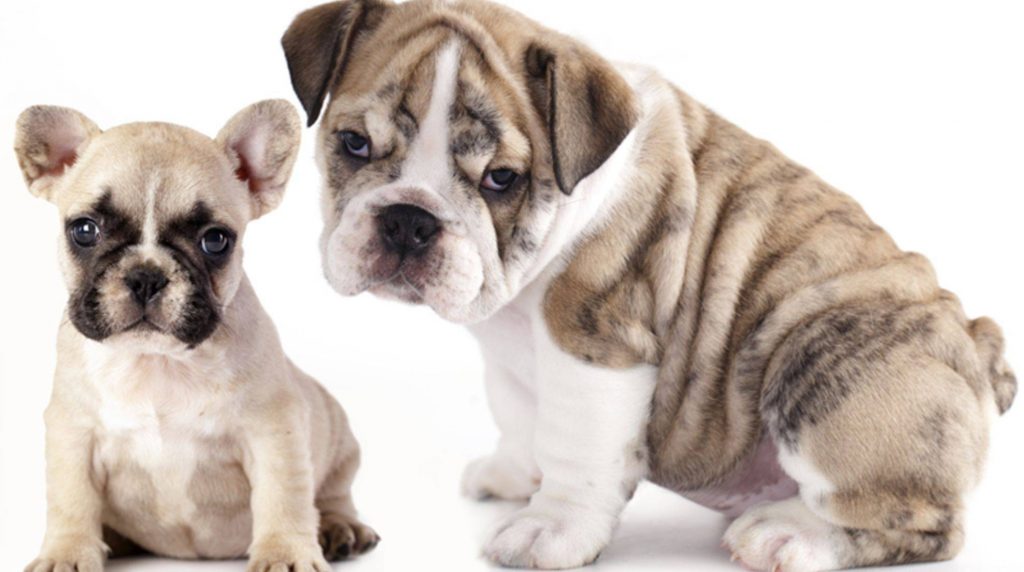
While the French Bulldog has erect ears, the English Bulldog has cropped ears. In addition, the British cousin of the bat-eared dogs is larger than its French counterpart.
This is how English and French Bulldogs differ visually
The English Bulldog also stands out in contrast to its French cousin due to its large head, which makes it appear more massive and stocky overall than the more petite French Bulldog. The underbite is also more pronounced in English Bulldogs than in their French cousins.
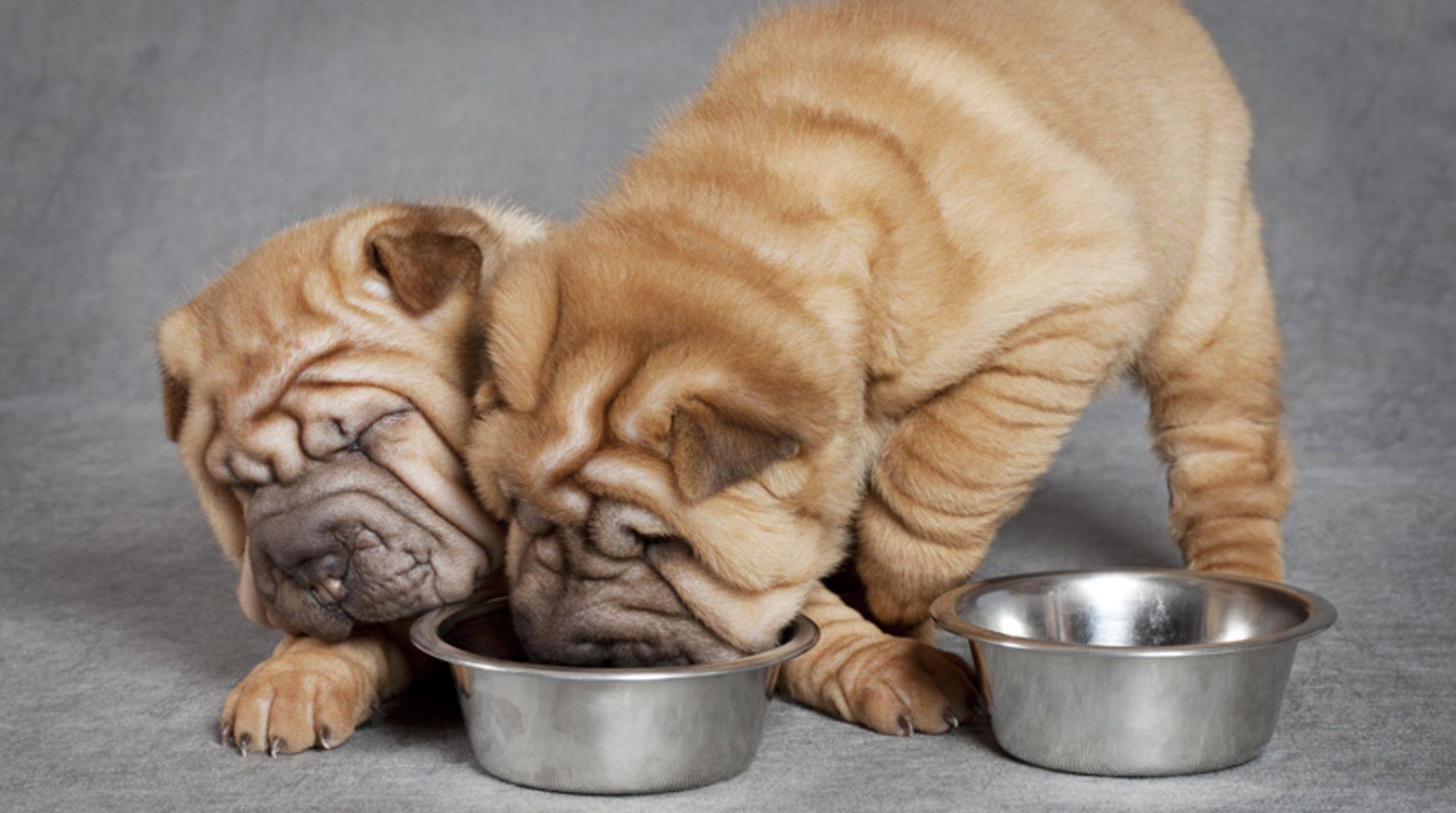
Skin folds are a characteristic feature of both Bulldog varieties, but they are even slightly deeper in the English Bulldog than in the French Bulldog.
Difference in attitude and care?
The French Bulldog likes to please its master and mistress and is therefore relatively easy to train. The English Bulldog, in contrast, needs somewhat more experienced dog owners, as they are relatively stubborn. You should be even more consistent with the English Bulldog than with the little bat ears, but remain fair. Bulldogs are quite sensitive and do not like too sharp a tone.
Both the English Bulldog and the French Bulldog are prone to shortness of breath and their wrinkles should be cleaned and groomed regularly. The French dogs freeze easily in cold weather and may need a winter coat. Their English relatives, on the other hand, tend to suffer more in the summer. They should not have to move too much then and should get enough water and have a shady place to rest.
Life expectancy of the two bulldog breeds
On average, the French Bulldog has a slightly longer life expectancy than the English Bulldog. While the English variety will live an average of eight to ten years, you can expect the French dogs to live ten to twelve years. However, how old your dog will ultimately live depends on a number of factors, not just the breed. With species-appropriate employment, a healthy diet, regular check-ups at the vet (especially as they get older), and loving, consistent training, dogs can definitely live to be older than average. Overweight, too little exercise or overwork, on the other hand, can shorten their life expectancy.