Home

Germanic bear dog: species-appropriate husbandry

Germanic bear dog: species-appropriate husbandry

Germanic bear dog: species-appropriate husbandry

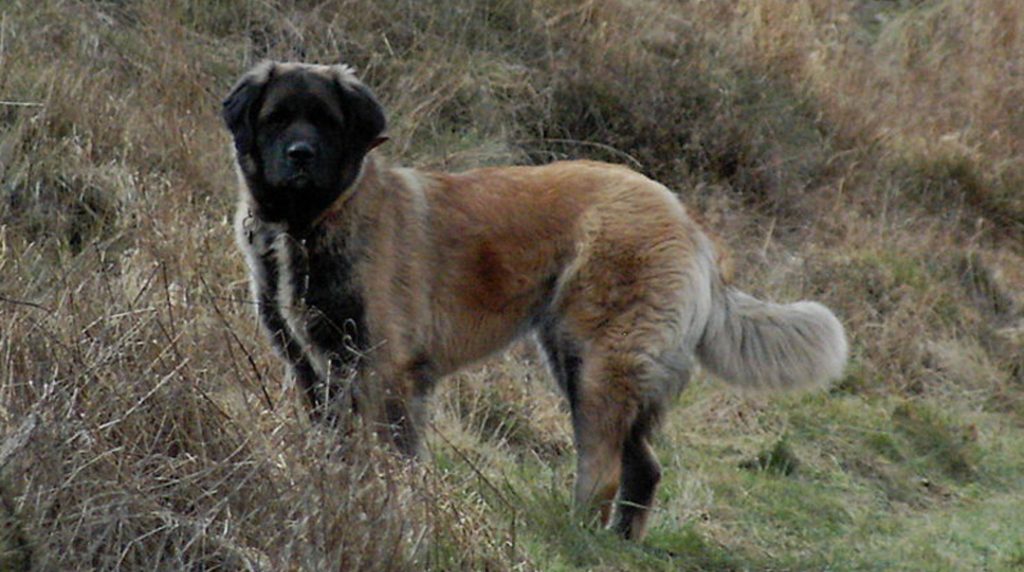
A Germanic Bear Dog is not suitable for every household. Due to its imposing size, keeping it in the city is rather not recommended. A farm or a house with a large garden, on the other hand, is the purest paradise for this breed.

With a height at the withers of up to 85 centimeters, a Germanic Bear Dog is one of the very large dogs. Especially because of its size, a species-appropriate attitude for these gentle giants is a challenge. In concrete terms, this means that an animal of its size has no place in a city apartment.

Germanic Bear Dog: Perfect for families

A Germanic Bear Dog is a very family-oriented four-legged friend. He seeks closeness to humans and does not want to be separated from his master for too long. Among other things, this is due to the protective instinct that this dog breed has developed over many years. So plan enough time for him. The good-natured giant prefers to lie near his owners and watch what is going on. When he has his “herd” around him, all is right with the world for him. By the way, the prudent four-legged friend has something else going for him: he barks only very rarely and thus does not necessarily attract the attention of your neighbors, at least acoustically.

Species-appropriate attitude: The main thing is a lot of space

A Germanic Bear Dog also needs a lot of exercise. A large farm is ideal, but you can also keep the large four-legged friend in a spacious garden. If you can’t call a large garden your own, there should at least be a wooded area or a spacious meadow in the immediate vicinity, where a Germanic Bear Dog can really let off steam. In the city, however, this dog breed should not be kept. Because neither in a small apartment nor on the crowded streets of a big city, the large four-legged friend can develop properly.

Germanic Bear Dog: employment and dog sports

The Germanic Bear Dog is happy to have the opportunity to act out his protective instincts, for example as a guard dog for your house or property. Extended but relaxed walks will also do him good. In addition, you can try search games with him by hiding treats in the apartment or in the garden and help your dog to find them. Due to his size, not every dog sport is suitable for him – he would not have fun in agility training or dog dancing. However, many Germanic Bear Dogs like water and swimming – it’s easy on the joints and keeps them fit. Fetch games are equally suitable to keep your dog busy. Like many large dog breeds, a Germanic Bear Dog can also be enthusiastic about pulling dog sports. However, make sure that you start the training only when he is fully grown.

HZOES.COM

HZOES.COM

Cute and funny, info and tips about dogs, cats and other animals. Great pictures and funny videos from the animal world. Your animals on hzoes.com

More articles from dog

Agility training for the dog: tips for beginners
Dog Training

Agility training for the dog: tips for beginners

Agility training for the dog: tips for beginners Agility training promotes the fitness and concentration of the four-legged friends and the human-dog relationship. If you …

Read More →
Dog demands too much attention: causes and five tips that help
Dog Training

Dog demands too much attention: causes and five tips that help

Dog demands too much attention: causes and five tips that help Dogs usually like to be noticed and quickly learn how to get the attention …

Read More →
Shepherd dogs, guard dogs, herding dogs: difference?
Dog Buying

Guard dogs, herding dogs, herding dogs: difference?

Guard dogs, herding dogs, herding dogs: difference? Shepherd dogs, guard dogs, herding dogs: When it comes to dog breeds that were originally bred as working …

Read More →
Companion and companion dogs such as the Maltese, Pug or Poodle, for example, are usually friendly, peaceful and people-oriented. Herding dogs, working dogs and working dogs such as the German Shepherd, the Bernese Mountain Dog or Australian Shepherd also enjoy working with people and are obedient and loyal if well trained. St. Bernards, Leonbergers and Newfoundlands are also stoically calm. Some hunting dog breeds, such as the friendly Beagle, the Labrador or Golden Retriever with their pronounced "will to please", are also good therapy dogs with proper socialization. Whether you choose a large, medium or small dog for animal-assisted therapy depends on its area of use. Larger dogs are more suitable for working with children and adolescents, while smaller four-legged friends are more suitable for the elderly, as they can sit on your lap or snuggle up in bed.
Dog Buying

Therapy dogs: Which four-legged friends are suitable? Unlike assistance dogs, therapy dogs are not specially trained for a single patient. Rather, together with their owner, …

Read More →
Behavioral problems in dogs: recognizing problems
Dog Health

Behavioral problems in dogs: recognizing problems

Behavioral problems in dogs: recognizing problems Whether excessive aggression, constant barking, or extreme anxiety – behavioral problems in dogs have many faces. The causes for …

Read More →
The dog has hip dysplasia? This diet helps
Dog Food

The dog has hip dysplasia? This diet helps

The dog has hip dysplasia? This diet helps Hip dysplasia – HD for short – is very painful for the affected dog. With the right …

Read More →
This site uses cookies

By continuing to use our site, you agree to our T & Cs and the use of our Cookies & amp;trackers as well as those of our partners in order to offer you content, services, personalized advertising and to generate statistics & amp; audience analysis.