Is the dog stubborn? Educate four-legged “stubborn
If a dog does not obey, it is quickly called “stubborn.” However, this is a misunderstanding because the four-legged friends do not simply behave stubbornly to annoy their master or mistress. As a rule, something went wrong during training, so that your furry nose merely has not yet learned the desired behavior.
The good news is that all dogs can be trained. However, with a dog that seems stubborn, this can be a bit more time-consuming and take more practice and nerves than with a four-legged friend with a strong “will to please” and good puppy training, who has already learned that obedience pays off for him.
Are dogs stubborn when they do not obey?
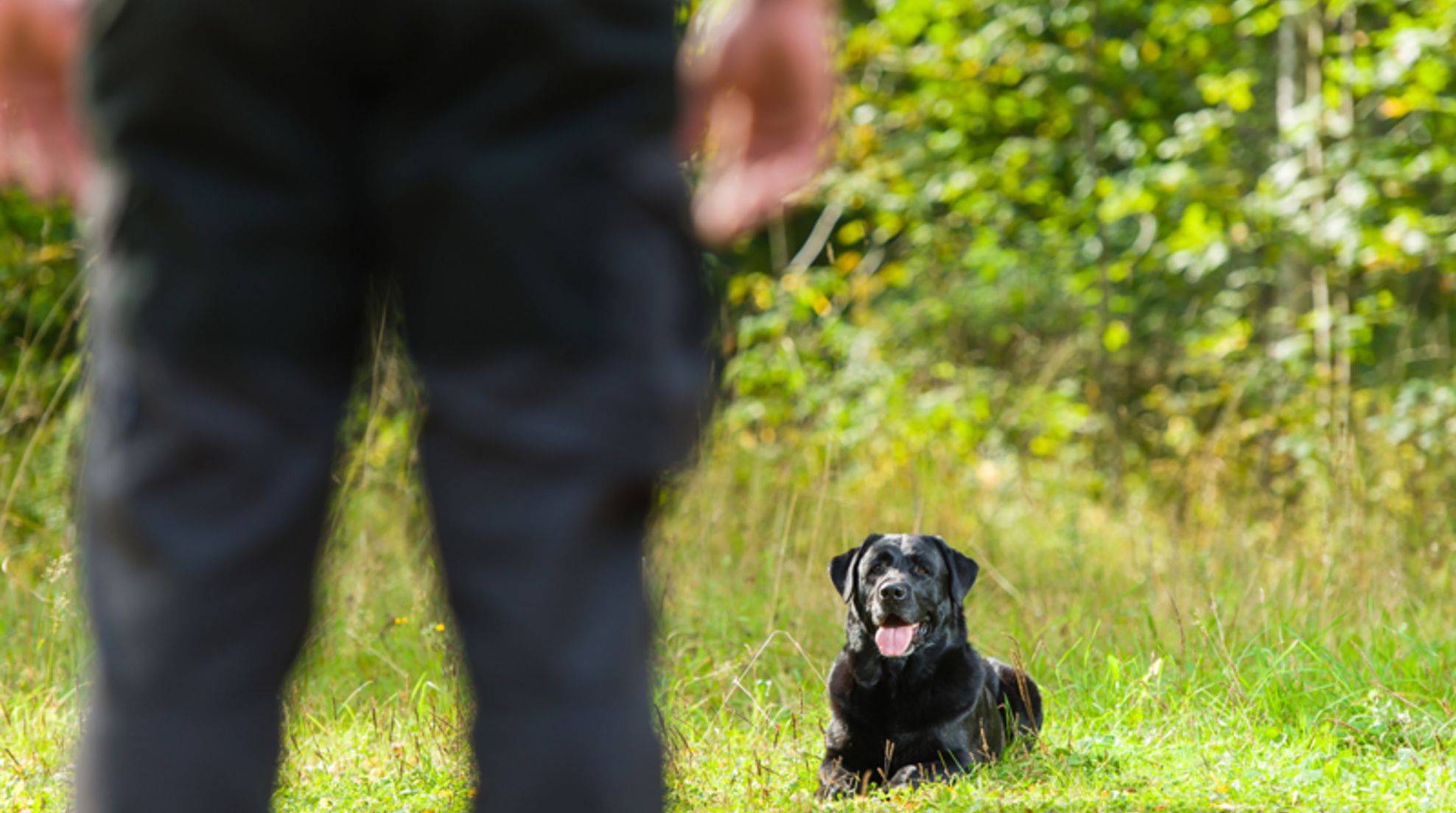
No, they are not. However, a dog can seem stubborn to its owner if he doesn’t obey a command he already knows in principle. “He knows exactly what to do! He’s just so stubborn!” frustrated dog owners then complain, no longer understanding the world. After all, Bello still obeyed when they trained “sit,” “down,” or “no” with him alone.
And this is often the misunderstanding: Just because your dog does what you ask him to do alone with you does not mean that he has internalized the command. He usually only needs to concentrate on you and the exercise; he is not distracted by exciting stimuli. However, the situation changes on the dog run, while walking, or when you have a visitor. So many new, exciting, and perhaps frightening impressions pelt the subtle cold-blooded dogs, and already they can no longer concentrate on the actual command. The only thing that helps is to practice more often with the dog and to increase the distractions slowly.
Other possible reasons why your dog does not obey are:
● He does not yet know the command
● He is confused because the order is not clear to him
● He sees no benefit to himself in following you
● Disobedience is more rewarding for him than obedience at that moment
“Stubborn” training: Patience and consistency
If your dog seems stubborn, it is recommended to arrange the lessons differently. Divide the training into smaller sections: Start with short sessions to practice a specific command without distractions. Once your four-legged friend has mastered the material, gradually increase the external stimuli so that he listens to you even under distraction. Slowly do this with all the commands you want to teach your woof.
Remember that dogs have limited frustration tolerance. If a lesson takes too long or the exercise is still too difficult for him, it will frustrate him too much, and he will not concentrate. This has nothing to do with your dog being stubborn and not wanting more, but simply being tired and overwhelmed. So be patient with him.
The signal for a specific behavior must always be the same. Otherwise, it will confuse your four-legged friend. Also, make sure that all family members pull together and use the same signal for the desired behavior. Otherwise, this will lead to inconsistency, which will confuse your dog.
Get the stubborn dog to cooperate: Increase incentive.
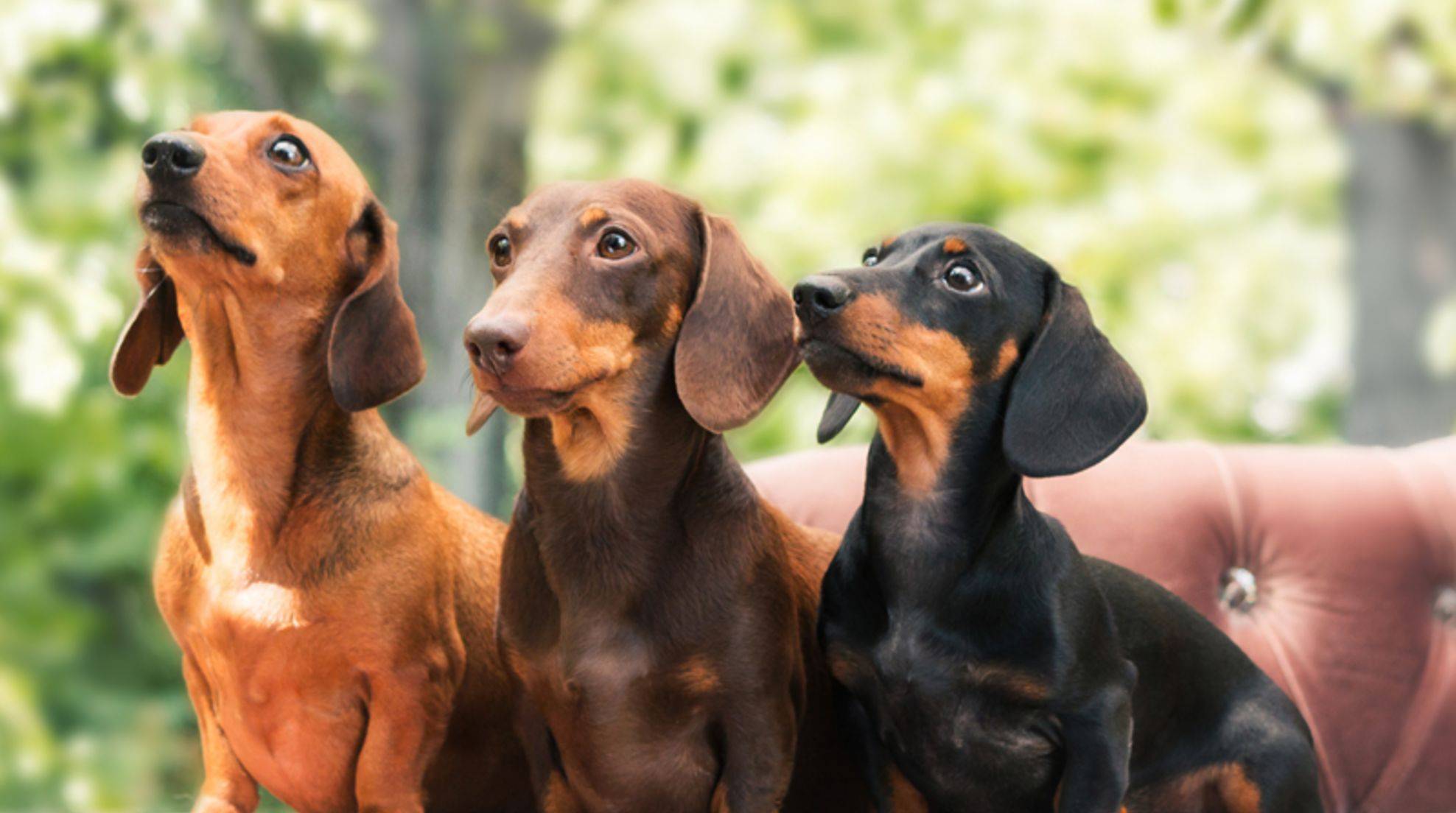
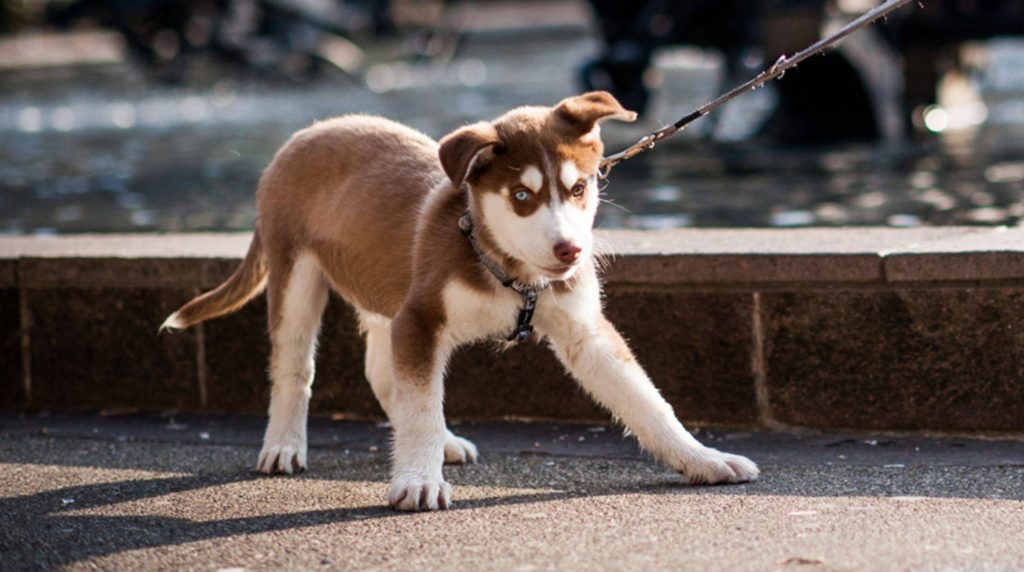
Some dog breeds are accused of stubbornness more often than others. These include various hunting dogs and guard dogs, and some working dogs bred to be independent. They tend to be particularly intelligent and ingrained in their instincts to make independent decisions and not rely wholly on humans. When you give a command, they carefully weigh whether it is worthwhile for them to obey or whether disobedience is not more interesting. For example, it is much more exciting for a hunt-motivated dog to follow a scent than to respond to your “Heel!” unless you offer him a really great reward in return.
Some dogs are just insatiable lickspittles, which you can always motivate to cooperate by giving them something to eat. These four-legged friends can usually be convinced with a piece of liver sausage or other treats that obedience is worthwhile for them. A more significant challenge is independent, intelligent, active dogs that are not interested in dog biscuits and Co. Here, you have to ensure that your dog gets enough exercise and works on his bond with your four-legged friend. Also, try out what your Wuff particularly likes: petting, favorite toys, and extensive praise.
Translated with www.DeepL.com/Translator (free version)