Home

Man’s best friend: Why are dogs so loyal?

Man's best friend: Why are dogs so loyal?

Man’s best friend: Why are dogs so loyal?

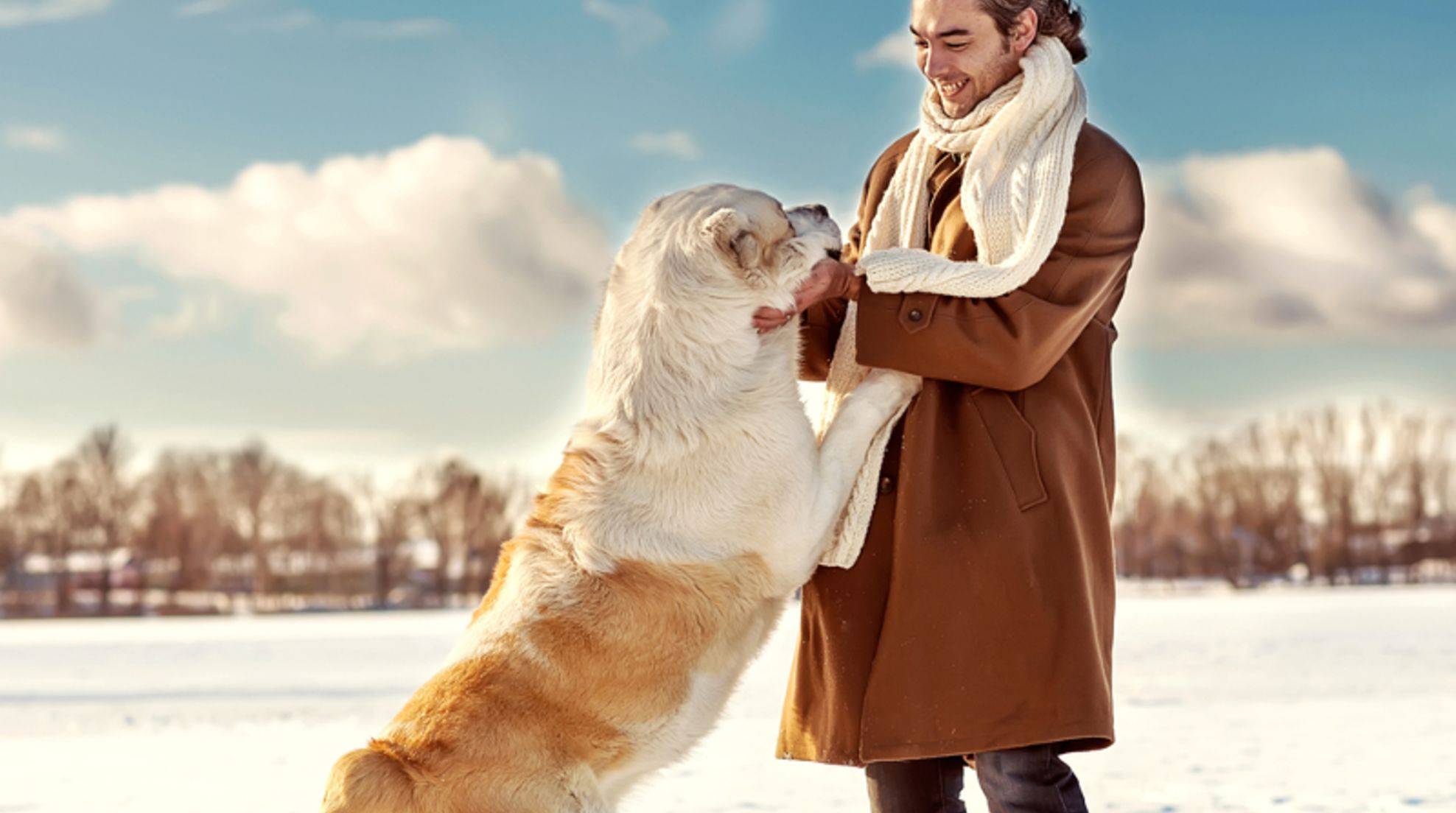
The dog is often called man’s best friend, but why are dogs so loyal? One reason: they are pack animals and instinctively develop a close bond with their caregivers.

When it comes to why dogs are so loyal, there are several possible answers. On the one hand, dogs are pack animals and see humans as direct members of their families. On the other hand, the dog itself is a susceptible animal and shows clear signs of empathy.

The pack as a reference group for the dog

Loyalty within a pack is a survival instinct in the wild. However, the question of a dog’s loyalty cannot be answered quite so simply. The role as “food giver” and “pack leader” alone is probably not the reason for the joy that dogs display when “their” human comes home.

Dogs are affectionate animals.

On the contrary, various studies have already proven that dogs are not only empathetic to the behavior of humans but can also communicate with them to a certain degree. They understand verbal and physical gestures and can interpret them correctly. On the other hand, humans showed the ability to “read” their quadruped behavior and barking signs. Many studies consider this ability to communicate with each other as one of the main bases to answer why dogs are so loyal.

HZOES.COM

HZOES.COM

Cute and funny, info and tips about dogs, cats and other animals. Great pictures and funny videos from the animal world. Your animals on hzoes.com

More articles from dog

Pavlov's dog and classical conditioning
Dog Training

Pavlov’s dog and classical conditioning

Pavlov’s dog and classical conditioning The so-called Pavlov’s dog stands for an experiment with which the famous natural scientist Ivan Petrovich Pavlov proved the phenomenon …

Read More →
This is what obedience training for the dog is all about
Dog Training

This is what obedience training for the dog is all about

This is what obedience training for the dog is all about Obedience training is often called the “high school” of dog sports. What exactly is …

Read More →
Why do dogs smell people's butts and animals?
Dog Keeping

Why do dogs smell people’s butts and animals?

Why do dogs smell people’s butts and animals? Dogs love to smell the bottoms of people and conspecifics. But why do they do this? To …

Read More →
Low and high stimulus threshold in dogs: what does it mean?
Dog Training

Low and high stimulus threshold in dogs: what does it mean?

Low and high stimulus threshold in dogs: what does it mean? In connection with dogs, there is often talk of stimulus threshold. But what exactly …

Read More →
4 Recognize and correct dog nutrition mistakes
Dog Food

4 Recognize and correct dog nutrition mistakes

4 Recognize and correct dog nutrition mistakes Sooner or later, mistakes in dog nutrition become noticeable externally. The dog loses weight or puts on a …

Read More →
Companion and companion dogs such as the Maltese, Pug or Poodle, for example, are usually friendly, peaceful and people-oriented. Herding dogs, working dogs and working dogs such as the German Shepherd, the Bernese Mountain Dog or Australian Shepherd also enjoy working with people and are obedient and loyal if well trained. St. Bernards, Leonbergers and Newfoundlands are also stoically calm. Some hunting dog breeds, such as the friendly Beagle, the Labrador or Golden Retriever with their pronounced "will to please", are also good therapy dogs with proper socialization. Whether you choose a large, medium or small dog for animal-assisted therapy depends on its area of use. Larger dogs are more suitable for working with children and adolescents, while smaller four-legged friends are more suitable for the elderly, as they can sit on your lap or snuggle up in bed.
Dog Buying

Therapy dogs: Which four-legged friends are suitable? Unlike assistance dogs, therapy dogs are not specially trained for a single patient. Rather, together with their owner, …

Read More →
This site uses cookies

By continuing to use our site, you agree to our T & Cs and the use of our Cookies & amp;trackers as well as those of our partners in order to offer you content, services, personalized advertising and to generate statistics & amp; audience analysis.