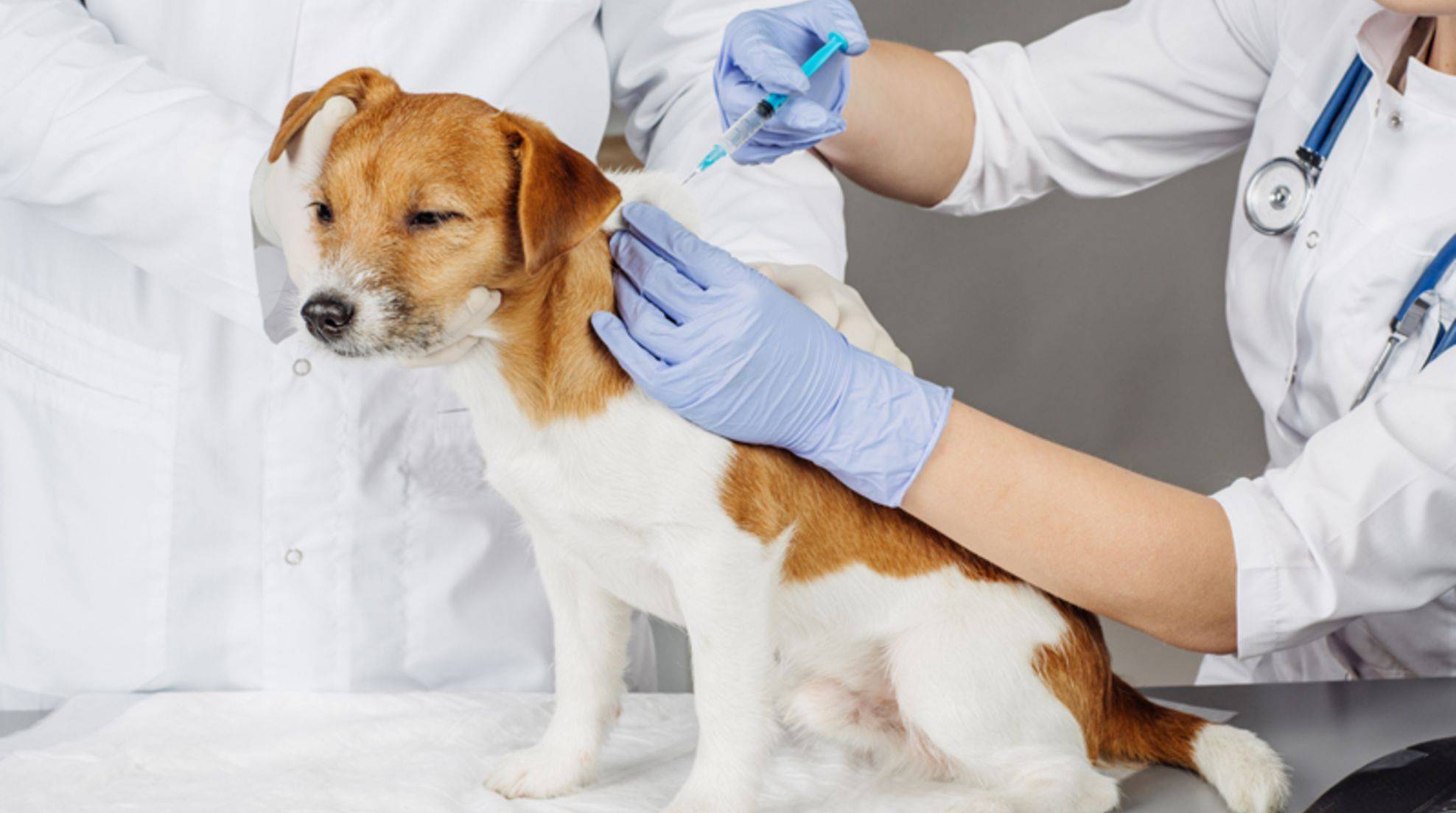

Rabies vaccination in dogs: is it necessary?
Rabies vaccinations are intended to prevent infection with the rabies virus. Although Germany has been considered virtually rabies-free since 2008, this is only the result of decades of consistent protective vaccination of as many animals as possible. Therefore, the permanent vaccination commission of the Federal Association of Practicing Veterinarians (BPT) recommends regular rabies vaccination in dogs. Here you can find out everything you need to know about this vaccination.
Many dog owners wonder whether rabies vaccination is essential – after all, the risk of infection for dogs is vanishingly tiny. However, the consequences of rabies infection are always fatal. Therefore, you should weigh carefully and discuss the vaccination with the veterinarian of your confidence.
Rabies vaccination: why you should have your dog vaccinated
Even though rabies is considered eradicated in Germany, there is still a risk of the disease being imported from other countries. Therefore, permanent vaccination protection in dogs is necessary to ensure the permanent containment of the deadly infectious disease. After all, if the dog has been infected with the rabies virus and the disease breaks out in it, it is always fatal. A gentler method would be to have the dog euthanized immediately after the virus is identified. In addition, the disease can be transmitted to humans. Here, too, the short course of the disease ends fatally since there is no practical treatment so far.
Wild animals transmit the rabies virus; in Germany, this was primarily foxes, but now mainly bats are carriers of the viruses. However, that rabid bats infect your dog is very unlikely because dogs rarely come into contact with bats under normal circumstances. Still minimal, but more significant is the risk of infection via dogs illegally imported from abroad, from regions where the disease is not yet considered eradicated. If your dog is not vaccinated against rabies and is bitten by a sick animal, then the national rabies ordinance requires your pet to be put down; because here, there is a reasonable suspicion of infection. Therefore, to be on the safe side, it is recommended to vaccinate your dog against rabies.
When and how often is the rabies vaccination necessary?
First of all, primary immunization of your dog is essential. After the third month of life, your puppy should receive the first vaccination. One month later, bring him for the second vaccination and one year later for the third vaccination for building up the immune protection. After that, a regular booster of vaccination protection is necessary. Today, it is no longer required to have your dog vaccinated against rabies every year; most vaccines last three years.
It is best to ask your veterinarian for advice to protect your dog from infection with a rabies vaccination that is valid for three years and write this in the vaccination certificate. For example, if you want to travel with your four-legged friend to a country where there is still an increased risk of rabies infection, your dog needs a valid vaccination.