Second dog: How to get two dogs used to each other
A second dog in the house can change your family life for the better. But keep in mind that the animals have to get used to each other first. However, with the right tips, the reunion of your darlings will succeed without significant problems.
A second dog in the family is a blessing not only for the people but especially for both dogs. After all, there’s nothing like having a beloved companion to play with. Here you can find out how to get two dogs used to each other and how long it takes.
The constellation must be right.
Before you get a second dog, you should find out whether your four-legged friend is open to adding to the family. Does your pet like to play in the park with other dogs? Then the chances are good that he can also live harmoniously with a second dog. As a rule, bitches and dogs get along particularly well with each other.
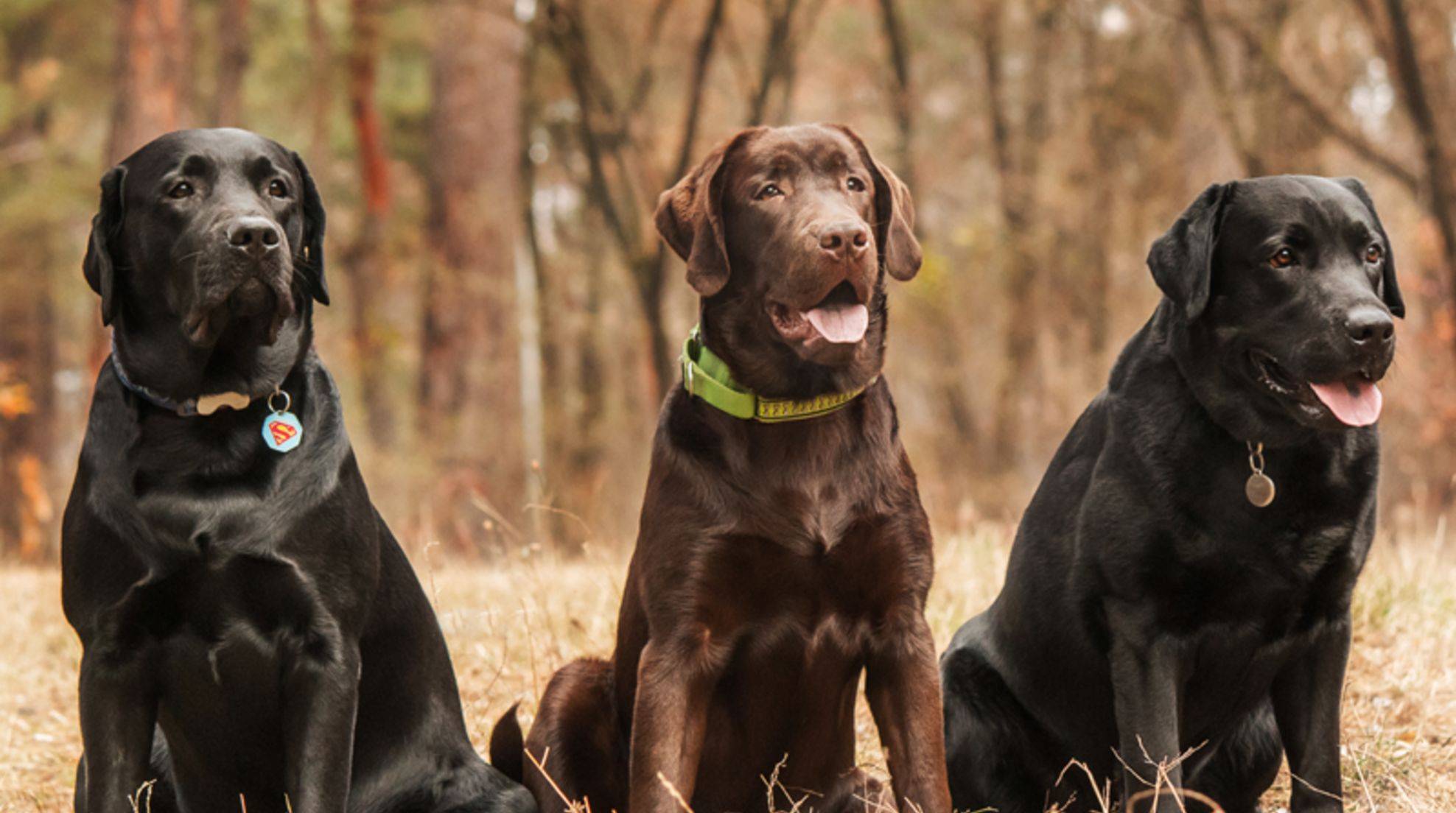
In addition to gender, the breed and character of the dogs also play a significant role. The animals should complement each other well but also not be too similar. Two very energetic four-legged friends, for example, can spur each other on too much. An older dog and a puppy, on the other hand, can get along very well, and the senior can even flourish. However, it is also possible that an older dog is annoyed by the youngster. Here it is necessary to weigh from case to case.
Second dog in the household: The proper preparation
With dogs, love is not only through the stomach but above all through the nose. So take toys, blankets, and leashes of your one dog and let the other dog sniff them. That way, both of you can get to know each other better.
Tip: Pay attention to how your four-legged friend reacts to the smell of the other. If the objects are growled at or buried, then the second dog should be introduced later. The main thing is that neither of your pets feels disadvantaged or neglected by the second dog when you get them used to each other.
First encounter: Getting them used to each other at a safe distance
For the first encounter, a neutral environment is a good idea. Choose a secluded spot, such as a closed-off grassy area or nearby park. You will need a helper to bring the two four-legged friends together. Each person takes care of one dog until the two animals meet directly after a short acclimation period.
Socialized dogs can make contact with each other without a leash. However, if you don’t know how your four-legged friend will react, the best thing to do is use a drag leash for safety.
How long does it take for dogs to get used to each other?
If both dogs are relaxed, you can take them into the apartment or the house. It would help if you accompanied the acclimation as gently and confidently as possible. It can take up to two weeks until everyone has found his place in the new pack. Ranking fights are usually regular. The hierarchy within a dog group must be regulated, even if it is a little rough now and then. However, make sure that everything remains within the framework.
Seven tips for bringing two dogs together
- take enough time for the reunification of your four-legged friends. Patience and calmness are essential.
- provide both dogs with their separate feeding places.
- each dog needs a separate sleeping place.
- Gives equal attention to both dogs. Don’t spend more time with the newcomer, or the long-established four-legged friend will become jealous.
- Allow ranking fights calmly – it is pretty standard that one dog must first subordinate itself to the other. Supervise both quarrelsome dogs very well in the beginning.
- Provide many playtimes together: for example, visit a dog park and always make trips with both dogs. Playing together is very important because of the fun bonds.
- Visits as a freshly formed pack the dog school: The trainer can neutrally assess whether the dogs understand each other and provide assistance if necessary.