Home

Shiba Inu: nature and behavior of the cute Japanese dog

Shiba Inu: nature and behavior of the cute Japanese dog

Shiba Inu: nature and behavior of the cute Japanese dog

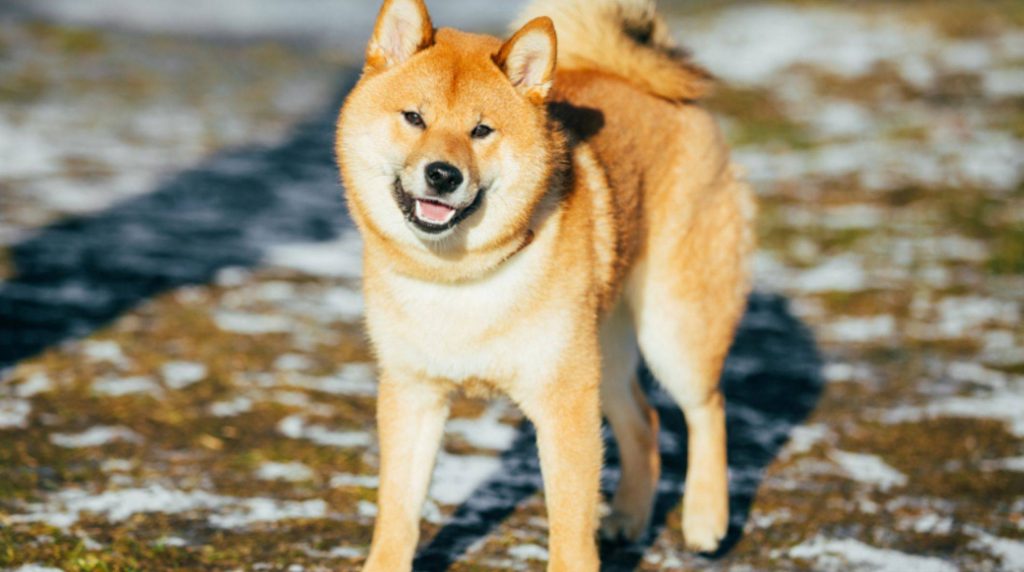
The Shiba Inu, like the Kishu, the Kai or Shikoku, is a typical Japanese dog breed. The nature of the Shiba Inu is temperamental, self-confident and lively, which is why it is not suitable for all dog owners. You can learn more about the nature and behavior of this great four-legged dog here.

The Shiba was declared a Japanese natural monument in 1937. No wonder that the handsome Asian is one of the most popular dog breeds in Japan, next to the Akita Inu. In this country, the rather small dog with a strong and well-proportioned body is not yet so well represented.

Nature of the Shiba Inu: Courageous, lively and self-confident

The nature of the Shiba Inu is very special. He is a very self-confident and spirited dog with a strong will of his own and a strong personality. The lines between independent and stubborn can easily become blurred, which may sometimes overwhelm one or two dog owners who are not consistent enough in their training. The right education for the Shiba is a consistent-loving – with harshness you usually do not get far with the occasionally rebellious four-legged friend. The Shiba also learns quickly and is very playful – so he can cut a fine figure as a family dog.

Behavior: Shiba needs to be challenged physically and mentally

The Shiba can have quite a dominant character. He does not think much of blind obedience, preferring to rely on his strong instincts and likes to go his own way. This does not mean that he is not affectionate. Quite the contrary, the Japanese loves his heart people above all else and always shows good watchdog qualities. He wants to play often and a lot and discover new things, which is why you should challenge him daily. Both physical and mental activity are also a must due to his strong hunting instinct and curiosity.

The Shiba Inu usually shows great motivation to cooperate, so you can make him happy by giving him tasks and playing dog games with him that best challenge both body and mind. In dog play as well as in solving tasks, the Shiba is a real bundle of energy. Depending on their character, most pelt-noses enjoy agility, search games, nose work and are happy to play with intelligence toys and learn dog tricks. If a Shiba is challenged in a manner appropriate to its species, it is – especially at home in the apartment – a very balanced and then also calm dog.

HZOES.COM

HZOES.COM

Cute and funny, info and tips about dogs, cats and other animals. Great pictures and funny videos from the animal world. Your animals on hzoes.com

More articles from dog

Does the second dog move in? What to do in case of jealousy?
Dog Training

Does the second dog move in? What to do in case of jealousy?

Does the second dog move in? What to do in case of jealousy? If a second dog moves in, jealousy can arise: If the hierarchy …

Read More →
Flatulence in dogs: these home remedies can help
Dog Health

Flatulence in dogs: these home remedies can help

Flatulence in dogs: these home remedies can help There you lie unsuspectingly next to his dog on the sofa and suddenly this: It stinks violently. …

Read More →
Dog eats everything from the floor: What to do about "garbage eaters"?
Dog Training

Dog eats everything from the floor: What to do about “garbage eaters”?

Dog eats everything from the floor: What to do about “garbage eaters”? Your dog eats everything from the ground, what he finds on the way …

Read More →
Dog accessories: basic equipment checklist
Dog Buying

Dog accessories: basic equipment checklist

Dog accessories: basic equipment checklist If you are thinking about buying a dog, you will of course need the necessary dog accessories for the pelt-nose. …

Read More →
Adopt English bulldog from shelter
Dog Buying

Adopt English bulldog from shelter

Adopt English bulldog from shelter The fact that the English Bulldog has become a fashionable dog in recent years is not always to its advantage. …

Read More →
Companion and companion dogs such as the Maltese, Pug or Poodle, for example, are usually friendly, peaceful and people-oriented. Herding dogs, working dogs and working dogs such as the German Shepherd, the Bernese Mountain Dog or Australian Shepherd also enjoy working with people and are obedient and loyal if well trained. St. Bernards, Leonbergers and Newfoundlands are also stoically calm. Some hunting dog breeds, such as the friendly Beagle, the Labrador or Golden Retriever with their pronounced "will to please", are also good therapy dogs with proper socialization. Whether you choose a large, medium or small dog for animal-assisted therapy depends on its area of use. Larger dogs are more suitable for working with children and adolescents, while smaller four-legged friends are more suitable for the elderly, as they can sit on your lap or snuggle up in bed.
Dog Buying

Therapy dogs: Which four-legged friends are suitable? Unlike assistance dogs, therapy dogs are not specially trained for a single patient. Rather, together with their owner, …

Read More →
This site uses cookies

By continuing to use our site, you agree to our T & Cs and the use of our Cookies & amp;trackers as well as those of our partners in order to offer you content, services, personalized advertising and to generate statistics & amp; audience analysis.