Strengthening the bond with your dog: how he loves you even more
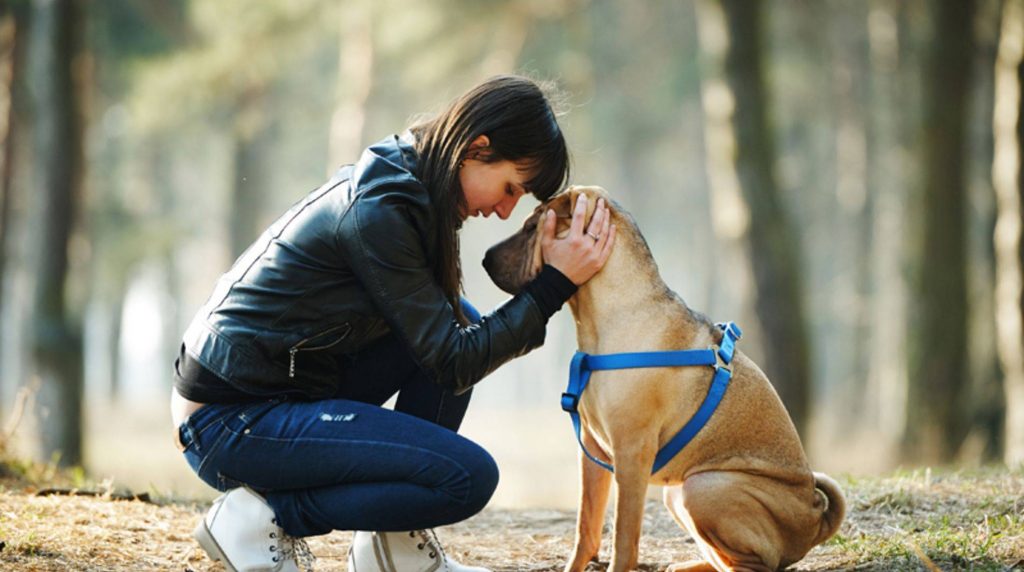
A strong bond with your dog is not only something extraordinary. It also makes it much easier to get along with each other and promotes the obedience of your four-legged friend. You learn how to strengthen mutual understanding and friendship with your animal partner.
If the relationship with the four-legged friend is characterized by trust and affection, communication works more efficiently, and the bond with the dog becomes stronger. This is not only a nice feeling, but it also helps with dog training. Because: A pet that trusts its human one hundred percent takes part in training with more enthusiasm and motivation and listens more willingly to its owner. It is, therefore, worthwhile to build up a good bond with the dog.
Improve the bond between dog and master: With obedience training and co.
The bond with the dog promotes communication on the one hand but can also be strengthened through mutual understanding on the other. You can practice this interplay with your animal best friend during obedience training.
“Obedience training” translates to “obedience exercises,” but it’s not about your dog simply following commands. Instead, you and your pet learn to trust each other and understand each other’s language.
Your dog understands what you want him to do when you say certain commands and show specific body language. Bit by bit, you can get to know your four-legged friend better, interpret his signals, put yourself in his place – and formulate your commands in such a way that your four-legged partner understands them: clearly, unambiguously, and consistently.
Other dog sports and leisure activities also strengthen the bond with your dog: dog dancing, longeing, or hiking together brings you closer together.
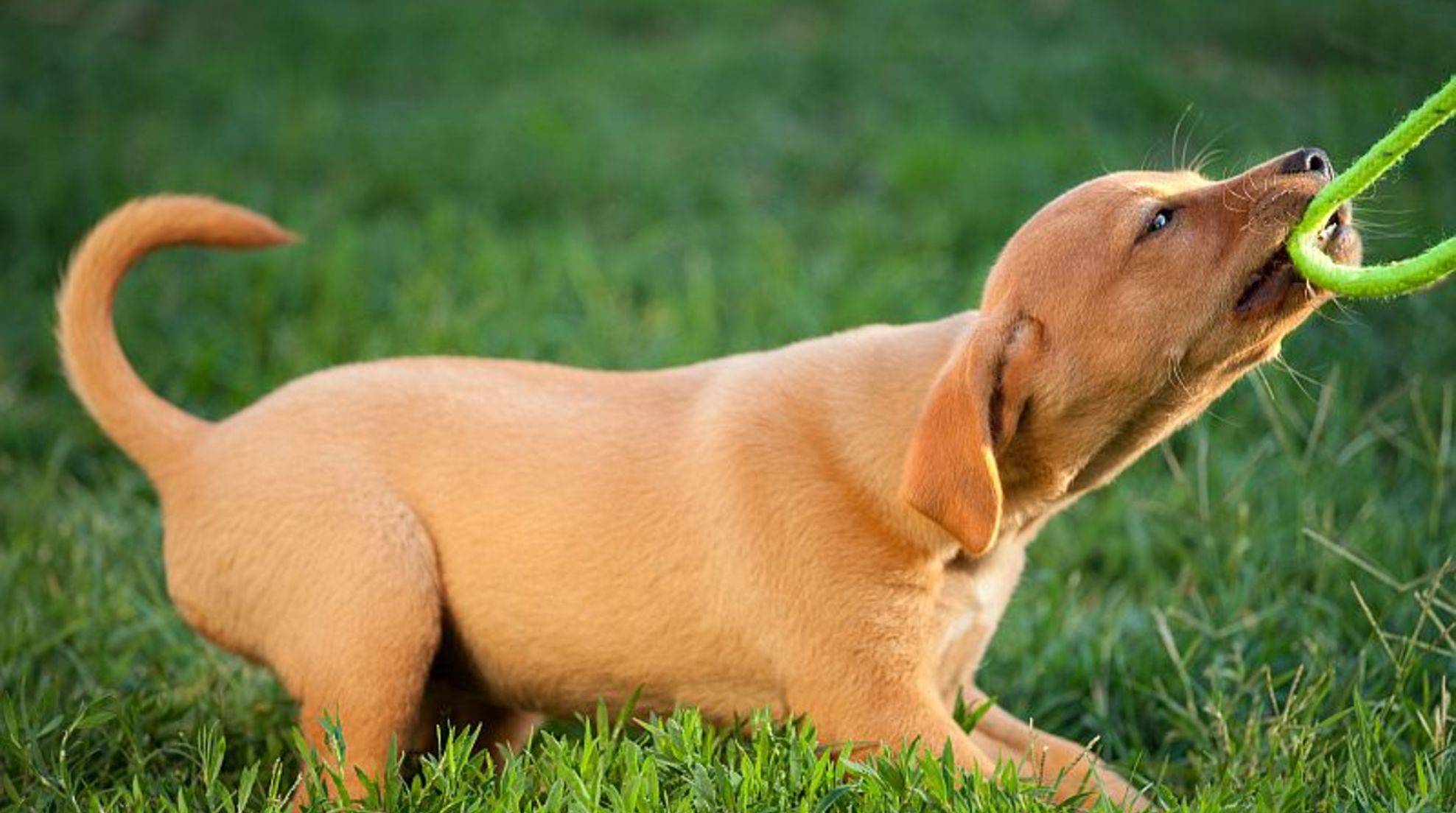
How to strengthen the bond with your dog? Games and exercises help.
Dogs have been bred to work closely with humans throughout their long history of domestication. Therefore, they need tasks that they can do together with their mistress or master. Which jobs these depend on the dog breed and the four-legged friend’s personality. Whether it is a hunting dog, a greyhound, or a lap dog, every four-legged friend appreciates appropriate games and exercises. The more stubborn, independent, and intelligent a dog is, the more critical cooperative play sessions encourage his talents without overtaxing him.
If your four-legged friend has the impression that he can have more fun and pursue his interests better without you, he will probably listen to you less well and be more likely to get his way. He does this not to annoy you, but because the disobedient behavior is more rewarding and enjoyable for him.
Playing games together that is right for him can show him that he has more fun with you than alone. Feel free to try out a little bit in which activity your four-legged friend’s motivation is the greatest. The best are games and exercises that you both enjoy. So you can teach some dogs good tricks, others love the fetch or nose work.
Build trust through firm rules and consistency
Dogs are intelligent animals, but they can only understand human language to a certain extent. The tone of voice, body language, and signal sound of command must always remain the same and fit together so that a four-legged friend can read from it what you expect from him. Otherwise, you will confuse your dog and make him insecure, especially if you become impatient and angry because he does not follow your command. Trust cannot develop in this way.
If you want to strengthen the bond with your dog, you have to be as predictable and predictable as possible. You can achieve this through consistency, clarity, and unambiguity in rules and rituals.
Establish fixed rules for mealtimes, walks, playtimes, rest breaks, and grooming that you will maintain whenever possible. This routine will not be boring for your dog but will give him a structure that he can follow and rely on. This way, he feels safe and knows that he is in good hands with you.
Respect the dog and his needs
Respect and regard should be mutual in the human-dog friendship. Learn to correctly interpret body language and dog behavior and recognize your four-legged friend’s needs. This will allow you to tailor training and play sessions to your animal partner’s daily form and make it easier to find the right balance between under- and over-demanding.
If your best friend on four paws seems to be under stress or scared, stay calm and be his rock. Then calmly think about what is bothering your dog and how to resolve the situation.