Why dogs should not drink from puddles
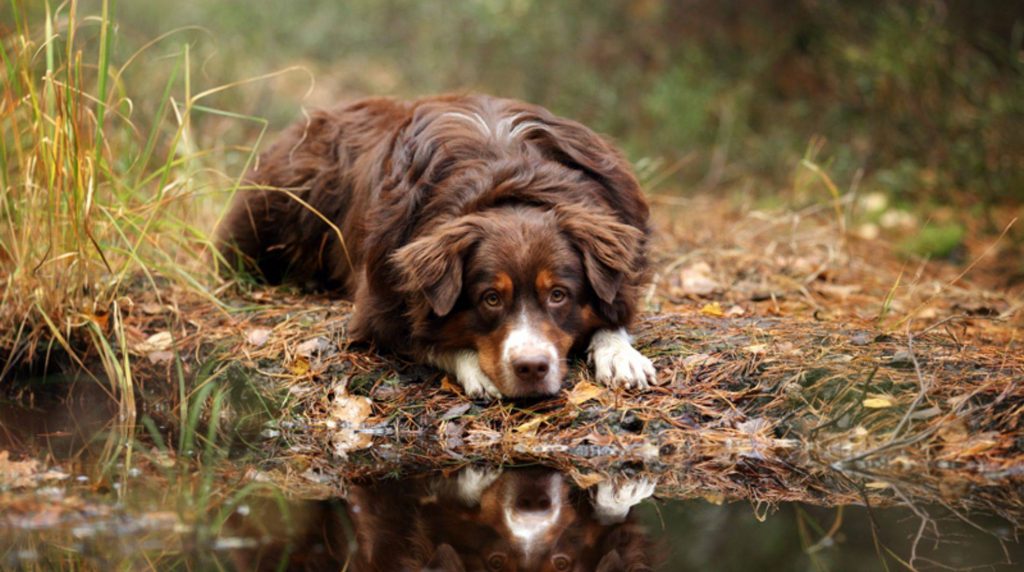
Most dogs love to drink from puddles while walking to quench their thirst. Moreover, puddles smell extremely interesting to dogs, which arouses their curiosity. Unfortunately, the pleasure is not harmless for your animal companion – pathogens lurk in puddle water.
Especially leptospirosis is a danger for dogs that like to drink from puddles. The pathogens can also be transmitted to humans and cause flu-like symptoms. But Giardia in puddle water can also make your dog sick.
Caution. The danger of leptospirosis when dogs drink from puddles
Mice and rats, in particular, carry leptospires, as the pathogens that cause leptospirosis are called. They do not become ill themselves, but they still excrete leptospires through their urine. Because feral rats and mice don’t care where their droppings end up, their urine can be almost anywhere in the wild. The leptospirosis pathogens feel particularly at home in moist, mild environments – which is why they multiply especially briskly in ponds, pools, and, indeed, puddles.
If your dog drinks the puddle water, he ingests the leptospires directly. An infection is noticeable by vomiting and diarrhea as well as frequent urination. In addition, the skin and mucous membranes turn yellowish. If you suspect leptospirosis, you should immediately take your dog to the vet. Caught early, the disease can be treated well with antibiotics.
Caution. Leptospirosis belongs to the so-called zoonoses – diseases transmitted from animal to human. If you observe an intense fever and symptoms resemble the flu, go to the doctor quickly and clarify it. Otherwise, it can lead to meningitis or organ damage.
Giardia in puddle water causes diarrhea in dogs.
Giardia is shed in the feces of infected animals and can survive in cool water for several weeks. Puddles near dog runs and other places in nature where many dogs hang out are ideal breeding grounds for the parasites. But other stagnant bodies of water may also be contaminated with the pathogens. Dogs that drink the water from these puddles can become infected with Giardia. The result: diarrhea, vomiting, flatulence, and weight loss.
Again, if you suspect this, see your veterinarian quickly. He can help your dog get rid of the intestinal parasites. Certain antibiotics or worming treatments are used. If other animals live in your household, you should have them treated against Giardia as a precaution. And also, take care of yourself: Giardia can spread to humans. Use rubber gloves when you come into contact with the excrement of your sick dog.
Can you stop dogs from drinking puddles?
Dogs don’t know that they shouldn’t drink from puddles because it can make them sick. For them, it means pleasure and enjoyment to feast on puddle water. This is even more true for hunting dogs and other dog breeds that like to browse and explore in the wild. Therefore, it is not easy to stop dogs from drinking puddle water.
You can try to avoid dangerous sports – such as dog runs or
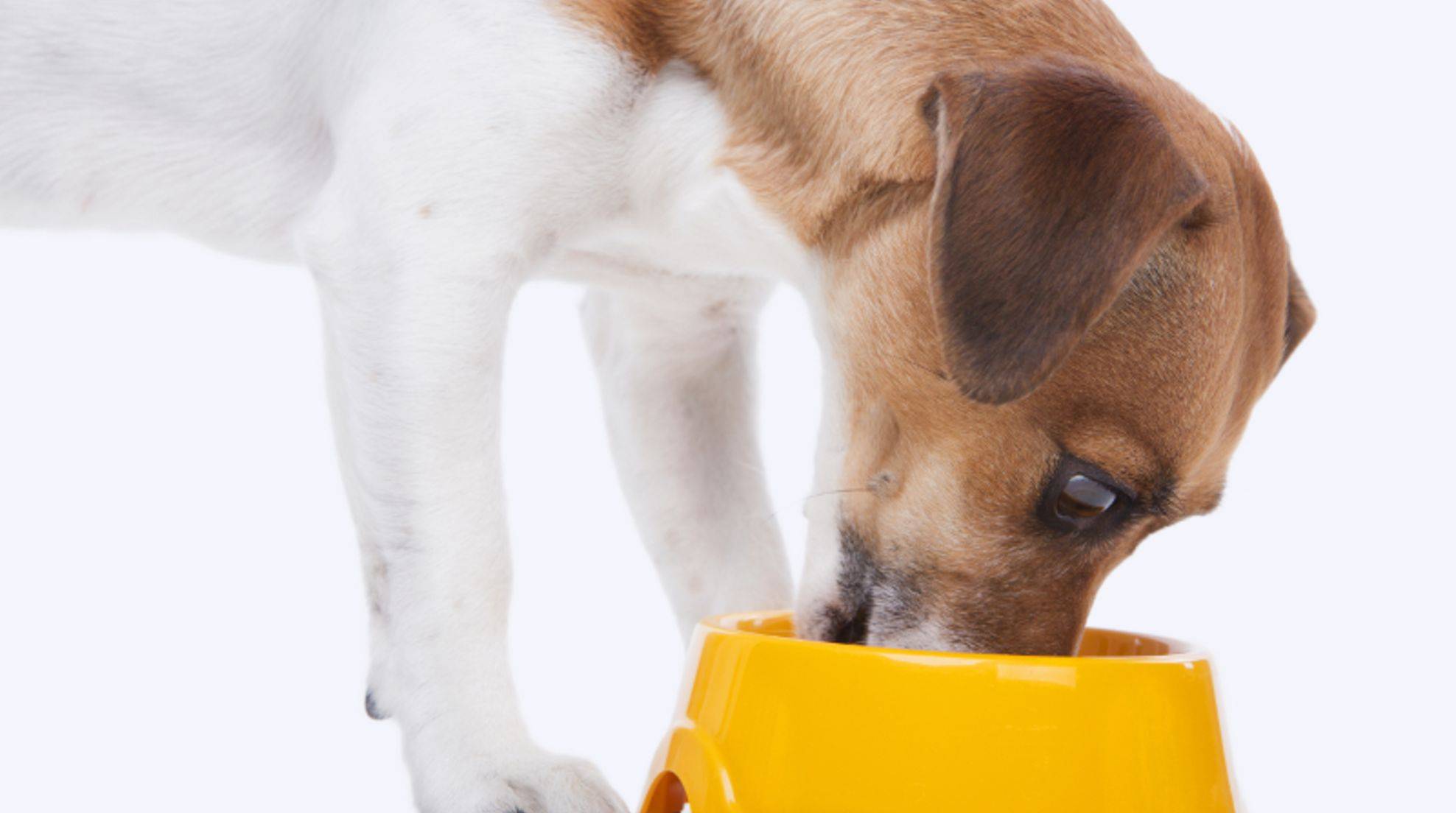
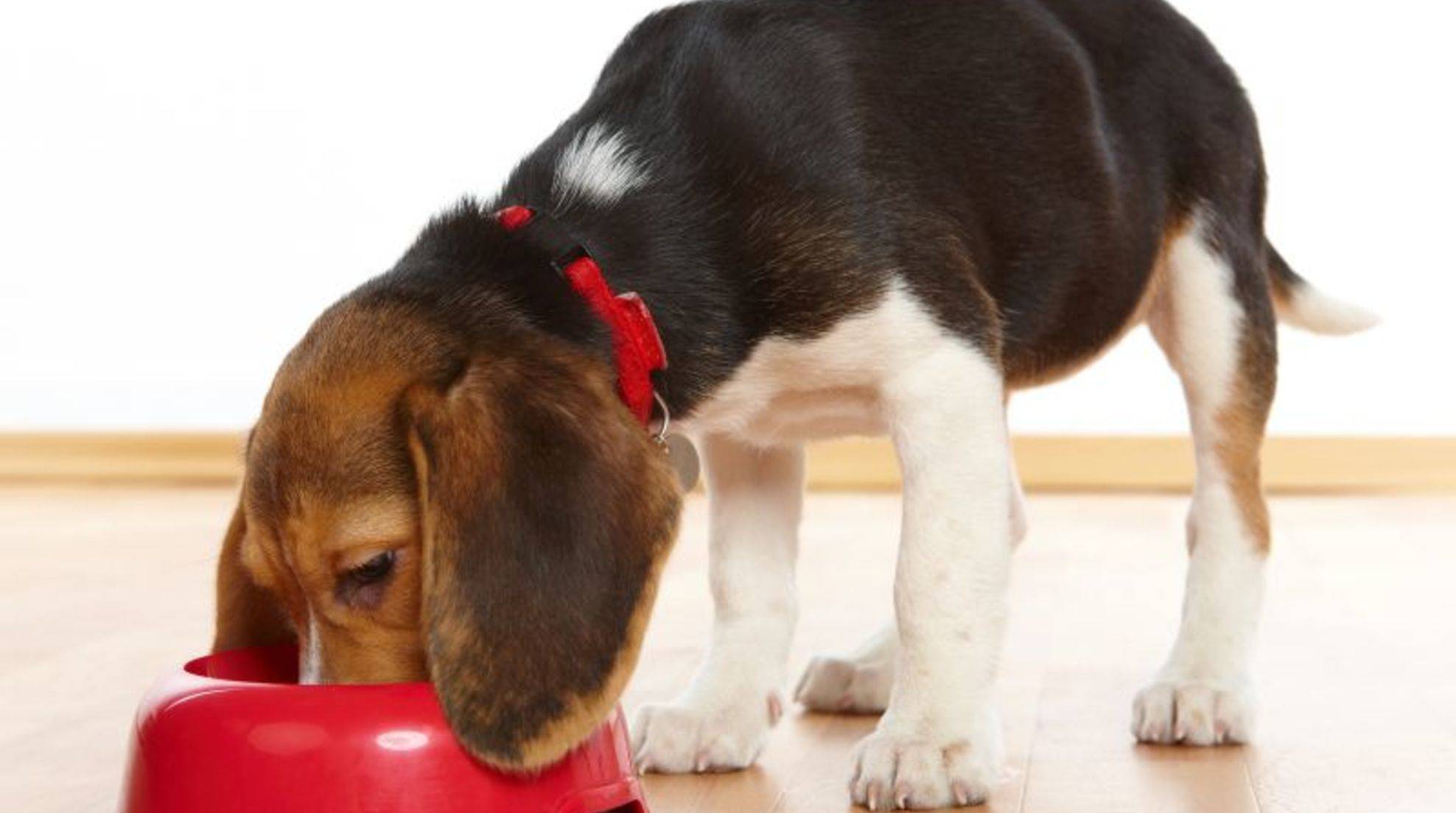
Nature trails near standing bodies of water. Or you can consistently leash your dog and say “No!” as soon as he approaches a puddle. The best way to offer him an alternative is to give him a drinking bowl with fresh water. Then he will feel it less of punishment not to slurp from the puddle.
How to prevent leptospirosis and giardia
A vaccine is available against some leptospirosis pathogens. Unfortunately, the vaccine does not help against the many other leptospires, but it can significantly reduce the risk of infection. Leptospirosis vaccination is especially recommended for dogs that can’t avoid puddles and ponds. Please discuss whether it would be beneficial for your dog to be vaccinated with your veterinarian.
Unfortunately, there is no vaccination against Giardia. Here, you can essentially try to keep your dog away from puddles. Also, make sure that your environment is sufficiently hygienic and that your four-legged friend does not come into contact with the excrement of other animals, if possible.