
“Will, to please” in dogs: what is it?
Some dog breeds like the Labrador or the Golden Retriever have a so-called “will to please.” The term comes from English and can be translated as “will/willingness/need to please.” These dogs place a high value on cooperating with or being with their humans. This means for dog training and which breeds still have this characteristic, reveal the following tips.
Occasionally, the “will to please” is equated with eagerness to work, but this is not entirely true. For example, some dogs show great willingness to work and need a meaningful, breed-appropriate task, but are very independent and do not necessarily want to work with their humans – like guard dogs. At the same time, many social dogs need to please and be around their caregivers but are not particularly eager to work.
What does “will to please” mean in dogs?
So, the “will to please” in dogs essentially refers to how people-oriented they are and how important it was initially for their breed to work with people. Such dogs are naturally eager to understand what their caregiver expects of them and are willing to comply. These four-legged friends were bred for tasks that require a willingness to cooperate and work well as a team with their owners. For some hunting dogs like the Golden Retriever or some working dogs like the German Shepherd, for example, this has always been important, but especially for companion dogs, which – as the name suggests – have their main task in keeping people company.
Dog breeds with a pronounced “will to please
In addition to all retrievers such as the Labrador and the Golden Retriever, as well as the German Shepherd, the following dog breeds have a “will to please”:
● Australian Shepherd
● Australian Cattle Dog
● Australian Kelpie
Malinois / Belgian Shepherd Dog
● Shetland Sheepdog / Sheltie
● Collies
● Spaniel
● Kooikerhondje
● Spanish Water Dog / Perro de Agua Español
● Welsh Corgi
● Continental dwarf spaniel / Papillon
● Lioness
● Bichon frisé
● Bolognese
● Maltese
● Havanese
I am using “will to please” in dog training.
A dog with “will to please” is usually considered easy to train and suitable for beginners. However, this means that the dog will train itself or always understand humans without any problems. It would help if you still taught your friendly, cooperative four-legged friend rules and commands first so that he knows what he is allowed to do and what not. It is also necessary that you communicate with your dog clearly, unambiguously, and consistently so that he can understand what you expect from him. If you are inconsequent, your animal friend may suffer from unwanted habits.
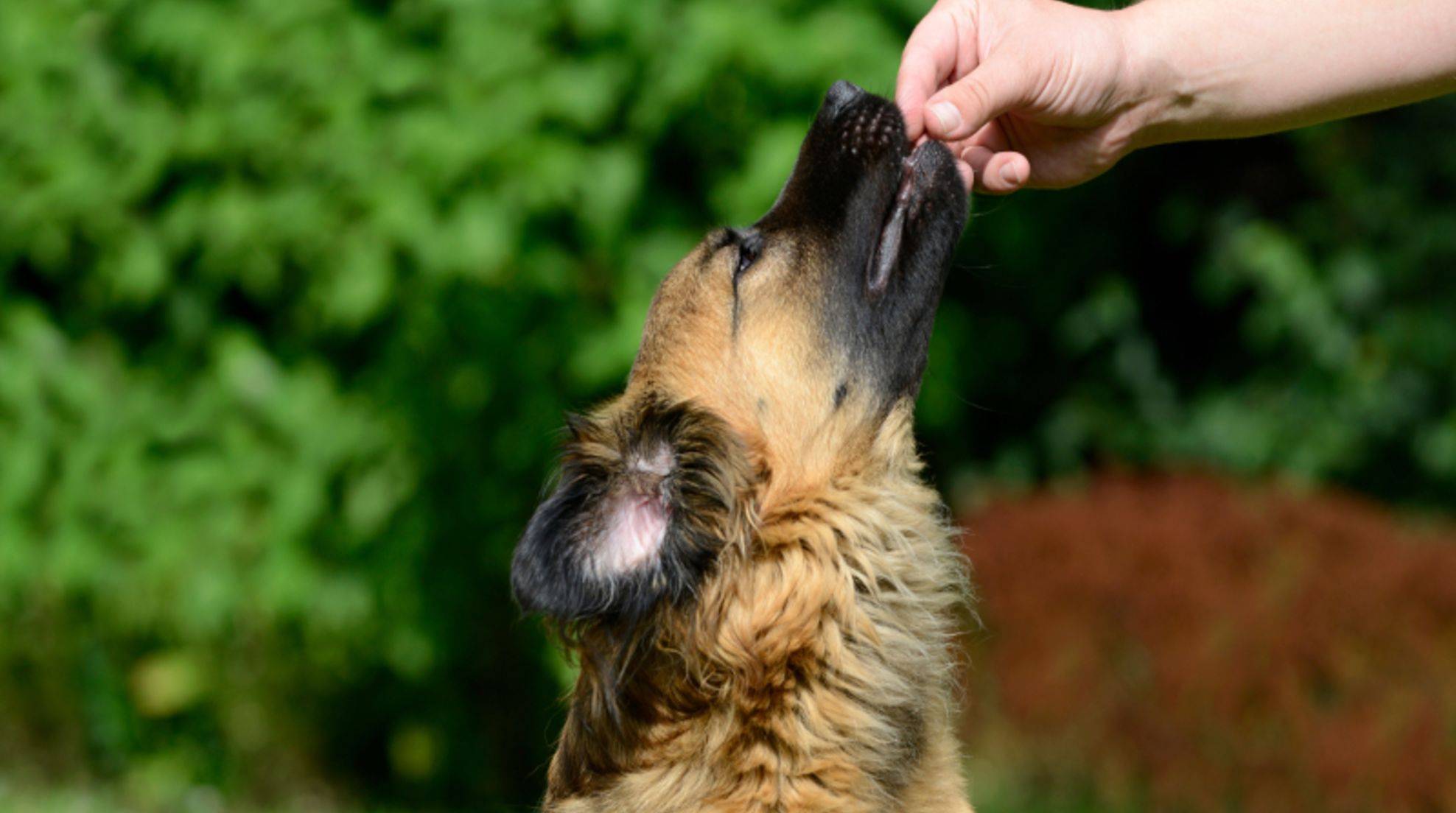
Besides, these dogs are only happy when challenged according to their breed. A small social dog may enjoy intelligence games, tricks, and light physical activity more, while a working dog, German Shepherd, or hunting dog with a “will to please” needs proper functional tasks, intense dog sports, and plenty of exercises to be happy and busy. However, more accessible with dogs with “will to please” is rewards and motivation. They quickly get excited about a new task or training session with praise, petting, and a game together.