Home

Dog training fallacy: do dogs need hardening?

Dog training fallacy: do dogs need hardening?

Dog training fallacy: do dogs need hardening?

A dog runs, on walks, or a dog training school, you’ll occasionally hear the phrase, “He’ll have to go through it!” In dog training, it seems the prevailing opinion among some owners is that dogs need hardening to learn. But is there any truth to this, or is it a misconception?

Dogs are very adaptable and have adapted to living and working with humans over the many millennia they have been domesticated. If the bond between animal and owner is correct, consistency, clarity, and patience in dog training are enough for the four-legged friend to adhere to the desired rules.

However, we humans must not forget that our animal friends still have their instincts. Reacting to undesirable behaviors of the dog with hardening and coercion would be the wrong way.

“He’ll have to go through it!”: Misconception or truth?

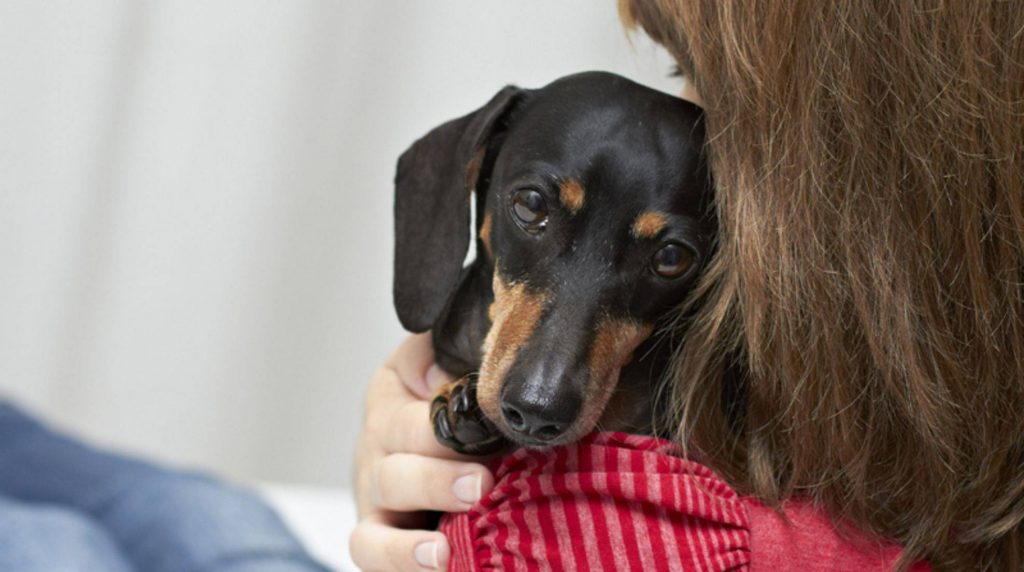
As long as two strange dogs play peacefully with each other, you do not have to intervene. But if it comes to a fight or bullying and your dog behaves fearfully, he needs your help. In such situations, when your four-legged friend seeks your protection or the other dog is physically superior to him and plays too wildly, it would be a mistake to dismiss this with a “He’ll have to go through!”. This would not lead to hardening but would strengthen or trigger your dog’s fearfulness and insecurity. If he then realizes that he cannot rely on his caregiver in moments that unsettle him and cause him to stress, your bond with each other will suffer – and that in turn will make dog training more difficult.

Dog training: adaptation yes, hardening no

If you want to achieve hardening through dog training, it is better to start small and get support from a dog trainer if necessary. This is advisable, for example, if your dog has already developed an anxiety disorder. Systematic desensitization is the technical term for when your four-legged friend gradually gets used to a fear-triggering stimulus. For example, if your dog is afraid of thunderstorms, it makes little sense to send him outside during lightning and thunder to harden him. Instead, you should gently acclimate your little scaredy-cat to the sounds and provide him with a haven indoors during a thunderstorm.

Dogs adapt to many things when living with their humans that are not their instinct. They learn to walk on a leash, eat the food they are handed, understand commands, and behave publicly. This alone requires a great deal of frustration tolerance, impulse control, and a willingness to learn from them. So it is unnecessary to ask him to endure and endure situations that may instill fear or even become dangerous for him.

HZOES.COM

HZOES.COM

Cute and funny, info and tips about dogs, cats and other animals. Great pictures and funny videos from the animal world. Your animals on hzoes.com

More articles from dog

Worms in dogs: prevention
Dog Health

Worms in dogs: prevention

Worms in dogs: prevention Worms in dogs are not only annoying but also dangerous. An undetected worm infestation can lead to serious health risks such …

Read More →
Petting strangers' dogs: a good idea?
Dog Keeping

Petting strangers’ dogs: a good idea?

Petting strangers’ dogs: a good idea? Are you one of those people who like to pet strange dogs? Or are you the owner of a …

Read More →
Grief among dogs: When animals miss their four-legged companion
Dog Keeping

Grief among dogs: When animals miss their four-legged companion

Grief among dogs: When animals miss their four-legged companion Do dogs also grieve? If your dog’s beloved companion dies, the animal’s grief for the other …

Read More →
Finding the right breed of dog: Which dog suits me?
Dog Buying

Finding the right breed of dog: Which dog suits me?

Finding the right breed of dog: Which dog suits me? Finding the right dog breed is not that easy. Around 340 recognized dog breeds make …

Read More →
Find a dog breeder: There are several options
Dog Buying

Find a dog breeder: There are several options

Find a dog breeder: There are several options You can find a reputable dog breeder not only through a newspaper ad or the phone book. …

Read More →
Companion and companion dogs such as the Maltese, Pug or Poodle, for example, are usually friendly, peaceful and people-oriented. Herding dogs, working dogs and working dogs such as the German Shepherd, the Bernese Mountain Dog or Australian Shepherd also enjoy working with people and are obedient and loyal if well trained. St. Bernards, Leonbergers and Newfoundlands are also stoically calm. Some hunting dog breeds, such as the friendly Beagle, the Labrador or Golden Retriever with their pronounced "will to please", are also good therapy dogs with proper socialization. Whether you choose a large, medium or small dog for animal-assisted therapy depends on its area of use. Larger dogs are more suitable for working with children and adolescents, while smaller four-legged friends are more suitable for the elderly, as they can sit on your lap or snuggle up in bed.
Dog Buying

Therapy dogs: Which four-legged friends are suitable? Unlike assistance dogs, therapy dogs are not specially trained for a single patient. Rather, together with their owner, …

Read More →
This site uses cookies

By continuing to use our site, you agree to our T & Cs and the use of our Cookies & amp;trackers as well as those of our partners in order to offer you content, services, personalized advertising and to generate statistics & amp; audience analysis.