Home

Treat grass mites in dogs: What helps?

Treat grass mites in dogs: What helps?

Treat grass mites in dogs: What helps?

With the onset of summer, grass mites are in high season again. Whether you need to treat your dog depends on the symptoms he shows.

If grass mites are plaguing your dog, there is no need to worry first. The tiny arachnids are annoying but usually harmless.

But how can an infestation be detected? If you suspect that your four-legged friend is infested with parasites, immediately examine the dog’s skin. You will discover small orange-yellow spots on the affected areas if you look closely. Grass mites can cause intense itching, which is intensified by the dog scratching.

Prevent infestation by grass mites

Specifically, it is the larvae of the grass mite that cause the itching. They generally prefer body areas with fragile skin and mainly infest parts of the body that contact the ground or grass: Paws, head, legs, abdomen, and chest.

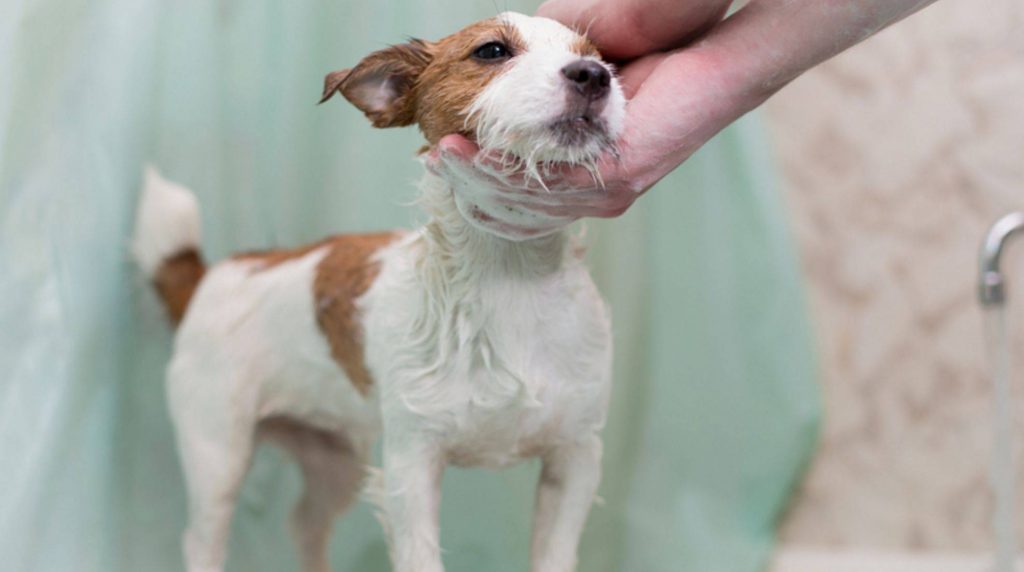
The most effective preventive measure against grass mites in dogs is therefore simple: wash your four-legged friend’s belly, chest, legs, and dog paws with lukewarm water after romping in the grass to rinse away the larvae.

Grass mites in dogs: What to do?

If the parasites have already taken up residence, further measures must be taken. Since the mites usually have no harmful effect on the dog, it is sufficient to treat the symptoms:

Wash your four-legged friend with an anti-parasitic shampoo to relieve the itching.
Apply an anti-inflammatory ointment to the affected areas if your dog has already scratched himself sore.
Wash all blankets and thoroughly clean all of the places where your dog lies, just as you would if your dog were infected with other parasites, such as ticks or fleas.
It can still happen that the skin around the puncture sites becomes inflamed. Then further measures are usually necessary. In such cases, and if you are unsure whether grass mites are responsible for your dog’s complaints, you should consult a veterinarian. Do not start treatment on your own.

HZOES.COM

HZOES.COM

Cute and funny, info and tips about dogs, cats and other animals. Great pictures and funny videos from the animal world. Your animals on hzoes.com

More articles from dog

Care for long hair coat: How to keep the dog hair beautiful
Dog Keeping

Care for long hair coat: How to keep the dog hair beautiful

Care for long hair coat: How to keep the dog hair beautiful Long-haired dog breeds need regular coat care to keep the dog healthy and …

Read More →
Adopt a dog from abroad: How to do it
Dog Buying

Adopt a dog from abroad: How to do it

Adopt a dog from abroad: How to do it Adopting a dog from abroad often offers the four-legged friend a last chance to survive. In …

Read More →
Causes of osteoarthritis in dogs
Dog Health

Causes of osteoarthritis in dogs

Causes of osteoarthritis in dogs The causes of osteoarthritis in dogs are still not fully understood. However, it is clear that the dog’s age plays …

Read More →
Behavioral problems in dogs: recognizing problems
Dog Health

Behavioral problems in dogs: recognizing problems

Behavioral problems in dogs: recognizing problems Whether excessive aggression, constant barking, or extreme anxiety – behavioral problems in dogs have many faces. The causes for …

Read More →
Companion and companion dogs such as the Maltese, Pug or Poodle, for example, are usually friendly, peaceful and people-oriented. Herding dogs, working dogs and working dogs such as the German Shepherd, the Bernese Mountain Dog or Australian Shepherd also enjoy working with people and are obedient and loyal if well trained. St. Bernards, Leonbergers and Newfoundlands are also stoically calm. Some hunting dog breeds, such as the friendly Beagle, the Labrador or Golden Retriever with their pronounced "will to please", are also good therapy dogs with proper socialization. Whether you choose a large, medium or small dog for animal-assisted therapy depends on its area of use. Larger dogs are more suitable for working with children and adolescents, while smaller four-legged friends are more suitable for the elderly, as they can sit on your lap or snuggle up in bed.
Dog Buying

Therapy dogs: Which four-legged friends are suitable? Unlike assistance dogs, therapy dogs are not specially trained for a single patient. Rather, together with their owner, …

Read More →
Can dogs have a stroke?
Dog Health

Can dogs have a stroke?

Can dogs have a stroke? Yes, dogs can also have a stroke if a four-legged friend shows symptoms that indicate a stroke, every second counts. …

Read More →
This site uses cookies

By continuing to use our site, you agree to our T & Cs and the use of our Cookies & amp;trackers as well as those of our partners in order to offer you content, services, personalized advertising and to generate statistics & amp; audience analysis.