Home

After spaying: how to care for a newly spayed bitch

After spaying: how to care for a newly spayed bitch

After spaying: how to care for a newly spayed bitch

After surgery, you should take good care of your newly spayed bitch so that she gets back on her feet as quickly as possible and wounds from the procedure heal well. Read here how you can help your dog.

You will usually pick up a spayed female dog from the vet in the morning or noon. Because the dog must arrive for surgery sober, practices like to schedule surgery appointments in the first part of the day.

Be prepared that your dog is still very wobbly on his feet and does not know what is happening to him. Spaying a bitch is quite a significant procedure and is therefore performed under general anesthesia. Transport your bitch directly home and help her into the car and up the stairs if necessary.

Proper care after spaying: First, a lot of rest

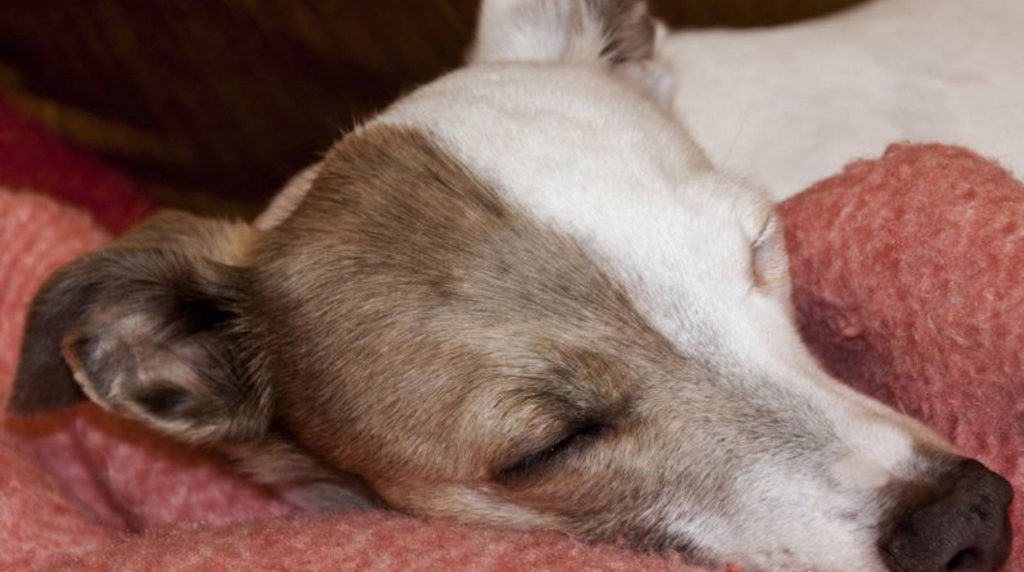
Proper care after spaying means, first and foremost: rest. Probably your newly spayed bitch wants to sleep anyway. Therefore, prepare a warm bed for her on the floor. Dogs freeze quickly after anesthesia and should avoid jumping. Climbing stairs is also taboo for the next few days, if possible.

Ideally, the camp should be in a place near you. Chances are, your dog will still be anxious and in pain after spaying. Your closeness and an occasional petting session will help your pet regain composure during the first period afterward. Moreover, if for any reason your four-legged friend’s condition worsens, you will be there immediately to help your bitch.

Feeding after neutering: this is what you should keep in mind.

Your dog may drink when he feels like it. Due to the general anesthesia, many animals feel an increased thirst. Nevertheless, do not let your dog drink large portions of water. There is a high risk that she will vomit it up again. Instead, offer your four-legged friend many small amounts of water in the first period after the operation.

On the other hand, you should wait a while before feeding. First, the anesthesia should have completely worn off, and your dog should be able to keep the water down safely without vomiting. Many veterinarians recommend that you start feeding slowly with half daily rations only the day after the surgery.

Taking care of a spayed bitch: how to heal the wound quickly

Over the next few days, the top priority is to heal the wound quickly. Usually, a spayed bitch wears a bodysuit or collar to prevent her from licking the wound. Make sure that, in any case, she and other animal roommates do not get to the site.

Spare your dog after consultation with the doctor and better take her for walks on a leash. The patient must not romp around shortly – this applies especially when she is out and about. After all, no dirt should get into the surgical wound. For the same reason, baths are not appropriate at first.

After consultation with your veterinarian, the first wound check may occur as early as the day after spaying. The stitches can be removed on the tenth to the fourteenth day after castration.

HZOES.COM

HZOES.COM

Cute and funny, info and tips about dogs, cats and other animals. Great pictures and funny videos from the animal world. Your animals on hzoes.com

More articles from dog

Second dog: How to get two dogs used to each other
Dog Training

Second dog: How to get two dogs used to each other

Second dog: How to get two dogs used to each other A second dog in the house can change your family life for the better. …

Read More →
Why do dogs eat wood - and is it dangerous?
Dog Health

Why do dogs eat wood – and is it dangerous?

Why do dogs eat wood – and is it dangerous? Your dog eats wood or likes to chew on it? Unfortunately, this preference can be …

Read More →
Companion and companion dogs such as the Maltese, Pug or Poodle, for example, are usually friendly, peaceful and people-oriented. Herding dogs, working dogs and working dogs such as the German Shepherd, the Bernese Mountain Dog or Australian Shepherd also enjoy working with people and are obedient and loyal if well trained. St. Bernards, Leonbergers and Newfoundlands are also stoically calm. Some hunting dog breeds, such as the friendly Beagle, the Labrador or Golden Retriever with their pronounced "will to please", are also good therapy dogs with proper socialization. Whether you choose a large, medium or small dog for animal-assisted therapy depends on its area of use. Larger dogs are more suitable for working with children and adolescents, while smaller four-legged friends are more suitable for the elderly, as they can sit on your lap or snuggle up in bed.
Dog Buying

Therapy dogs: Which four-legged friends are suitable? Unlike assistance dogs, therapy dogs are not specially trained for a single patient. Rather, together with their owner, …

Read More →
How old do dogs get? Interesting facts about life expectancy
Dog Health

How old do dogs get? Interesting facts about life expectancy

How old do dogs get? Interesting facts about life expectancy How old do dogs become? This is a question that concerns many dog owners. The …

Read More →
Dog demands too much attention: causes and five tips that help
Dog Training

Dog demands too much attention: causes and five tips that help

Dog demands too much attention: causes and five tips that help Dogs usually like to be noticed and quickly learn how to get the attention …

Read More →
Feeding Chihuahua correctly: tips on nutrition
Dog Food

Feeding Chihuahua correctly: tips on nutrition

Feeding Chihuahua correctly: tips on nutrition Wet or dry food: What is the ideal diet for your Chihuahua? And how much food does the little …

Read More →
This site uses cookies

By continuing to use our site, you agree to our T & Cs and the use of our Cookies & amp;trackers as well as those of our partners in order to offer you content, services, personalized advertising and to generate statistics & amp; audience analysis.