Home

Avoid the most common mistakes in dog training.

Avoid the most common mistakes in dog training.

Avoid the most common mistakes in dog training.

Problematic behavior in a four-legged friend is usually related to incorrect dog training. How you can recognize typical mistakes and avoid them reveals the following tips.

Constant barking, begging, disobedience, and rebellious behavior are usually the result of inadequate dog training. Common mistakes include inconsistency and lack of clarity.

Mistakes in rewarding and punishing

A common mistake in dog training is misusing rewards and punishing too harshly. After all, you don’t want the dog to get scared of you or feel insecure about you. Try to train your dog primarily by rewarding correct behavior. The praise and treat should be given to your pet immediately so that he can associate it with the desired behavior. However, if he thinks that he will just be rewarded arbitrarily, he will not know what is expected of him and get used to undesirable quirks.

Punishments should only be used in extreme emergencies, and even then, don’t use any that could hurt, harm, or intimidate your dog. Clearly say “no” and couple that with an unambiguous gesture. If you were playing with your dog, stop it immediately so that your four-legged friend knows that his behavior means that it’s time to stop playing.

Avoid lack of consistency and clarity in dog training.

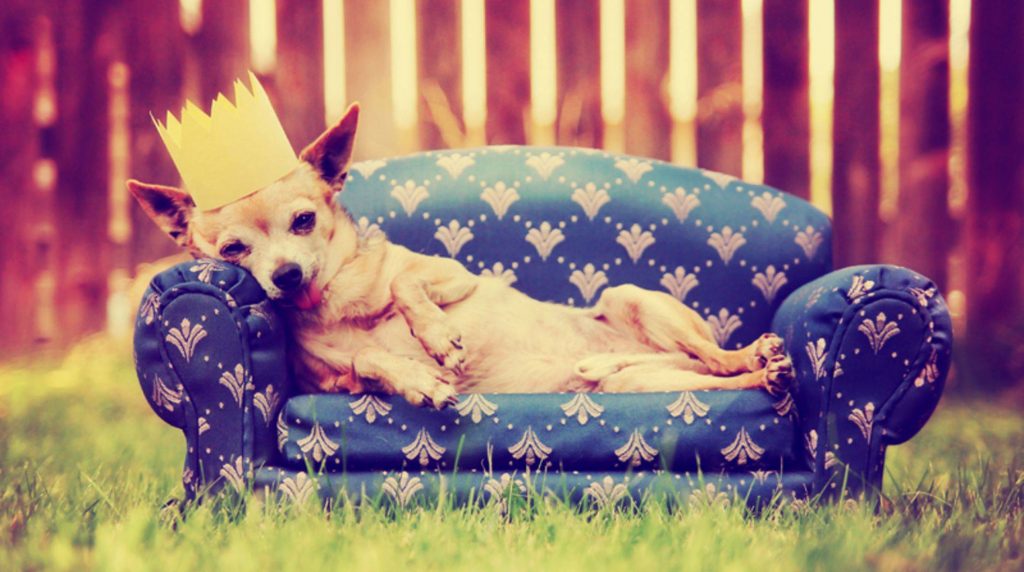
Of course, dogs, especially puppies, are adorable – it is tough to resist the doggy eyes. Nevertheless, it would help if you did not allow your four-legged friend to misbehave once in a while and then not again. Inconsistency is a common mistake in dog training and confuses the animal. Thus, it does not learn rules because it does not understand exceptions. This means that either the dog is always allowed to sleep on the bed and cuddle on the sofa, or it never is.

Another typical mistake is ambiguous communication in dog training. Make sure that the commands’ body language and verbal signals always remain the same. Your charisma and behavior must correspond to what you want to express and convey to the animal. Otherwise, the result is similar to the inconsequence: the dog does not understand what you want from him.


HZOES.COM

HZOES.COM

Cute and funny, info and tips about dogs, cats and other animals. Great pictures and funny videos from the animal world. Your animals on hzoes.com

More articles from dog

Vegetables for dogs: what to look for
Dog Food

Vegetables for dogs: what to look for

Vegetables for dogs: what to look for If you want to give dogs a piece of vegetable in between meals, you are choosing a healthy …

Read More →
Dog overweight: 4 tips for a successful diet
Dog Food

Dog overweight: 4 tips for a successful diet

Dog overweight: 4 tips for a successful diet A dog that is overweight is more prone to various diseases such as cardiovascular problems, diabetes or …

Read More →
Companion and companion dogs such as the Maltese, Pug or Poodle, for example, are usually friendly, peaceful and people-oriented. Herding dogs, working dogs and working dogs such as the German Shepherd, the Bernese Mountain Dog or Australian Shepherd also enjoy working with people and are obedient and loyal if well trained. St. Bernards, Leonbergers and Newfoundlands are also stoically calm. Some hunting dog breeds, such as the friendly Beagle, the Labrador or Golden Retriever with their pronounced "will to please", are also good therapy dogs with proper socialization. Whether you choose a large, medium or small dog for animal-assisted therapy depends on its area of use. Larger dogs are more suitable for working with children and adolescents, while smaller four-legged friends are more suitable for the elderly, as they can sit on your lap or snuggle up in bed.
Dog Buying

Therapy dogs: Which four-legged friends are suitable? Unlike assistance dogs, therapy dogs are not specially trained for a single patient. Rather, together with their owner, …

Read More →
Dog harness: how to put it on correctly
Dog Keeping

Dog harness: how to put it on correctly

Dog harness: how to put it on correctly Anyone who wants to put on a dog harness for their dog for the first time may …

Read More →
The dog seems lazy: what to do about listlessness?
Dog Training

The dog seems lazy: what to do about listlessness?

The dog seems lazy: what to do about listlessness? Have you ever thought that your dog is lazy? While other four-legged friends are doing top …

Read More →
The circulatory collapse in dogs: what to do in case of syncope?
Dog Health

The circulatory collapse in dogs: what to do in case of syncope?

The circulatory collapse in dogs: what to do in case of syncope? If your dog suddenly suffers a circulatory collapse and this only for a …

Read More →
This site uses cookies

By continuing to use our site, you agree to our T & Cs and the use of our Cookies & amp;trackers as well as those of our partners in order to offer you content, services, personalized advertising and to generate statistics & amp; audience analysis.