Home

Dog barks at other dogs: What can you do?

Dog barks at other dogs: What can you do?

Dog barks at other dogs: What can you do?

If your dog barks at every encounter with other four-legged friends, it can be pretty exhausting. If you know the causes of this behavior, you can wean your pet off this behavior with patience, calmness, and aplomb.

Constant barking in dogs can have many reasons, but barking always shows that your pet is not feeling well. Fear can quickly turn into aggression, and physical discomfort can also put the dog in a state of tension that leads to barking at every little thing.

Why does a dog bark when meeting conspecifics?

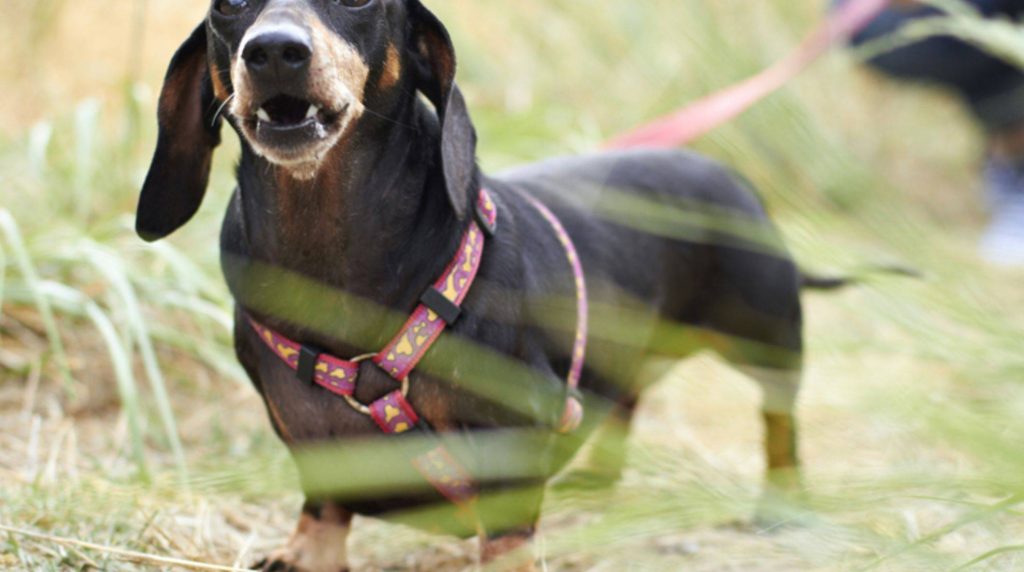
Barking is genuinely not the preferred way of communication of dogs. When a dog barks at a conspecific, he usually sees no other way to express himself. Much more important than the voice between dogs is the body language. Especially when walking on a leash, the four-legged friends are sometimes very limited in their possibilities because they can not move freely and sniff each other. Uncertainty, fear, and aggression are often the result, and then the only thing left for your furry friend to do is bark at you. He does not know what else to do.

Training tip: Give your dog security

Practice the encounter with his conspecifics with your dog – of course only in suitable, safe places. Such exercises not only make sense if you already have a barking problem but can prevent your dog from developing such behavior in the first place. If the animal is sovereign in dealing with conspecifics, barking happens much less often, even on the leash.

If your companion on four paws still feels the need to express his discomfort during the next walk loudly, you should remain calm in any case. This also means that scolding is not a solution. Your pet will then think you are also yapping and feel that this is the correct behavior. In addition, scolding offers no guidance for action. Bello then knows what not to do but has no idea what you want him to do instead and is all the more unsettled. So show alternative behaviors, such as calmly walking past the other dogs.

Training tip: Reward good behavior

In the short term, you may avoid encounters with conspecifics, but you need a solution that will change the dog’s behavior in a long time. Positive reinforcement is much more helpful than punishment in this regard and should always be done during the desired behavior, not after. One option is “feeding nicely,” which means giving a treat during the encounter with other dogs.

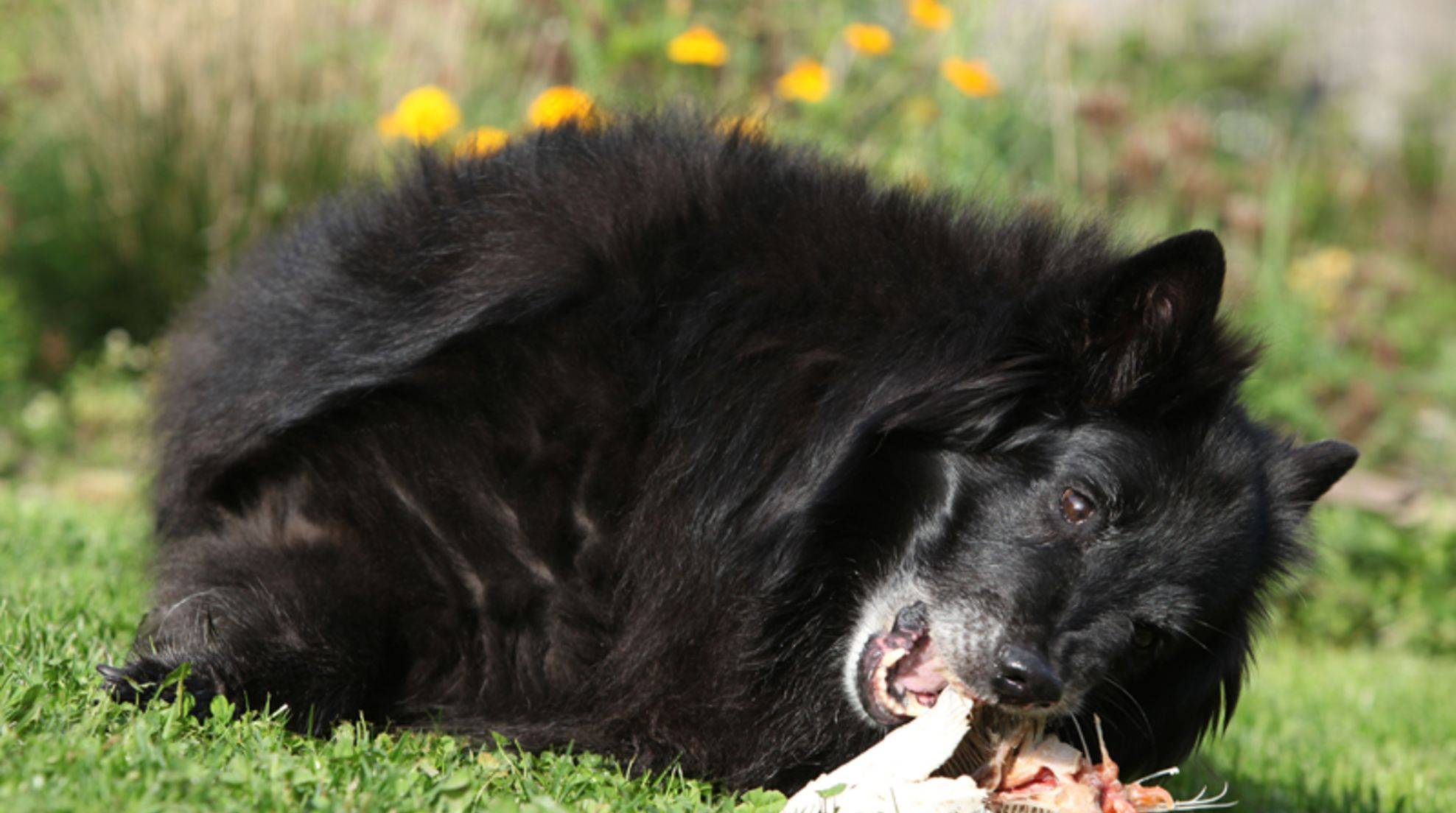
By eating, the barking is stopped in a tasty way. In this way, encounters with other dogs get a pleasant component, and your dog increasingly associates a nice feeling with such meetings. Food tubes or chewing sticks are particularly suitable for this, as chewing and sucking have an additional relaxing effect. The right timing is critical with rewards. Otherwise, you may reinforce the very behavior you want to get rid of.

HZOES.COM

HZOES.COM

Cute and funny, info and tips about dogs, cats and other animals. Great pictures and funny videos from the animal world. Your animals on hzoes.com

More articles from dog

Dog food: 5 ingredients that no dog needs
Dog Food

Dog food: 5 ingredients that no dog needs

Dog food: 5 ingredients that no dog needs Whether dog food contains good ingredients and is of high quality is not revealed by looking at …

Read More →
Diarrhea in dogs: possible causes and how to stop it
Dog Health

Diarrhea in dogs: possible causes and how to stop it

Diarrhea in dogs: possible causes and how to stop it Does your dog have diarrhea? Unfortunately, this is a fairly common symptom, but it is …

Read More →
Biotin for dogs: That is why it is important
Dog Food

Biotin for dogs: That is why it is important

Biotin for dogs: That is why it is important Dogs need biotin because it is involved in many metabolic and cell division processes in the …

Read More →
Doberman: character and features of the dog
Dog Buying

Doberman: character and features of the dog

Doberman: character and features of the dog The Doberman is a large, strong dog that has a loyal, lovable character – but it is also …

Read More →
Inflamed anal glands in dogs: symptoms, causes, treatment
Dog Health

Inflamed anal glands in dogs: symptoms, causes, treatment

Inflamed anal glands in dogs: symptoms, causes, treatment The anal glands in dogs secrete scent marks so that the dog can mark its territory. Unfortunately, …

Read More →
Companion and companion dogs such as the Maltese, Pug or Poodle, for example, are usually friendly, peaceful and people-oriented. Herding dogs, working dogs and working dogs such as the German Shepherd, the Bernese Mountain Dog or Australian Shepherd also enjoy working with people and are obedient and loyal if well trained. St. Bernards, Leonbergers and Newfoundlands are also stoically calm. Some hunting dog breeds, such as the friendly Beagle, the Labrador or Golden Retriever with their pronounced "will to please", are also good therapy dogs with proper socialization. Whether you choose a large, medium or small dog for animal-assisted therapy depends on its area of use. Larger dogs are more suitable for working with children and adolescents, while smaller four-legged friends are more suitable for the elderly, as they can sit on your lap or snuggle up in bed.
Dog Buying

Therapy dogs: Which four-legged friends are suitable? Unlike assistance dogs, therapy dogs are not specially trained for a single patient. Rather, together with their owner, …

Read More →
This site uses cookies

By continuing to use our site, you agree to our T & Cs and the use of our Cookies & amp;trackers as well as those of our partners in order to offer you content, services, personalized advertising and to generate statistics & amp; audience analysis.