Home

Dog harness: how to put it on correctly

Dog harness: how to put it on correctly

Dog harness: how to put it on correctly

Anyone who wants to put on a dog harness for their dog for the first time may be a little perplexed by their newly acquired collar alternative. Where does which tab belong, where do you close the buckle, and how do you know at the end whether the dog harness fits appropriately? We will explain it to you.

When buying a dog harness, it is essential to pay attention to the right fit no matter which model you choose. For this, they measure the neck and chest circumference of your dog. The latter is measured at the widest part of the dog’s chest, directly behind the elbow. You put the tape measure loosely and note the values to do this.

You can then buy a suitable dog harness at a pet store or online mail order.

Putting on a dog harness: This is how it works.

Take your time when you put a harness on your dog for the first time; he must first get used to it. Unfold it first and hold it in front of him. He can sniff it in peace. Then have your dog “sit” and sit behind him. If you try to put the harness on your dog from the front, he may get scared.

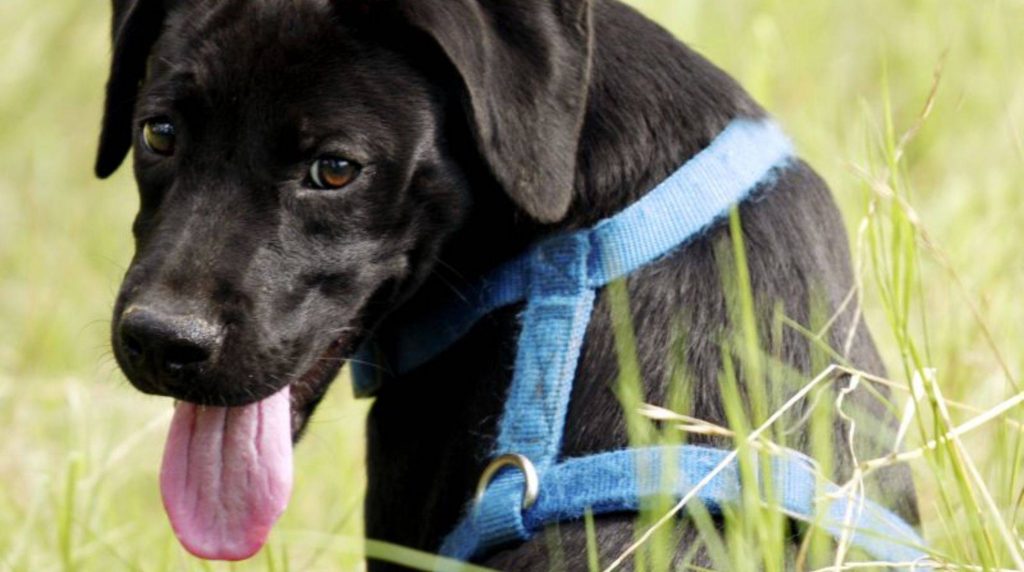
Some models have two tabs that are designed for the legs. First, lift the dog’s right front leg and put it through the right tab. Then it is the turn of the left front leg with the left account. Now you can put the harness on and close the buckle at the top of the back.

Some dog harnesses are also put on at the front of the chest. Pull this dog harness over the dog’s head and then put it over the back. You can close it with a buckle afterward. If your dog doesn’t like it when you pull something over his head, you can usually open the neck loop and tie it on like a collar.

Praise your dog when he is good about putting on the dog harness. You can also convince him with treats that this process will soon become a gladly completed routine for him.

Dog harness: Check the fit

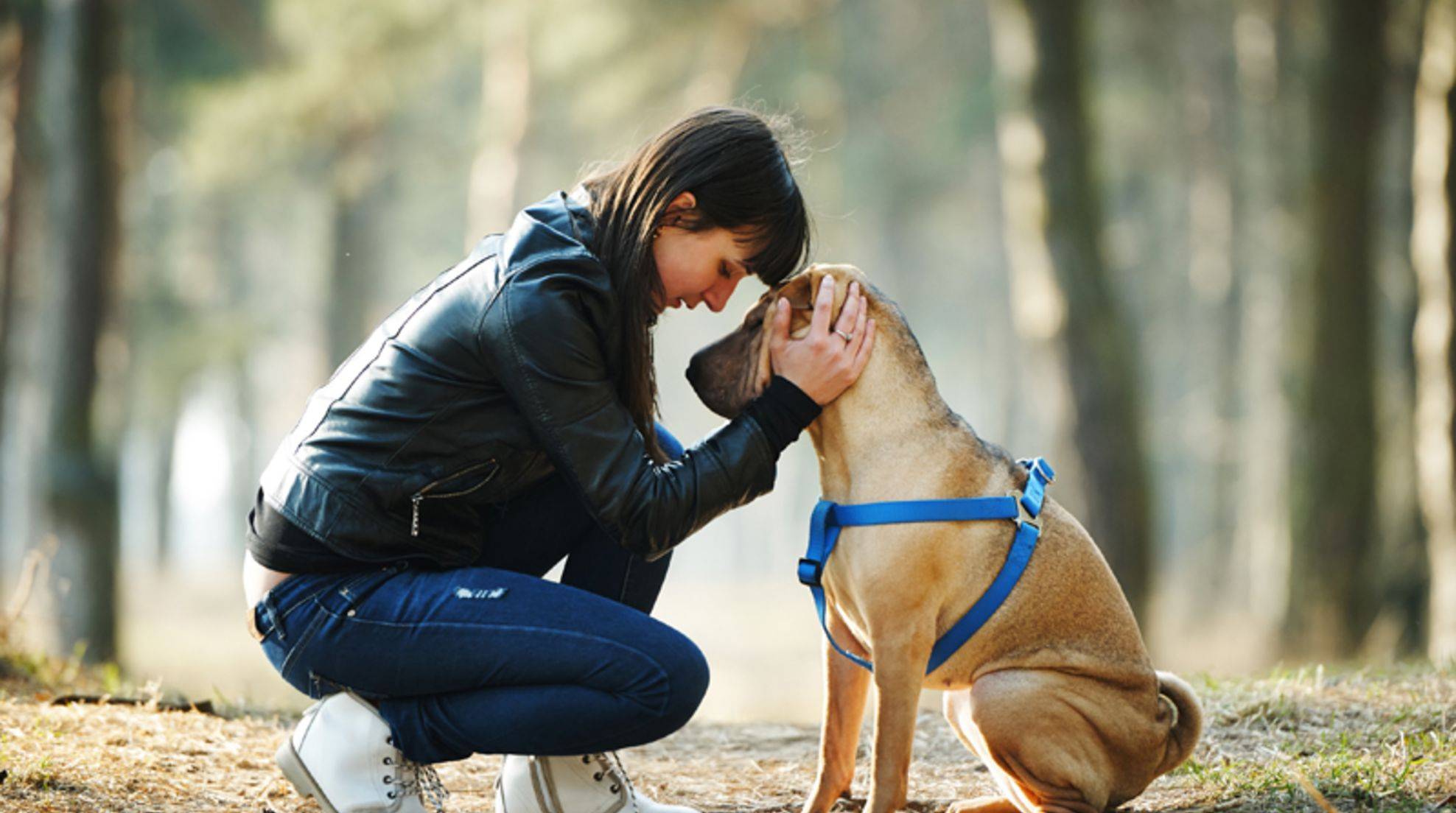
Usually, the dog harness is adjustable in size after putting it on. It should not be too tight, so your dog does not feel constricted. But it also shouldn’t be so loose that your dog can slip out while walking. If it includes a front ring on the chest harness, it mustn’t pressure the dog’s sternum. The ring should be above or below it.

The harness should also allow the animal enough legroom. For large dogs, it is best to have it about a hand’s width behind the elbow. A little less distance is OK for small ones, except that the harness should not sit directly in the armpits because it will chafe.

Now you can put the leash on, and the walk can begin. If you feel that your dog is uncomfortable while walking, you should check the fit of the dog harness again.

HZOES.COM

HZOES.COM

Cute and funny, info and tips about dogs, cats and other animals. Great pictures and funny videos from the animal world. Your animals on hzoes.com

More articles from dog

The dog is panting all the time: What does this mean?
Dog Health

The dog is panting all the time: What does this mean?

The dog is panting all the time: What does this mean? Is your dog constantly panting without prior effort and without the weather being hot? …

Read More →
Punish dog: tips for dog training
Dog Training

Punish dog: tips for dog training

Punish dog: tips for dog training If you want to punish your dog for showing unwanted behavior, you need to be careful when doing so. …

Read More →
Recognizing pregnancy in dogs: What are the signs?
Dog Health

Recognizing pregnancy in dogs: What are the signs?

Recognizing pregnancy in dogs: What are the signs? False pregnancy is manifested by abnormalities in the behavior and body of the bitch. Her hormones make …

Read More →
Border Terrier: the character of the small dog breed
Dog Keeping

Border Terrier: the character of the small dog breed

Border Terrier: the character of the small dog breed The Border Terrier may be built relatively small – but it belongs to the robust dog …

Read More →
Getting puppies used to a dog collar: Tips
Dog Training

Getting puppies used to a dog collar: Tips

Getting puppies used to a dog collar: Tips Getting a puppy used to a dog collar is essential for dog training. Some young animals already …

Read More →
Companion and companion dogs such as the Maltese, Pug or Poodle, for example, are usually friendly, peaceful and people-oriented. Herding dogs, working dogs and working dogs such as the German Shepherd, the Bernese Mountain Dog or Australian Shepherd also enjoy working with people and are obedient and loyal if well trained. St. Bernards, Leonbergers and Newfoundlands are also stoically calm. Some hunting dog breeds, such as the friendly Beagle, the Labrador or Golden Retriever with their pronounced "will to please", are also good therapy dogs with proper socialization. Whether you choose a large, medium or small dog for animal-assisted therapy depends on its area of use. Larger dogs are more suitable for working with children and adolescents, while smaller four-legged friends are more suitable for the elderly, as they can sit on your lap or snuggle up in bed.
Dog Buying

Therapy dogs: Which four-legged friends are suitable? Unlike assistance dogs, therapy dogs are not specially trained for a single patient. Rather, together with their owner, …

Read More →
This site uses cookies

By continuing to use our site, you agree to our T & Cs and the use of our Cookies & amp;trackers as well as those of our partners in order to offer you content, services, personalized advertising and to generate statistics & amp; audience analysis.