Home

Lactating bitch: special features of the diet

Lactating bitch: special features of the diet

Lactating bitch: special features of the diet

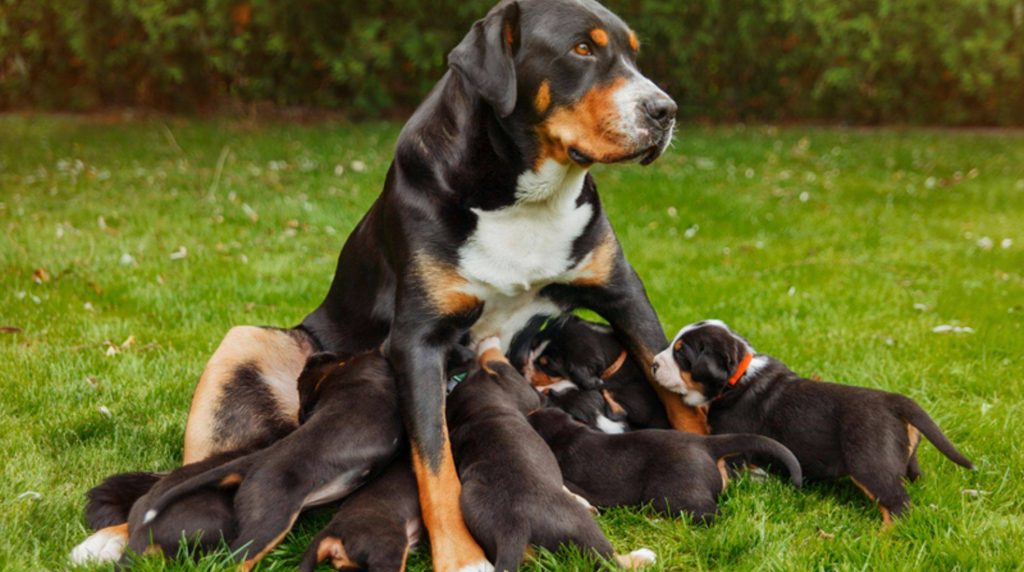
In the postpartum period, a lactating bitch is responsible not only for herself, but also for her offspring. Because she needs a lot of energy for this, you need to properly adjust the diet of the new mother.

A lactating bitch needs more nutrients than usual and even more than during pregnancy. After all, the young mother not only feeds herself, but also has to make milk for her puppies, which is very rich in proteins, calcium and energy. All this is very energy consuming. Therefore, the bitch’s energy needs can increase by up to 5,000 kilocalories per day. Since this value varies depending on the breed and size of the animal, you should discuss your bitch’s diet with a veterinarian.

A nursing bitch needs lots of energy

Basically, for a healthy diet, you should also rely on particularly high-quality dog food during the lactation period, so that the dog mama can take good care of her litter without being weakened herself. High-quality dog food usually has a high energy content, so that a nursing bitch does not necessarily have to eat much more of it to meet her increased needs. The new mother could not eat enough of normal food to meet her increased energy needs – if she does, you risk overfeeding her.

Nutrition with moderation

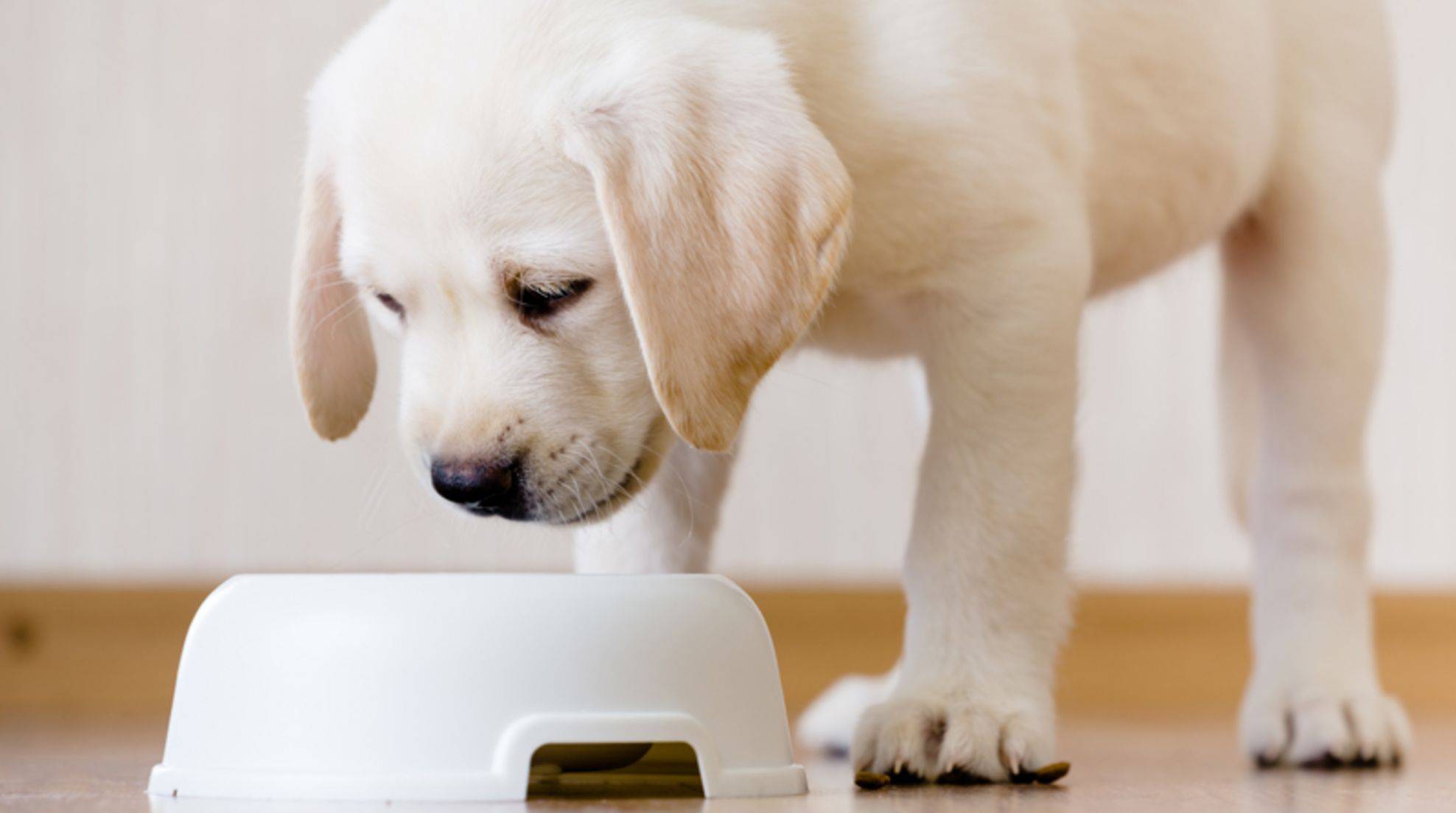
Dry food is almost always recommended for the nursing bitch – provided your four-legged friend tolerates it well. It should be one-third protein and almost as high in fat. It is best to leave food for the nursing bitch throughout the day so that she can help herself at any time. As a guide to proper nutrition, experts say the mama dog should not lose more than ten percent of her body weight while nursing. Once the puppies are weaned, the bitch should return to her normal weight within a month.

HZOES.COM

HZOES.COM

Cute and funny, info and tips about dogs, cats and other animals. Great pictures and funny videos from the animal world. Your animals on hzoes.com

More articles from dog

Dog clothing in winter: Useful or not?
Dog Keeping

Dog clothing in winter: Useful or not?

Dog clothing in winter: Useful or not? Necessary winter equipment or fashionable frippery? Dog clothing divides the community of dog lovers. Whether a warming coat …

Read More →
Grief among dogs: When animals miss their four-legged companion
Dog Keeping

Grief among dogs: When animals miss their four-legged companion

Grief among dogs: When animals miss their four-legged companion Do dogs also grieve? If your dog’s beloved companion dies, the animal’s grief for the other …

Read More →
Buy retro pug: Difference from other pugs?
Dog Buying

Buy retro pug: Difference from other pugs?

Buy retro pug: Difference from other pugs? The Retro Pug – like its cousin, the “classic” Pug – is a lovable, happy and somewhat stubborn …

Read More →
Why your dog stares at you when you defecate: 5 reasons
Dog Keeping

Why your dog stares at you when you defecate: 5 reasons

Why your dog stares at you when you defecate: 5 reasons You’re out and about with your dog; he finds a spot, gets into position …

Read More →
Buying a dog: Good preparation is important
Dog Buying

Buying a dog: Good preparation is important

Buying a dog: Good preparation is important Buying a dog is a great thing. But before the acquisition, you should thoroughly take care of the …

Read More →
Companion and companion dogs such as the Maltese, Pug or Poodle, for example, are usually friendly, peaceful and people-oriented. Herding dogs, working dogs and working dogs such as the German Shepherd, the Bernese Mountain Dog or Australian Shepherd also enjoy working with people and are obedient and loyal if well trained. St. Bernards, Leonbergers and Newfoundlands are also stoically calm. Some hunting dog breeds, such as the friendly Beagle, the Labrador or Golden Retriever with their pronounced "will to please", are also good therapy dogs with proper socialization. Whether you choose a large, medium or small dog for animal-assisted therapy depends on its area of use. Larger dogs are more suitable for working with children and adolescents, while smaller four-legged friends are more suitable for the elderly, as they can sit on your lap or snuggle up in bed.
Dog Buying

Therapy dogs: Which four-legged friends are suitable? Unlike assistance dogs, therapy dogs are not specially trained for a single patient. Rather, together with their owner, …

Read More →
This site uses cookies

By continuing to use our site, you agree to our T & Cs and the use of our Cookies & amp;trackers as well as those of our partners in order to offer you content, services, personalized advertising and to generate statistics & amp; audience analysis.