
Nutrition: Are dogs allowed to eat dairy products?
Dogs tolerate most dairy products quite well – especially if they are used to them from an early age. If this is not the case, you must approach slowly and carefully try out what your four-legged friend likes and does not harm his digestion. Here you can get tips on the correct feeding of dairy products.
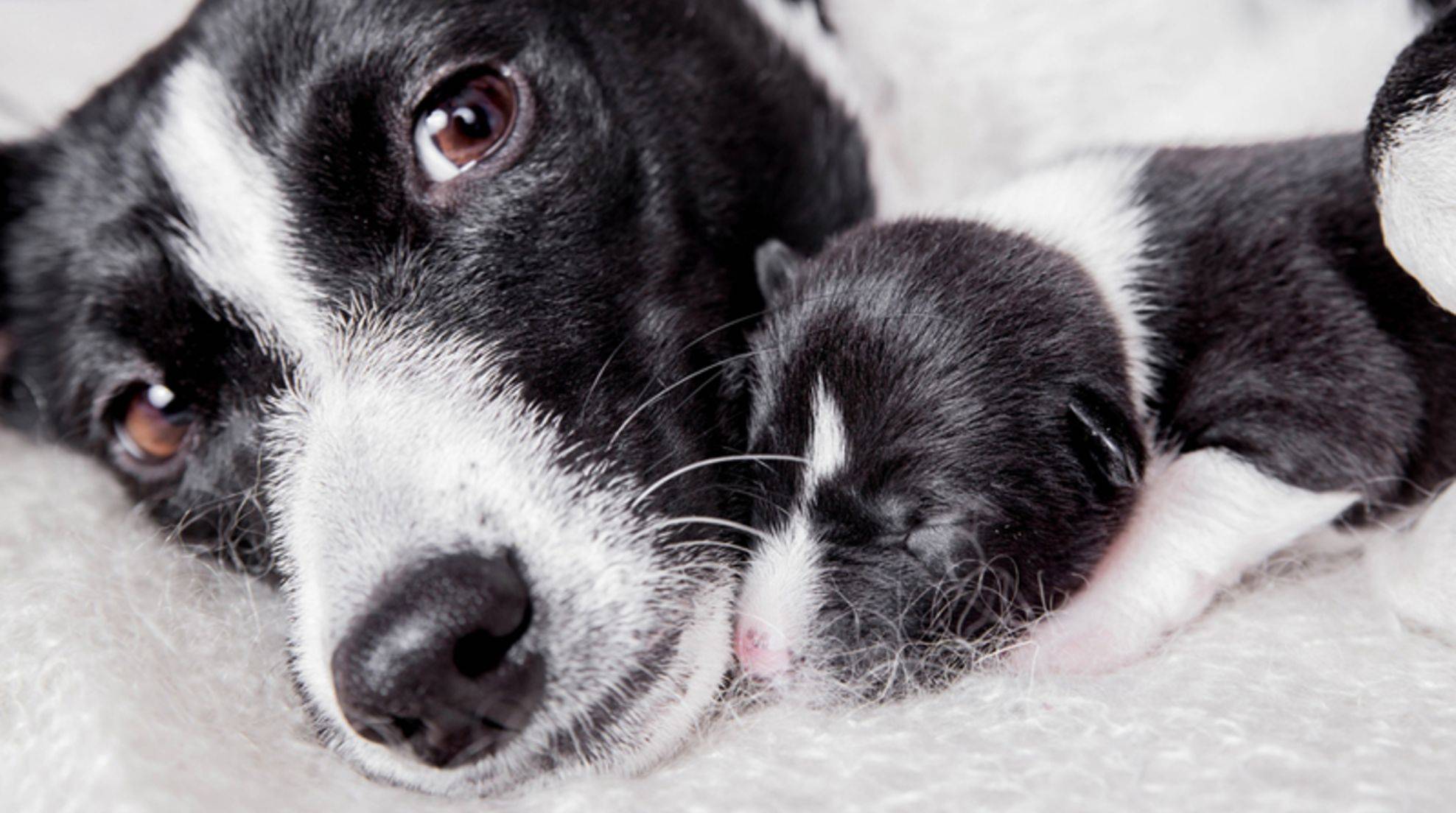
Adult dogs are often lactose intolerant and get diarrhea from too much milk sugar. This is especially the case if the four-legged friends have not eaten dairy products and milk since they were weaned from their mother as a young puppy and switched to solid food. Then their organism produces less lactase – a digestive enzyme that breaks down milk sugar (lactose) and makes it digestible.
Are dairy products harmful for dogs?
If the four-legged friend eats too much of food containing lactose at once, the digestive tract cannot keep up and the food is immediately excreted. However, since there are dairy products that contain hardly any lactose, they are also tolerable for dogs that are not used to them. Nevertheless, they should not make up more than five percent of the total food quantity, otherwise other nutrients important for the animal will be missed out.
Cottage cheese contains easily digestible protein
Cottage cheese is a good addition to a dog’s diet because its lactose content is very low and its fat content is also kept within limits. It is also rich in protein, which the dog can easily digest and process. That is why cottage cheese is often recommended as a component of a gentle diet for dogs, for example, if the four-legged friend has upset his stomach or suffers from other mild digestive problems.
Attention. If diarrhea, flatulence and/or constipation persist for more than two days, or if your pet seems listless and behaves strangely, take the precaution of visiting a veterinarian.
Can dogs drink buttermilk?
Buttermilk is the liquid left over when butter is made from cream. It is enriched with lactic acid bacteria and contains the valuable nutrients of milk, but hardly any fat. Lactic acid bacteria (probiotics) are said to have a positive effect on digestion. So buttermilk is definitely one of the dairy products that dogs may enjoy more often.
Curd cheese as a supplement to the dog’s diet
Similar to cottage cheese, quark is rich in proteins and contains hardly any lactose, but also lactic acid bacteria – which means that most dogs tolerate it very well. There are different fat levels in curd cheese.
If your pelt nose tends to be overweight, low-fat quark is the healthier choice. If you want to feed a dog that is too thin, the quark variant with a higher fat content is also possible. Because of its creamy consistency, quark is also a good ingredient for homemade dog cakes.
Yogurt is usually well tolerated
Yogurt is produced when additional probiotics are added to milk. This causes part of the milk to curdle, resulting in a thick mass. Depending on whether this dairy product is made with whole milk or skim milk, it has different fat levels, just like quark. Yogurt is also well tolerated by dogs and is eaten with pleasure by most four-legged friends.
Dogs should enjoy these dairy products with caution
Although dairy products are not toxic for dogs, there are some that are not well tolerated or contain too few important nutrients. Sour cream, sour cream and crème fraîche, for example, contain lactic acid bacteria, but are generally too high in fat for the four-legged friends. This is even more extreme in the case of butter – the fat content here is over 80 percent. Rather harmful dairy products like these are therefore best avoided.
Pure milk and sweet cream contain relatively high levels of lactose and can therefore cause diarrhea in dogs that are not used to it. However, if your pet suffers from mild constipation, you can give him some milk to loosen the accumulated feces in the colon. But again, if in doubt, better go to the vet.
And what about kefir and cheese?
Kefir is rich in B vitamins. It is produced when kefir mushrooms are placed in milk and remain there for twelve to 48 hours. The mushrooms convert the lactose into lactic acid and the milk is fermented. This results in the development of carbonic acid and a low alcohol content. Kefir is said to have all kinds of healthy effects, but should only be fed to dogs in small quantities because of the carbonic acid and the slight alcohol content. Cats, by the way, should not drink kefir at all, as even traces of alcohol can be toxic to them.
If you want to give your dog cheese as a small treat in between meals, this is possible, but most types of cheese are very salty and high in fat, and therefore unsuitable in larger quantities.
Conclusion: Are dairy products okay for dogs?
Basically, dogs do not need to supplement dairy products in their food. However, foods such as cottage cheese, quark, buttermilk or yogurt are certainly suitable for dogs as a source of calcium – provided the four-legged friend can also tolerate the lactose content.
If this is the case, these dairy products are ideal, for example, to enhance a BARF meal with nutrients. However, if vomiting or diarrhea occur after feeding, you should refrain from supplementing.
Other dairy products such as cream, cheese, sour cream, crème fraîche and kefir are not recommended because they are usually high in fat and usually contain a lot of lactose.