Yorkshire Terrier: Tips for education
When raising a Yorkshire Terrier, you should keep one thing in mind: you probably won’t have an easy time with this bit of stubborn dog. Despite its handy size, it is a dog that belongs in the hands of experienced dog owners.
As cute as the Yorkshire Terrier looks: His character is strong, and he needs an owner who can assert himself and show the little dog boundaries. Consistent work is the best recipe for avoiding future behavioral problems with the bit of whirlwind.
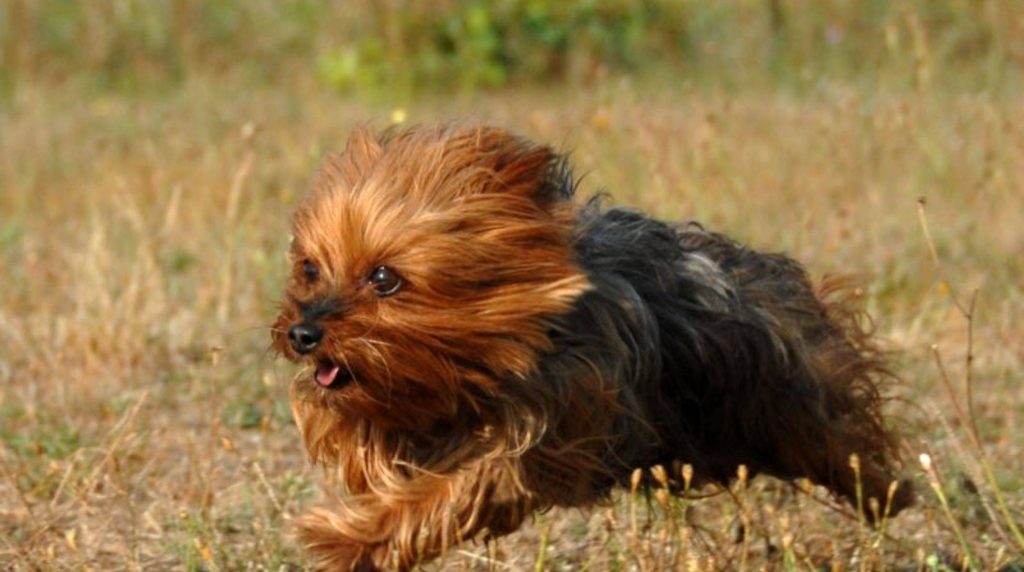
The Yorkshire Terrier: little guy, considerable courage
His self-confidence, courage, and protective instinct can make the Yorkie like to show off a little. If you let him get away with that, it can quickly mean that he provokes other dogs and starts trouble all the time.
Of course, this is not a good condition for a pleasant walk, so you should work on it with him from the beginning. Clear words like “fie,” “no,” or “down” will have the most significant effect if you say them firmly.
Do not let him get away with everything.
He must know very well that you are the boss and that he must listen to you instead of being spoiled and indulged too much. You should also not be too protective of him. The four-legged friend must learn to behave decently and respectfully towards other dogs and people. However, do not be too impatient with your Yorkie. Allow your little friend enough time to learn.
Yorkshire Terriers are prone to excessive barking: What to do?
The active and lively little guy is endowed with a fair amount of alertness. He likes to announce visitors by barking but can also comment on every noise in the stairwell with yapping. This could lead to problems, especially if the dog is kept in an apartment. To prevent him from getting into this habit in the first place, you should start practicing with your Yorkshire Terrier early and show him clearly and consistently which behavior is desired from him and which is not.
Getting Yorkshire Terrier used to people
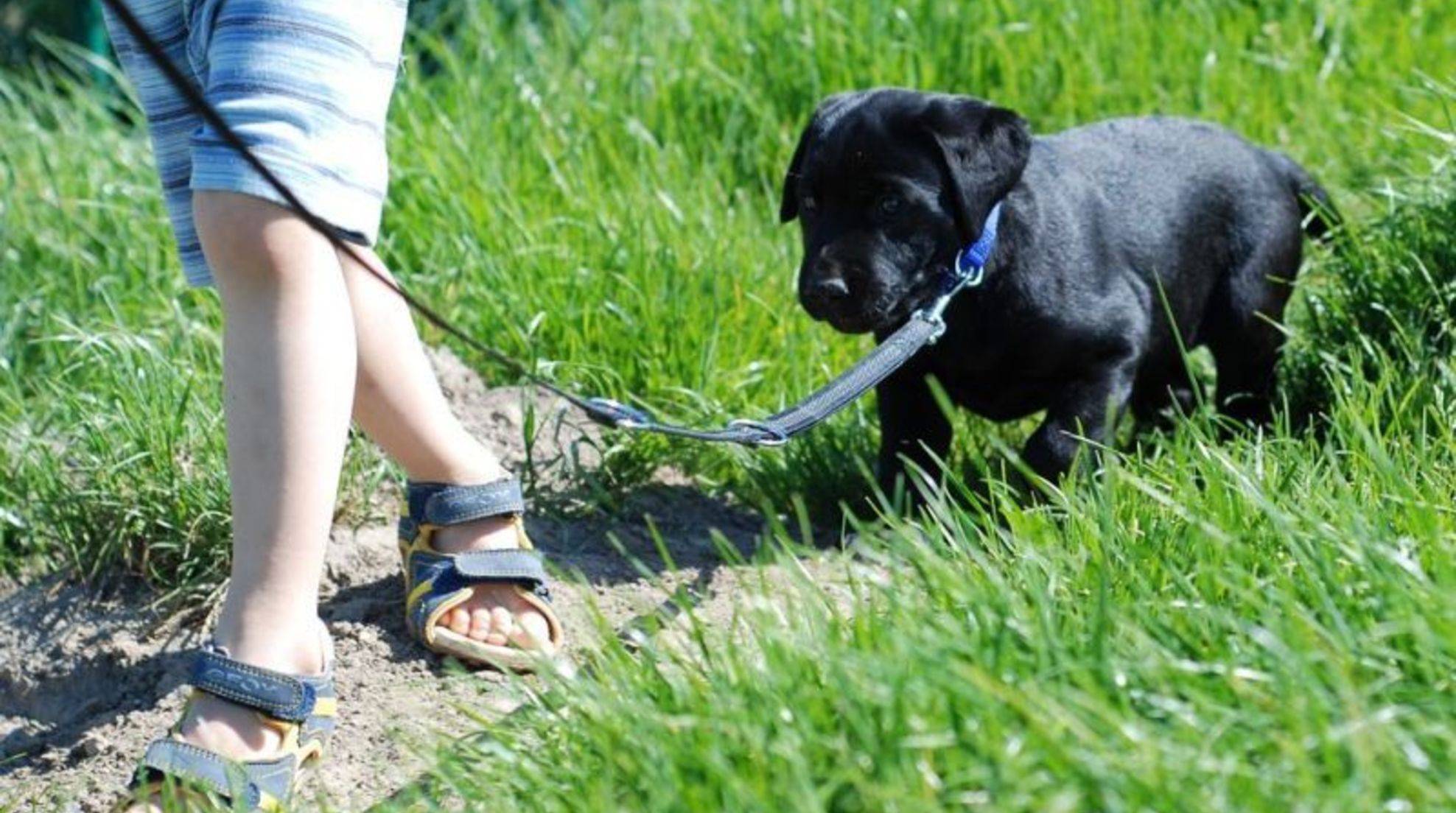
During his upbringing, make sure that your little friend is accustomed to people of all sizes at an early age and has good experiences with children. There, too, the Yorkshire Terrier tends to be a bit “bitchy”. If you are unsure, you should get a dog trainer to help you learn the ABCs of dog training with your pet. Visiting a dog school is also recommended, especially if you have decided to get a puppy. This way, on the one hand, the Yorkshire Terrier will learn how to deal with many strangers, but at the same time, it will be socialized in an environment with other dogs.
Leave Yorkshire Terrier alone at home.
Very few dogs like to be home alone, and the Yorkie is no exception. It would help if you only left a puppy unattended in exceptional circumstances – and not for more than two hours. A full-grown Yorkshire Terrier can stay alone a little longer, but you should rarely leave him alone for more than five hours. When you come home, grab the leash and take your four-legged friend for a long walk or play with him. In this way, the Yorkshire Terrier also associates being alone with something positive.