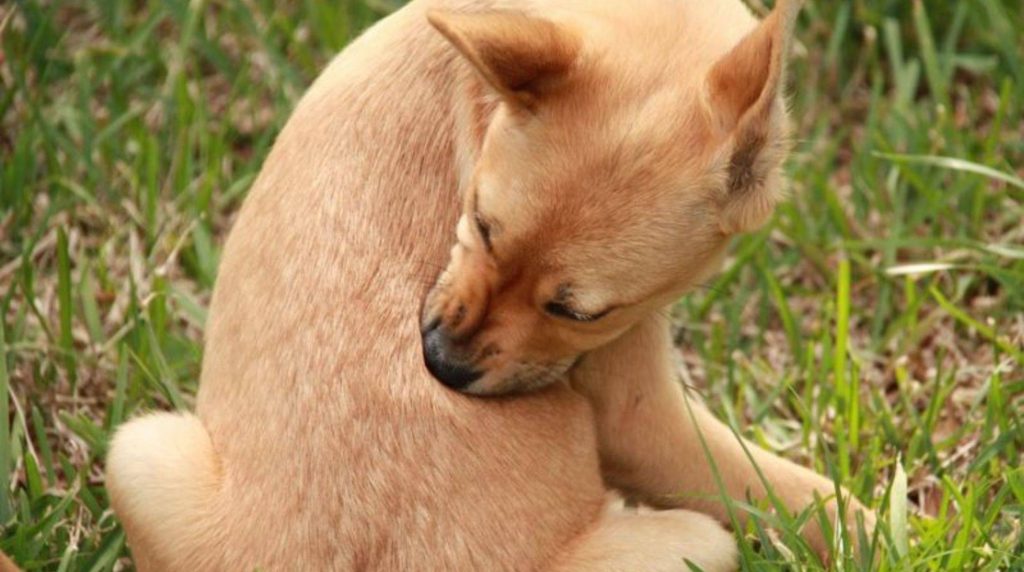
Fight fleas: tips against the parasites in dogs
Fighting fleas – that’s not so easy. The nasty little pests infest your dog with ease – getting rid of them again can then become a test of patience. Prevention, timely detection, and quick action are accordingly important. Here you will find tips on how to do this.
If your dog is scratching more often, he may have caught fleas. You may also notice that parasites have settled in the dog’s fur during regular grooming. Fleas are three to four millimeters in size and are easily visible to the human eye.
Fighting fleas: Recognizing parasites in the dog’s fur
A fine-toothed comb also helps to detect fleas in the dog’s fur. If you find black dots on your four-legged friend’s skin, do a test with white kitchen paper: dampen it slightly and rub the tiny drops. If they turn reddish-brown, it is the blood that the fleas have absorbed and excreted.
Other symptoms of flea infestation are the following indications:
● (dog scratches remarkably often and extensively).
● Skin rash with redness and blemishes (inner thigh and belly particularly affected).
● Scratches on the skin, possibly inflamed.
● Bald patches on the coat
● Later: severe hair loss and thickened skin.
In this case, quickly take your dog to the vet. He will prescribe preparations against flea infestation and explain how to apply them.
Please get rid of dog fleas: This is how it works.
In the case of a light flea infestation, treatment with a spot-on preparation is usually sufficient. There are also tablets that your dog takes and whose active ingredient kills the fleas. You should also use these products and flea collars to prevent fleas. If there are already a lot of pests in your dog’s fur, you can fight the fleas with a special spray or powder.
If that doesn’t help, you can bathe your dog and use a special anti-flea shampoo. But be sure to ask your vet for advice on how to apply and dose the product so that you get rid of the fleas, but do not harm your dog in the process.
Ridding your home of dog fleas: Proceed carefully.
Have you got the acute flea infestation of your four-legged friend under control? Then it would help if you now protected him from a new infestation. Fleas lay their eggs everywhere in the environment, so your animal companion can easily catch parasites again as soon as the fleas have hatched and the larvae are fully grown. Therefore, you need to wash all the textiles of the dog carefully. This includes his blanket, dog bed, stuffed animals, and dog clothes.
The washing temperature should be at least 60 degrees Celsius. If this is not possible, sprays and powders will help against the annoying beasts – your vet will also know advice on this. Ambient sprays are also the means of choice to get rid of the stubborn pests in the rest of the apartment. It’s best to spray every corner, even the smallest crevice, with it – the sofa, carpets, floor mats, pillows, and so on. Then the fleas won’t stand a chance.
Attention. Following the flea treatment, you should perform a worming therapy on your pet, as fleas can transmit tapeworms, for example. These can lead to significant damage to your dog’s health.