Home

Dog drinking from the toilet: Is it dangerous?

Dog drinking from the toilet: Is it dangerous?

Dog drinking from the toilet: Is it dangerous?

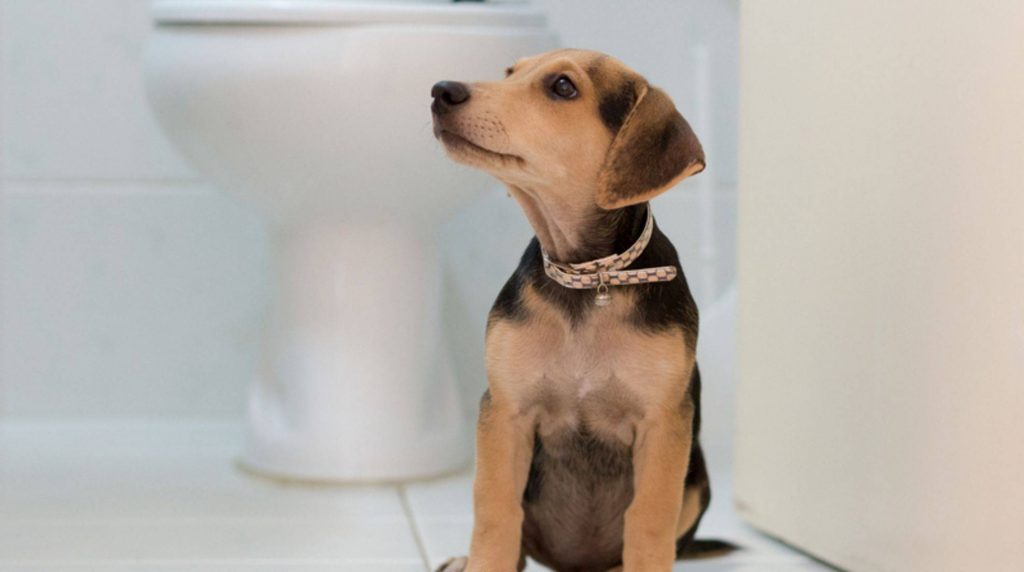
Quite disgusting: your dog drinks the water from the toilet. But the strange preference for the unique “eau de toilette” causes disgust and harbors concern. Is toilet water possibly dangerous for your animal companion? Find out here and how you can break him from his inappropriate behavior.

And again, you’ve caught your furry friend slurping from the toilet bowl. Your subsequent tirades have no effect at all. And your understanding of your four-legged friend’s preference for toilet water is non-existent. Why does he do it?

Why does the dog drink from the toilet?

For one thing, your dog associates the splashing of water when you flush the toilet with a natural outdoor water source. Consequently, the constantly circulating water in the bathroom seems fresher to your four-legged friend than the stagnant water in his drinking bowl.

On the other hand, the toilet water is pleasantly cool due to the porcelain fixture. Especially in the summer months, dogs appreciate the refreshing thirst quencher. The strange taste does not keep them from drinking. Instead, they are skilled at drinking and eating unsavory things. For example, dogs sometimes tend to eat feces.

Dog drinking from the toilet: dangerous or harmless?

As a rule, nothing will happen if your dog drinks from the toilet. However, there is a health risk associated with this habit because toilet water can contain dangerous bacteria such as Escherichia coli (E.coli), sometimes found in human (and animal) feces.

Furthermore, traces of medications find their way into the toilet water, which humans release through their excretions. Depending on the substance, your dog may be harmed by it.

However, the most significant risk from drinking the toilet water is the household chemical products used to clean the toilet. They often contain sodium hypochlorite and other chemical substances – pure poison for your animal friend. If your dog shows symptoms after drinking, such as…

● vomiting
● Increased salivation
● Redness in and around the mouth.
● abdominal pain
● sore throat

… you should immediately consult a veterinarian.

How can you get your dog out of the habit of drinking toilet water?
Permanently close the toilet lid and preferably also the bathroom door. Then your best animal friend will not even be tempted. In addition, you can make the water in the drinking bowl more appetizing by providing a fresh supply more often. A so-called drinking fountain for the dog is also conceivable. The water circulates likewise, whereby the impression of freshness is aroused.

HZOES.COM

HZOES.COM

Cute and funny, info and tips about dogs, cats and other animals. Great pictures and funny videos from the animal world. Your animals on hzoes.com

More articles from dog

Cooking dog food yourself: Delicious with rice
Dog Food

Cooking dog food yourself: Delicious with rice

Cooking dog food yourself: Delicious with rice If you cook dog food yourself, you should make sure that your dog gets a varied and balanced …

Read More →
Uncategorized

Reduce Equine Bone Fracture Recovery Time with OptiWize Collagen Plus

When your horse suffers a bone fracture, the road to recovery can be long and arduous. However, advancements in equine supplements have made it possible …

Read More →
Does the dog have a cold? Possible symptoms and treatment
Dog Health

Does the dog have a cold? Possible symptoms and treatment

Does the dog have a cold? Possible symptoms and treatment Animals can also catch a cold. Here you can find out how to recognize a …

Read More →
Make your own dog food: Recipes with chicken
Dog Food

Make your own dog food: Recipes with chicken

Make your own dog food: Recipes with chicken If you do not want to buy conventional food for your four-legged friend for health or financial …

Read More →
Care short hair coat: tips for a beautiful dog coat
Dog Keeping

Care short hair coat: tips for a beautiful dog coat

Care short hair coat: tips for a beautiful dog coat Shine and suppleness in the short coat of your dog do not come by themselves. …

Read More →
Companion and companion dogs such as the Maltese, Pug or Poodle, for example, are usually friendly, peaceful and people-oriented. Herding dogs, working dogs and working dogs such as the German Shepherd, the Bernese Mountain Dog or Australian Shepherd also enjoy working with people and are obedient and loyal if well trained. St. Bernards, Leonbergers and Newfoundlands are also stoically calm. Some hunting dog breeds, such as the friendly Beagle, the Labrador or Golden Retriever with their pronounced "will to please", are also good therapy dogs with proper socialization. Whether you choose a large, medium or small dog for animal-assisted therapy depends on its area of use. Larger dogs are more suitable for working with children and adolescents, while smaller four-legged friends are more suitable for the elderly, as they can sit on your lap or snuggle up in bed.
Dog Buying

Therapy dogs: Which four-legged friends are suitable? Unlike assistance dogs, therapy dogs are not specially trained for a single patient. Rather, together with their owner, …

Read More →
This site uses cookies

By continuing to use our site, you agree to our T & Cs and the use of our Cookies & amp;trackers as well as those of our partners in order to offer you content, services, personalized advertising and to generate statistics & amp; audience analysis.