Home

How to get a dog out of the habit of jumping?

How to get a dog out of the habit of jumping?

How to get a dog out of the habit of jumping?

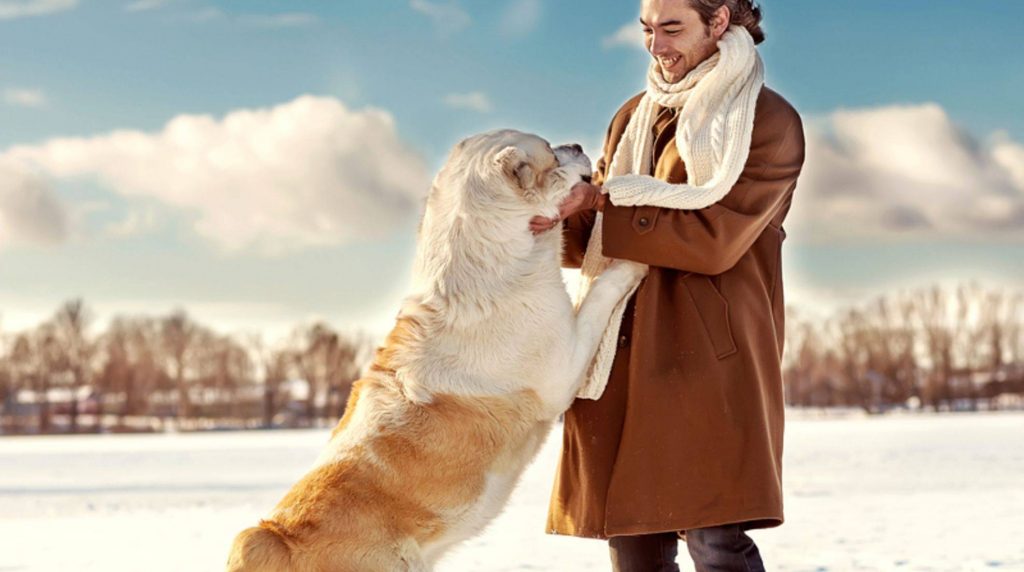
Jumping is usually meant as an enthusiastic hello from the dog’s side. But the other person is generally not happy to be greeted with muddy paws. So it’s better to quickly get your four-legged friend out of the habit of this behavior.

If your dog belongs to the quadrupeds who like to swing their paws in the air, one thing above all applies: Do not let this become a habit. Because the more often your dog celebrates his stormy welcome, the more difficult it will be to break him of this greeting again. So make him quickly aware that his behavior is not desired – after all, the four-legged friend can’t smell that.

Dog owners reward often jumping unconsciously.

Easier said than done. Dog owners often make a crucial mistake that makes it difficult to break the habit: they reward the four-legged friend’s behavior, albeit unconsciously. Perhaps the following scenario sounds familiar: After a long day at work, you look forward to your cheerful furry nose greeting you in its usual blustery manner. You disapprove of the behavior, but at the same time, you are amused by the affectionate jumping, and you respond with petting. Your positive reaction does not go unnoticed by your dog. He will not change his short greeting in the future. Consistency is essential to get your four-legged friend to stop jumping at you. Even if your partner on four paws still comes along so sugary sweet, show him the cold shoulder. This is the only way to break him of his behavior in the long term.

How to get rid of it? Ignore him

How do you do that? Quite simply: the moment your dog starts to jump, you should turn away. Stay in this position until your dog has put his paws back on the ground. And only then turn back to him and reward him. Show him that he has done the right thing. It certainly won’t take long for him to understand and for you to break him of the habit of jumping on you.

HZOES.COM

HZOES.COM

Cute and funny, info and tips about dogs, cats and other animals. Great pictures and funny videos from the animal world. Your animals on hzoes.com

More articles from dog

Heat in the bitch: course, signs, duration
Dog Keeping

Heat in the bitch: course, signs, duration

Heat in the bitch: course, signs, duration As soon as a bitch has reached sexual maturity, she is in heat. What this means precisely, which …

Read More →
You are removing dog hair: tips for your clothes and co.
Dog Keeping

You are removing dog hair: tips for your clothes and co.

You are removing dog hair: tips for your clothes and co. Almost every dog owner knows dog hair problems in the apartment or clothing. For …

Read More →
Dog puppies: adopt littermates, a good idea?
Dog Buying

Dog puppies: adopt littermates, a good idea?

Dog puppies: adopt littermates, a good idea? At first, it seems obvious to adopt two puppies at once. After all, littermates in particular have a …

Read More →
Dog stinks when wet: what could be the cause?
Dog Keeping

Dog stinks when wet: what could be the cause?

Dog stinks when wet: what could be the cause? Dog love also means going outside with the pelt nose in wind and weather. The dog …

Read More →
How old do dogs get? Interesting facts about life expectancy
Dog Health

How old do dogs get? Interesting facts about life expectancy

How old do dogs get? Interesting facts about life expectancy How old do dogs become? This is a question that concerns many dog owners. The …

Read More →
Companion and companion dogs such as the Maltese, Pug or Poodle, for example, are usually friendly, peaceful and people-oriented. Herding dogs, working dogs and working dogs such as the German Shepherd, the Bernese Mountain Dog or Australian Shepherd also enjoy working with people and are obedient and loyal if well trained. St. Bernards, Leonbergers and Newfoundlands are also stoically calm. Some hunting dog breeds, such as the friendly Beagle, the Labrador or Golden Retriever with their pronounced "will to please", are also good therapy dogs with proper socialization. Whether you choose a large, medium or small dog for animal-assisted therapy depends on its area of use. Larger dogs are more suitable for working with children and adolescents, while smaller four-legged friends are more suitable for the elderly, as they can sit on your lap or snuggle up in bed.
Dog Buying

Therapy dogs: Which four-legged friends are suitable? Unlike assistance dogs, therapy dogs are not specially trained for a single patient. Rather, together with their owner, …

Read More →
This site uses cookies

By continuing to use our site, you agree to our T & Cs and the use of our Cookies & amp;trackers as well as those of our partners in order to offer you content, services, personalized advertising and to generate statistics & amp; audience analysis.